


One question nearly every new puppy or kitten owner eventually asks is, “How will I know when I should panic and rush to the ER?”
The honest answer is that you don’t need to panic, but you do need to move quickly. Young animals have less physiological reserve than adults. Their immune systems are still developing, their blood sugar can drop within hours of missing a meal, and dehydration that might take two days to become dangerous in an adult dog can become critical in a puppy within a single afternoon. A kitten who seems slightly off in the morning can be genuinely unwell by evening.
Our team at Veterinary Emergency and Specialty Center of Northern Arizona provides world-class emergency and critical care for the youngest and most vulnerable patients in the region, with staff trained specifically in the unique challenges young animals present. Trauma and emergency services are available when something feels wrong and you need answers quickly. Contact us at 928-779-5522 any time a puppy or kitten shows signs that concern you.
Red-Flag Symptoms That Always Warrant Emergency Care
Is My Puppy or Kitten Having Trouble Breathing?
Respiratory distress is one of the most urgent emergencies in young animals. Respiratory emergencies progress quickly, and the window between early symptoms and critical compromise can be very short in small patients.
Watch for these signs of breathing distress:
- Open-mouth breathing in cats (which is never normal)
- Labored or rapid chest movement
- Audible wheezing or crackling sounds
- Extended neck posture as the pet tries to open their airway
- Pale or bluish gums
- Refusal to lie down
Causes range from infections and pneumonia to airway obstructions, heart abnormalities, and severe allergic reactions. Anaphylactic reactions from insect stings or an unknown trigger can develop within minutes and present with facial swelling, sudden collapse, vomiting, and difficulty breathing simultaneously. If a young pet is showing any signs of breathing difficulty or allergic reaction, keep them calm, avoid tight restraint which can worsen distress, and call ahead so our team can be ready when you arrive.
When Does Vomiting or Diarrhea Become an Emergency?
One episode of vomiting in a playful, alert puppy who ate too fast is probably not an emergency. Repeated vomiting or diarrhea within a few hours in a young animal is a different situation entirely.
The concern most owners of unvaccinated puppies need to know about is parvovirus, a highly contagious and potentially fatal viral disease that causes severe, often bloody diarrhea and rapid dehydration. It affects unvaccinated and incompletely vaccinated dogs and can spread through contaminated environments that seem perfectly clean to the naked eye. In Northern Arizona, where outdoor exposure is common and communal spaces like parks and trails are heavily used, the risk of environmental exposure is real.
Puppies and kittens explore the world with their mouths, and that means they’ll try to eat things they shouldn’t. Swallowed objects such as socks, string, or pieces of toys can cause a dangerous intestinal blockage with symptoms including repeated vomiting, belly pain, straining to defecate, or complete loss of appetite.
Parasites are another common cause, with roundworms, hookworms, giardia, and coccidia among the most frequent culprits. Young animals often acquire them from their mothers or their environment before showing obvious symptoms. Seeing worms in stool or vomit is not an emergency, but heavy parasite loads can cause severe diarrhea, dehydration, and anemia- which is urgent.
Warning signs that separate watchable GI upset from an emergency include:
- Lethargy or unusual quietness
- Dry or tacky gums, no interest in drinking
- Sunken eyes
- Blood in the stool
- Complete lack of appetite for more than half a day
- Vomiting undigested food soon after eating
If you are heading in, bring a fresh fecal sample for in-house testing. Vomiting and diarrhea can result in dehydration quickly, so take these signs seriously.
What Should I Do If My Puppy or Kitten Has a Seizure?
Seizures are frightening to witness. They may look like full-body convulsions with shaking and paddling of the legs, or they may be subtler, with a pet appearing to stare blankly, lose muscle tone, or vocalize without apparent cause. Managing seizures correctly in the moment means staying calm, moving furniture and sharp objects away from the pet, not attempting to hold them down or put anything in their mouth, and timing the episode.
In young pets, seizures can be caused by toxin ingestion, severe hypoglycemia, liver shunts that allow toxins to bypass filtration, viral infections, or structural neurological problems. A single brief seizure is frightening but not always an immediate life threat. A seizure lasting more than two to three minutes, or multiple seizures within a short window, is an emergency. Contact us immediately after any seizure event in a puppy or kitten regardless of how quickly it resolved, because the underlying cause needs to be identified.
How Serious Are Falls, Bites, or Accident Injuries?
Young pets are active, clumsy, and often unaware of their own fragility. Falls from furniture, rough play with other animals, accidentally being shut in a door, and vehicle accidents all carry injury risks that deserve prompt evaluation even when the initial presentation looks mild.
- Fractures present with limping, swelling, or a visible change in limb position. Young bone is more flexible than adult bone, which means some fractures are incomplete and appear less dramatic than expected, but they still require appropriate care.
- Bite wounds require special attention because a small puncture on the surface often masks significant tissue damage underneath. A bite wound from another dog can penetrate deep into muscle and create conditions for serious infection even when the skin appears minimally affected. If your pet was picked up and shaken by a larger dog, treat this as a critical emergency.
- Blunt trauma of any kind needs to be investigated. Even if your pet seems fine after being hit by a car, shut in a door, or falling from a height, internal injuries are still a high risk. Lung injuries and internal bleeding in the chest or abdomen can happen slowly, making symptoms hard to pick up until it’s a critical emergency.
Assess gum color, check for abnormal breathing, and limit movement if a spinal injury or internal trauma is suspected while you arrange care. Our team provides wound care, fracture stabilization, and imaging for traumatic incidents.
What Do I Do If My Pet Ate Something Toxic?
Young pets will taste-test everything. Common household toxins that are particularly dangerous include human over-the-counter medications, xylitol in sugar-free products, chocolate, grapes and raisins, cleaning products, and certain toxic plants. Symptoms of poisoning include vomiting, excessive drooling, tremors, sudden collapse, and bleeding.
If you suspect your pet ingested something toxic, contact poison control immediately and bring the original packaging to the clinic if you can. Do not attempt to induce vomiting without veterinary guidance, as this can worsen outcomes with some substances. Pet-proofing your home before your new pet arrives is the most effective way to prevent these emergencies entirely.
When Is Sudden Weakness or Collapse an Emergency?
If a young pet becomes wobbly, seems unusually heavy-limbed, loses coordination, or collapses, treat it as an emergency. Hypoglycemia is a particular risk in toy breed puppies and young kittens who have missed meals or been stressed, and can produce weakness, trembling, disorientation, and in severe cases loss of consciousness. If the pet is alert and able to swallow, rubbing a small amount of honey or corn syrup on the gums while transporting to the hospital can provide temporary glucose support. Never place anything in the mouth of an unconscious animal.
Other causes of sudden collapse include heavy parasite burdens causing blood loss, heart problems that are congenital and present early in life, severe infections, and shock. Our in-house diagnostics allow rapid assessment of blood glucose and organ function to identify the cause and start treatment.
What Do Eye Injuries Look Like in Puppies and Kittens?
Young pets are close to the ground and often in situations where eyes get scratched by grass, poked during rough play, or contacted by a sibling’s claw. Signs of eye pain or infection include squinting or holding the eye shut, cloudiness or visible changes to the cornea, excessive tearing, swelling around the eye, and discharge that was not there before. A pet who paws repeatedly at one eye is trying to tell you something.
Early treatment protects vision. An e-collar, if available, prevents the pet from making the injury worse while you prepare to come in. Our team can perform urgent evaluation and treatment for eye injuries including corneal injuries and infections that require prompt attention.
What if My Pet Chewed on an Electric Cord?
Electrical cord injuries occur when a puppy or kitten bites through a cord plugged into a wall or battery. Electrocution can cause mouth burns, pulmonary edema (fluid in the lungs), and dangerous heart rhythm disturbances. Even a pet who appears to recover immediately should be evaluated, as pulmonary complications can develop hours later from an electric shock.
What Are the Signs of Heat Stroke in Young Pets?
Puppies and kittens will play in the Arizona sun until their bodies give out, because they simply do not know when to stop. Brachycephalic breeds like Pugs and Bulldogs are at even higher risk, since their shortened airways make panting far less effective at cooling them down. Watch for:
- Heavy, rapid panting or labored breathing
- Excessive drooling or thick, sticky saliva
- Stumbling, disorientation, or sudden weakness
- Pale or bright red gums, or loss of consciousness
Heat stroke can escalate from mild overheating to organ failure in minutes, so if you notice any of these signs, move your pet to a cool space immediately and apply cool (not ice cold) water to their paws, neck, and belly. Do not wait to see if they recover on their own: come in immediately so we can assess their temperature and begin treatment.
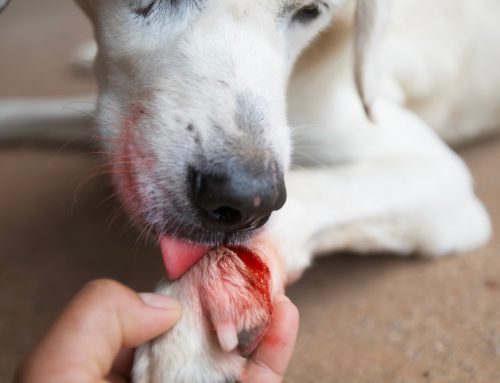
What Should I Do If My Puppy or Kitten Is Bleeding?
A broken toenail or minor scrape can look alarming, especially on a tiny pet, but these are not emergencies. Apply gentle pressure, keep your pet calm, and the bleeding will typically stop on its own within a few minutes and you can see your regular vet if needed.
What does warrant an immediate visit is a cut longer than about an inch, any wound that gapes open, or bleeding that does not slow with consistent pressure after a few minutes. The same goes for blood where it does not belong: nosebleeds that won’t quit, blood in vomit, or blood in the stool are all signs that something more serious may be happening internally. Watch for:
- A wound that is deep, gaping, or won’t stop bleeding after 3 to 5 minutes of firm pressure
- Nosebleeds that persist or occur without a clear cause like a bump or scratch
- Blood in vomit, which may appear red or look like dark coffee grounds
- Blood in stool, whether bright red or dark and tarry
Bleeding emergencies in young pets can become serious quickly because small bodies have less reserve. Taking a first aid class as a new pet owner is worthwhile so you know how to apply pressure correctly and keep your pet stable on the way to us. When in doubt, come in: it is always better to have a wound assessed and go home reassured than to wait and wish you had not.
Pet Insurance: Why Enrollment Is Easiest When Pets Are Young
Emergency veterinary care can be expensive, and cost should not determine whether a pet receives what they need. Pet insurance works most effectively when enrolled before a pet develops any conditions, which is exactly why the beginning of a pet’s life is the ideal time to set it up. Most policies cover accidents and illnesses, and the best time to get insurance is right after your pet’s first visit to the vet for vaccines- when they are healthy. We also offer financing through Scratch Pay to help pet owners handle the costs of emergency care. Contact us with questions about emergency care costs. The best time to prepare is before an emergency.
Trust Your Instincts and Move Quickly
Puppies and kittens cannot wait out problems the way adult pets sometimes can. The signs that should prompt immediate action include breathing difficulty, repeated vomiting or diarrhea, seizures, collapse, suspected toxin ingestion, eye injuries, and significant trauma- but if you aren’t sure, just reach out. We’re here to help and can guide you through understanding if what your puppy or kitten is experiencing is an emergency.
Our team brings world-class emergency medicine to every patient. Call 928-779-5522 or contact us any time a young pet’s symptoms concern you. That call is always the right first step.





Leave A Comment