

When Scooting Signals Something Serious: Understanding Anal Sac Removal Surgery
Does the sound of your dog scraping their rear end across your living room rug make you cringe? Do you find yourself constantly worried about why your cat is licking their backside more than usual? If your pet is struggling with persistent irritation in that sensitive area, those small scent glands near the anus, known as anal sacs, could be causing major discomfort. And the smell is unmistakable- especially when it’s on your furniture or rug. When common treatments fail to relieve the chronic pain and inflammation caused by infections, impactions, or tumors, you may be left wondering what options remain. While the idea of anal sac removal surgery might feel daunting, for many pets facing recurrent, stubborn issues, it offers a necessary and permanent solution for lasting relief.
At the Veterinary Emergency and Specialty Center of Northern Arizona (VESCONA), we understand that chronic anal gland issues can deeply affect your pet’s comfort- and your peace of mind. Our expert surgical team uses advanced imaging, precise anesthesia protocols, and compassionate aftercare to ensure every patient receives the highest level of support. From emergency infections to tumor removal, we’re here to help your pet find relief and healing.
Understanding Anal Gland Concerns in Pets
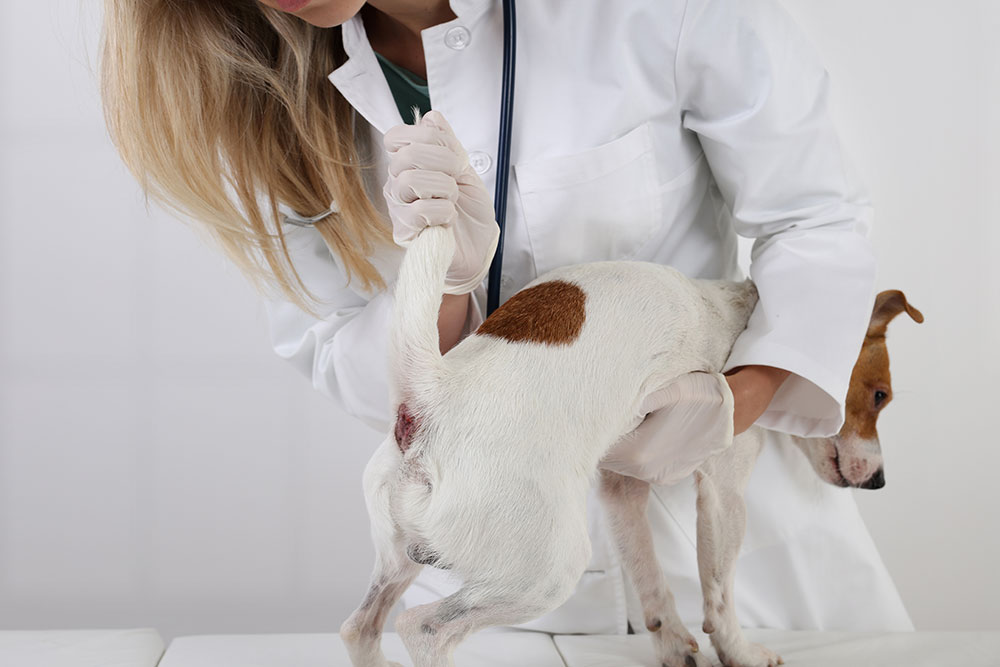
Scooting, licking, or sudden discomfort near the tail may seem minor at first, but these are common signs of deeper anal gland problems. Anal sacs are small glands located on either side of your pet’s anus that release a distinct scent for marking territory and communication. When functioning properly, they empty during defecation. However, if the openings become blocked or the glands do not empty completely, the material inside can build up and become painful or infected.
Routine expressing anal glands during grooming or vet visits can prevent impactions for many dogs with problematic glands, but persistent issues often require closer examination. Improper expression by untrained people can also cause scarring and inflammation leading to long-term issues.
Cats may also experience discomfort, though their signs tend to be subtler- excessive grooming, crying when defecating, or hiding. Because anal gland issues can worsen quickly, prompt veterinary attention is critical.
Left untreated, infections can spread to surrounding tissue, forming abscesses that may rupture and cause significant pain, bleeding, or scarring. Our team performs thorough exams to identify the cause and determine whether medical management or surgical intervention is needed. We combine hands-on assessment with imaging and cytology to rule out tumors or other underlying diseases that could mimic anal sac infections.
Common Anal Sac Problems and Their Underlying Causes
Anal gland concerns range from simple impaction to more complex anal sac diseases. Common causes include:
- Impaction – When the gland’s fluid thickens and cannot empty, leading to swelling, pain and rupture.
- Infection or abscesses – Bacteria can invade impacted sacs, creating painful swelling or rupture.
- Chronic inflammation – Often related to allergies or dietary sensitivities that increase irritation.
- Tumors – Growths within or around the glands can lead to obstruction or bleeding.
- Diarrhea – Firm stool is needed to express the gland during normal defecation
Addressing nutrition can also play a major role in preventing recurrence. Proper nutrition and dermatitis management helps improve skin and gland health. Fiber-rich diets support smoother bowel movements that naturally express the glands, while omega fatty acids and adequate hydration can soothe underlying inflammation. For some breeds- particularly small dogs like Chihuahuas, Poodles, and Cocker Spaniels- genetic predisposition makes routine monitoring especially important.
Diagnosing Anal Sac Issues
Accurate diagnosis ensures the right treatment plan from the start. In addition to a hands-on examination, our specialists may perform tests such as cytology or biopsy to differentiate infections, abscesses, or tumors. In some cases, a sample of gland material is examined under a microscope to identify bacteria or cancerous cells.
At VESCONA, our advanced imaging capabilities- including Northern Arizona’s only CT scanner- help us detect deeper infections, ruptures, and tumors that may not be visible externally. Our diagnostic services and rapid turnaround time allow us to make timely decisions about treatment, minimizing your pet’s discomfort and risk of complications.
When Anal Sac Removal Surgery Becomes Necessary
While most cases respond well to expression, flushing, or antibiotics, some pets experience recurrent inflammation or structural damage that makes healing impossible without surgery. Anal sacculectomy (removal of one or both sacs) is typically recommended for:
- Chronic or recurring infections that resist medical treatment
- Abscesses or ruptured glands causing repeated pain
- Suspicious masses or confirmed anal sac adenocarcinoma
- Severe tissue damage from scarring or rupture
Our surgical team uses precise techniques to protect nearby nerves and muscles, ensuring your pet’s comfort and long-term continence. By removing diseased tissue, we can eliminate the source of pain and significantly improve quality of life. For tumor-related cases, surgery may be combined with advanced oncology treatments to reduce recurrence risk and extend survival time.
If your pet has experienced trauma or swelling near the rectum, our team provides immediate stabilization and evaluation to determine whether surgery is required.
The Surgical Procedure and Recovery
Anal sac removal surgery is performed under full anesthesia. The surgeon carefully excises the affected gland(s), taking care to avoid damage to surrounding tissues. After surgery, pets receive tailored pain control, antibiotics, and stool-softening medications to promote comfort and healing. Because of the sensitive location, precise surgical technique and attentive aftercare are key to minimizing complications.
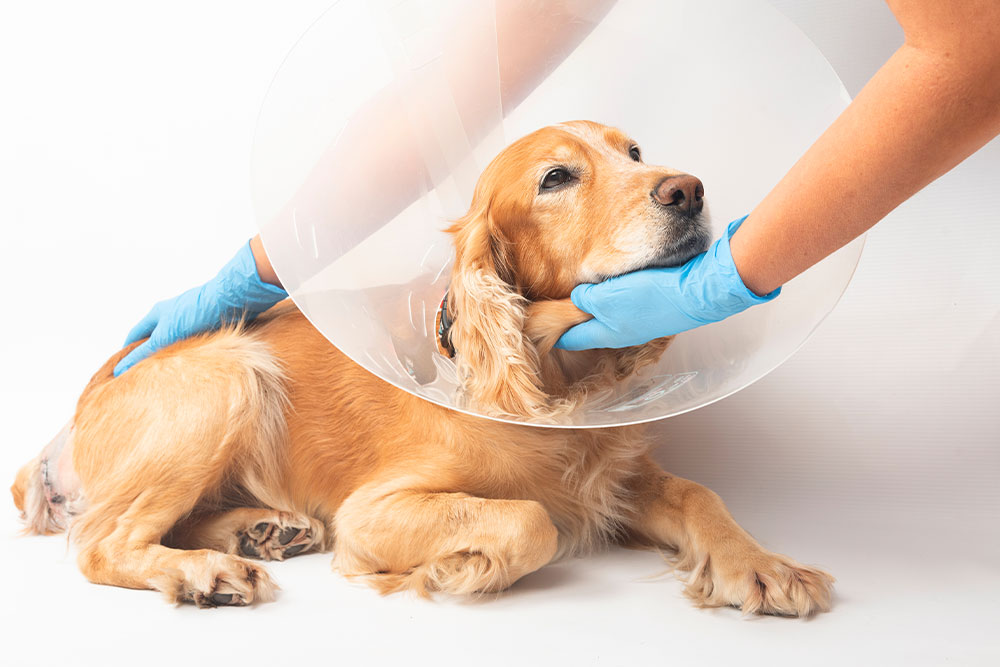
Owners should expect mild swelling or redness at the incision site during the first few days. Most pets resume normal activity within 10–14 days, though complete recovery may take several weeks. Preventing licking is essential- an Elizabethan collar or protective garment helps avoid complications. During follow-up visits, our team monitors incision healing and ensures bowel movements are comfortable and normal.
If you notice bleeding, discharge, or difficulty defecating after surgery, contact our team immediately. We’re here to guide you through post-operative concerns.
Supporting Anal Gland Health and Preventing Recurrence
Even after successful surgery, long-term prevention for other pets in the household is important. Regular pet grooming helps detect swelling early, while high-fiber diets and adequate hydration encourage natural gland expression. Exercise and maintaining a healthy weight also improve circulation and digestive function, reducing gland pressure and buildup.
Feeding a balanced diet and choosing pet food that supports digestion and skin health can reduce inflammation. Monitoring stool consistency and watching for diarrhea can also help identify early issues that may affect gland function. Routine vet checkups allow early detection of subtle changes- especially in older pets more prone to anal sac disease.
Our emergency team guides pet owners on nutrition, allergy control, and hygiene routines customized to their pet’s needs, helping avoid future complications.
Restoring Comfort and Quality of Life
Anal sac removal isn’t a routine procedure, but for pets living with chronic pain or tumors, it can be life-changing. The surgery not only relieves discomfort but prevents infections from recurring and restores comfort during sitting, walking, and playing. Many pet owners notice their pets become more active and happier once the constant irritation is gone.
At the Veterinary Emergency and Specialty Center of Northern Arizona, our compassionate team works tirelessly to ensure each patient receives world-class surgical care and personalized follow-up. From diagnosis through recovery, we treat every pet as if they were our own- because we know how much they mean to you.
If your pet is scooting, licking, or showing signs of persistent discomfort, contact us to schedule a consultation. At VESCONA, we believe that when your pet is family, nothing less than the best will do- and we’re here to help them heal with comfort, dignity, and compassion.

Leave A Comment