

Enlarged Lymph Nodes in Pets: Causes, Warning Signs, and When to Head to the ER
You Found a Lump on Your Pet: When Is a Swollen Lymph Node Worth Worrying About?
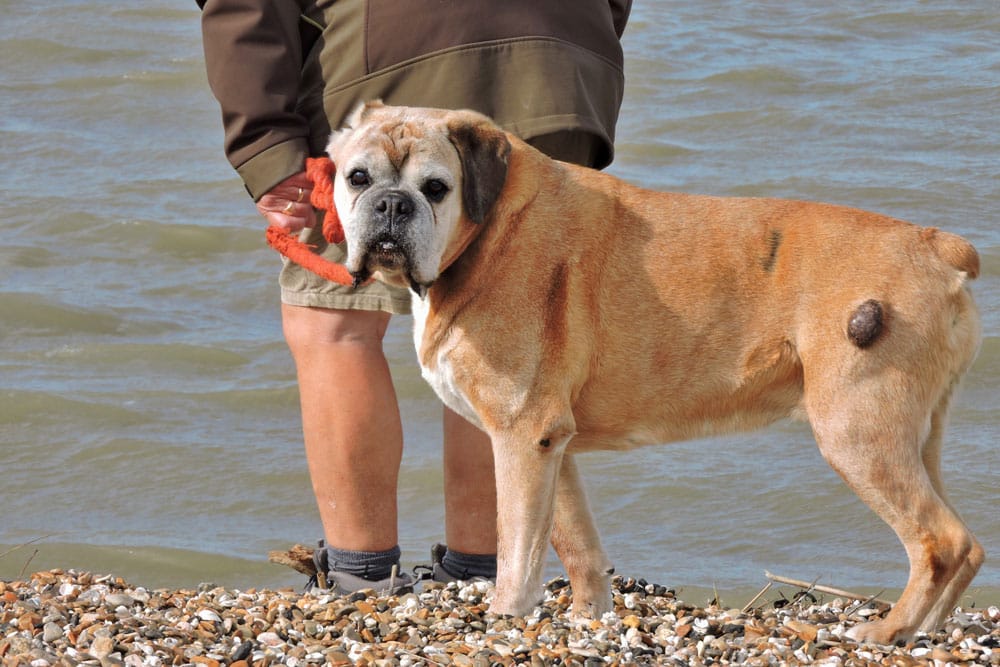
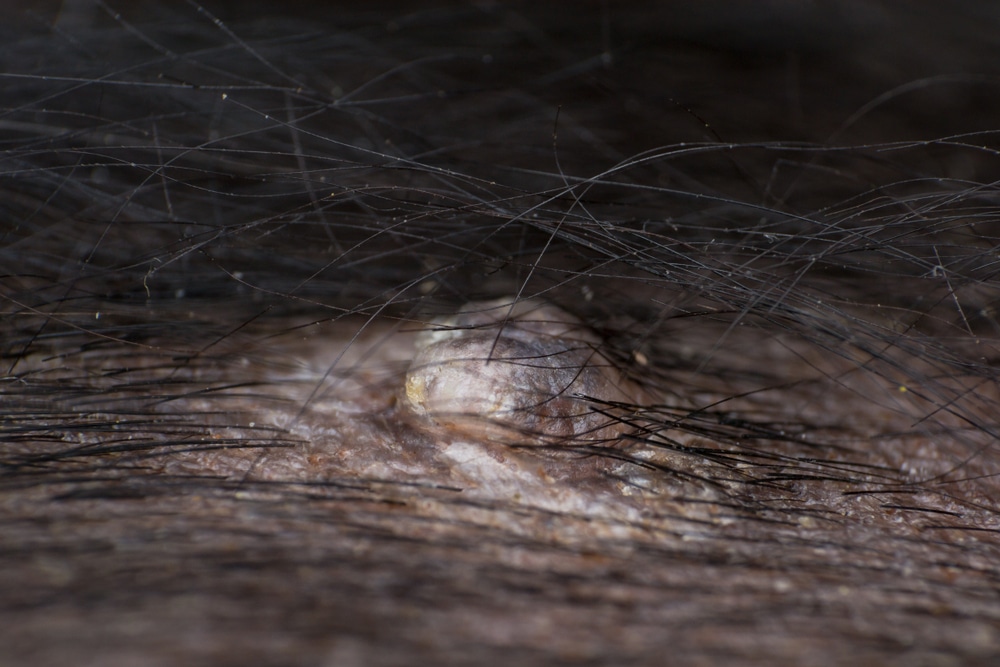
It tends to happen during a quiet moment. You’re scratching your dog behind the ears or running your hands along your cat’s neck, and you feel something unexpected. A firm, rounded swelling under the jaw or in front of the shoulders stops you cold. Your stomach drops. And then comes the question that nobody wants to sit with for long: do we need to go in right now, or can this wait?
Here is the honest answer: enlarged lymph nodes, clinically called lymphadenopathy, can mean anything from a local infection to lymphoma, and you cannot tell which you are dealing with by feel alone. What you can know is this: the window between discovery and evaluation matters. Some causes progress quickly, and some treatment options narrow as time passes. At the Veterinary Emergency and Specialty Center of Northern Arizona, we provide specialist-level diagnostics and internal medicine expertise for exactly these situations, with the capability to move from initial concern to comprehensive workup without the delays that come from limited resources. Contact the VESCONA team when something doesn’t feel right.
What Are Lymph Nodes and What Do They Actually Do?
Lymph nodes are small structures roughly the size of jelly beans, distributed throughout the body as part of the lymphatic system. Their job is to filter lymph fluid, a clear fluid that flows through tissue collecting cellular waste, proteins, and anything the immune system needs to assess, and to produce immune cells that respond to infection, inflammation, or abnormal cell activity.
Think of lymph nodes as regional monitoring stations. Each one receives lymph fluid from a specific area of the body, and when that area is dealing with an infection, inflammation, or an abnormal growth, the corresponding node enlarges as it responds. Understanding where lymph nodes are located helps owners recognize what changes are worth acting on. In dogs, the nodes most accessible during normal handling include the mandibular nodes under the jaw, the prescapular nodes in front of each shoulder, the axillary nodes in the armpit, the inguinal nodes in the groin, and the popliteal nodes behind the knee.
Whether one node is affected, a regional group, or nodes throughout the body tells us a great deal before any testing even begins.
What Causes Lymph Nodes to Enlarge?
Lymphadenopathy is a clinical sign, not a diagnosis. It indicates that the immune system is responding to something, and the investigation that follows determines which category of cause applies. That category determines everything about urgency, treatment, and prognosis.
Infections and Inflammatory Conditions: The Most Treatable Causes
Bacterial, viral, fungal, and parasitic infections are among the most common drivers of lymph node enlargement, and they are also the most likely to resolve with appropriate treatment. Localized infections produce regional responses: a dental abscess near the jaw commonly causes the mandibular lymph nodes to enlarge, while an infected wound on a limb may cause the nearest regional node to respond. These can look alarming but often resolve once the underlying source is treated.
Systemic infections cause more generalized patterns, affecting multiple lymph node groups at once, and these tend to carry more urgency.
- Lyme disease can cause lymph node enlargement alongside joint pain, fever, and lethargy, and certain tick-borne illnesses can progress to affect clotting, organ function, and neurological health if not caught promptly.
- Leptospirosis, spread through contaminated water and soil, can escalate to acute kidney or liver failure, which is a genuine emergency. Given the trail access and outdoor recreation that define life for many Northern Arizona pet owners, these are not abstract risks.
- Fungal disease is especially relevant here in the Southwest. Valley fever, caused by Coccidioides fungus found in Arizona soil, is a significant regional cause of lymph node enlargement in dogs who spend time outdoors. It can spread to bones, eyes, and the central nervous system if untreated, and dogs who are actively deteriorating from disseminated Valley fever need urgent care, not a wait-and-see approach.
When multiple lymph node groups are enlarged simultaneously alongside respiratory signs, unexplained weight loss, or vomiting and diarrhea, that combination should move up your timeline.
Cancer as a Cause: What Owners Need to Know Without Panicking
Cancer is a real and common cause of lymph node enlargement, and it deserves a straight conversation. The types of cancer in pets that affect lymph nodes include primary lymphoid cancers and metastatic spread from tumors elsewhere in the body.
Lymphoma is the most common lymph node cancer in both dogs and cats. Canine lymphoma most commonly presents as symmetrical, painless, firm enlargement of multiple lymph node groups throughout the body. The nodes often feel notably different from infection-related swelling: harder, rubbery, and significantly larger. Understanding lymphoma also means recognizing that it can progress from what looks like manageable swelling to significant systemic illness in a relatively short window. Early staging directly affects how many treatment options remain available.
Feline lymphoma tends to present differently than in dogs, with the alimentary form affecting the GI tract being more common than the multicentric form. Small-cell lymphoma in cats often progresses slowly and responds well to treatment, but that favorable picture depends on getting a diagnosis before the disease advances. A cancer diagnosis is not a reason to give up before evaluation. Many patients achieve meaningful remission, and the earlier the workup begins, the more options the conversation includes.
Less Common Causes Worth Knowing
Lymphedema, where lymphatic vessels fail to drain fluid adequately, can cause regional swelling and may involve lymph nodes. It can be congenital or develop secondary to injury or obstruction. Immune-mediated conditions, where the body attacks its own tissues, can also cause lymph node enlargement as part of broader systemic inflammation, and these can deteriorate quickly in some cases.
Vaccine reactions and drug hypersensitivity occasionally produce transient, localized lymphadenopathy that resolves with supportive care. Our team can assess whether a recent exposure may be contributing to what you are seeing, and whether that reaction itself warrants urgent attention.
When Does a Swollen Lymph Node Become an Emergency?
Not every enlarged lymph node requires an immediate middle-of-the-night visit, but some situations absolutely do. Come in urgently if your pet has lymph node swelling alongside any of the following:
- Difficulty breathing or labored respiration, which can indicate lymphoma pressing on the chest cavity or trachea
- Sudden severe lethargy or collapse
- Rapidly growing swelling, especially in the throat area, that could affect swallowing or breathing
- High fever with rapid deterioration in overall condition
- Pale or white gums
- Jaundice, significant vomiting, or signs consistent with organ failure
- Any neurological changes, such as wobbling, seizures, or disorientation
Even without those acute signs, a newly discovered node that has appeared suddenly or has grown noticeably over days, rather than weeks, warrants prompt evaluation rather than monitoring at home. Some forms of lymphoma move faster than owners expect, and some infections that start looking manageable can escalate. We are here around the clock all weekend, and if something feels wrong, that instinct is worth trusting.
How Is the Cause of Lymph Node Enlargement Diagnosed?
The diagnostic process begins with a thorough physical examination. We assess each accessible lymph node for size, shape, texture, whether it is painful when touched, whether it moves freely or appears fixed to surrounding tissue, and whether the pattern of enlargement is localized or generalized. These physical characteristics alone narrow the list of probable causes considerably.
Concurrent signs matter equally. Fever, weight loss, lethargy, changes in appetite, gastrointestinal symptoms, skin lesions, oral disease, and the presence of any recent wounds all help build an accurate picture. A pet with a single enlarged node under the jaw, a visible dental abscess, and no other symptoms tells a very different story than one with multiple firm, painless nodes throughout the body alongside weight loss.
When Is a Sample Needed, and What Kind?
Fine-needle aspiration, commonly called FNA, is typically the first sampling step. A small needle is inserted into the node and cells are collected for microscopic evaluation. It is quick, minimally invasive, requires no sedation in most cooperative patients, and provides meaningful diagnostic information in a high proportion of cases. The cytology versus biopsy decision depends on what the initial sample shows and what additional characterization is needed.
When cytology results are equivocal, a core needle or surgical biopsy provides more detailed tissue architecture. For suspected lymphoma, flow cytometry and immunophenotyping identify whether abnormal cells are B-cells or T-cells, which directly affects prognosis and treatment protocol selection. PCR for antigen receptor rearrangement, known as PARR testing, can confirm lymphoma in samples where cytology alone is not definitive.
Staging tests complete the picture when cancer is confirmed or strongly suspected: bloodwork and urinalysis to assess organ function, thoracic radiographs and abdominal ultrasound to evaluate other sites of involvement, and in some cases bone marrow evaluation. Our advanced imaging capabilities, including CT, support comprehensive staging that influences treatment decisions from the start.
What Are the Treatment Options?
Treatment follows the diagnosis, and the range is substantial.
Infectious and inflammatory causes are addressed with targeted therapy: antibiotics for bacterial infections, antifungal medication for Valley fever and other fungal diseases, tick-borne disease protocols, and wound or dental management for locally-driven lymphadenopathy. Most of these carry a good-to-excellent prognosis with appropriate and timely treatment, and delays in starting therapy can allow some infections to spread or worsen.
For lymphoma, multi-agent chemotherapy protocols are the most effective approach for achieving remission. The CHOP protocol is standard for high-grade canine lymphoma and achieves remission in a meaningful proportion of patients, with many families gaining a year or more of good-quality time. Cats with small-cell lymphoma often respond to a gentler oral protocol and can maintain remission for two or more years in many cases. Remission is not a cure, but it is real time, and it starts with getting a diagnosis.
For families who cannot pursue aggressive treatment, palliative options including prednisone alone can extend comfort and quality of life. Hospice-oriented care is a valid and compassionate choice, and we support families through that path with the same thoroughness as curative-intent treatment.
Monitoring and Staying Ahead of Changes
For pets undergoing treatment, regularly scheduled rechecks allow us to assess response, catch early signs of relapse, and adjust protocols as needed. Bloodwork during chemotherapy monitors organ function and cell counts. Imaging rechecks confirm that nodes are responding as expected.
For pets whose enlarged nodes resolved with antibiotic or antifungal treatment, periodic rechecks confirm the underlying infection has truly cleared.
Owners also play a meaningful monitoring role at home. Learning which nodes were affected and checking them during routine handling creates an early-warning system. Any node that seemed to have resolved and is enlarging again, or any new swelling that wasn’t previously notable, should prompt a call rather than a wait.
Frequently Asked Questions About Enlarged Lymph Nodes in Pets
If the swollen node is only in one place, does that mean it’s probably not serious? Not necessarily. A single enlarged node is often associated with a localized infection or inflammatory source nearby, such as a dental abscess or skin wound, which is usually very treatable. That said, early lymphoma can sometimes present with one node group more prominent than others. A veterinary evaluation is the right call regardless of how many nodes are involved.
How long can I wait before having a lymph node checked? A node that has been enlarged for more than a week without an obvious explanation, any node that is enlarging rapidly, or lymphadenopathy accompanied by weight loss, fever, or significant lethargy should be evaluated promptly rather than monitored at home. If your pet is also showing any of the emergency signs listed above, come in immediately rather than waiting for a routine appointment.
Does finding lymphoma mean my pet has very little time? Not necessarily. Canine lymphoma treated with combination chemotherapy achieves remission in many patients, with a significant proportion living a year or more. Feline small-cell lymphoma is often manageable for two or more years. Individual prognosis depends on the type, stage, and overall health, which is exactly why a thorough specialist evaluation shapes realistic expectations and the best possible plan from the start.
We’ll Help Find the Answers
Finding an enlarged lymph node is the beginning of a process, not a verdict. Many causes are straightforward and resolve with targeted treatment. Even a serious diagnosis like lymphoma, reached through a clear and timely workup, puts a family in a far better position than remaining uncertain: there is a plan, a realistic picture of what comes next, and a team standing with them.
The VESCONA team brings the diagnostics, specialist expertise, and education-centered approach that helps families feel informed rather than simply handed instructions. When something doesn’t feel right, acting sooner preserves more options than waiting ever does. Contact VESCONA to schedule an evaluation or talk through a finding that has you concerned. The right next step is always to find out.

Leave A Comment