

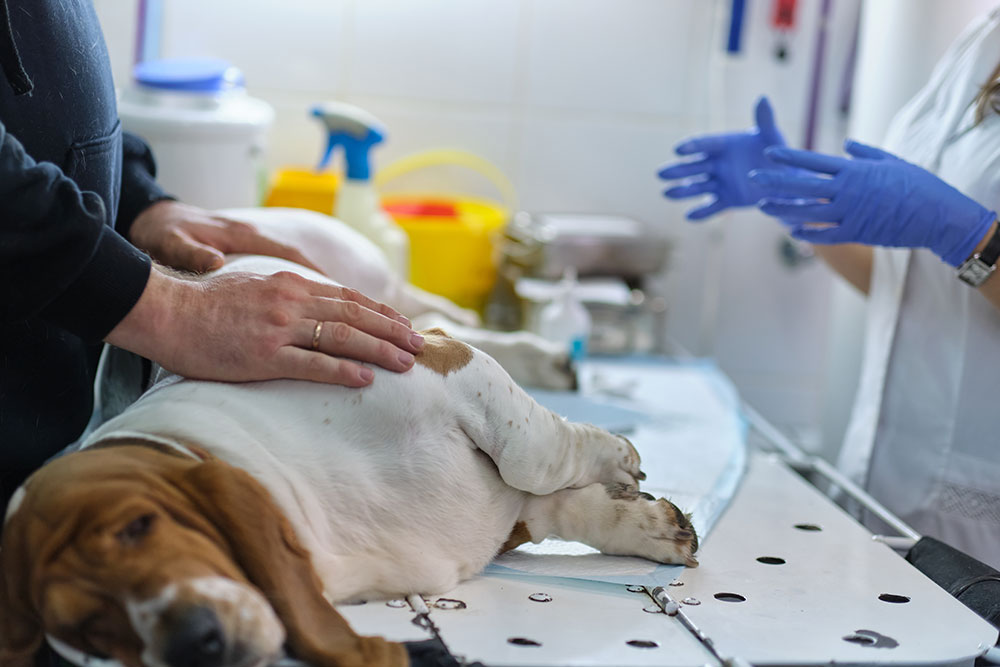
Pyometra: The Life-Threatening Uterine Infection Every Pet Owner Should Know About
One day your dog or cat seems perfectly fine, and the next they are lethargic, running a fever, or maybe you notice a strange discharge. Has this happened to you? When your pet suddenly seems unwell, it can be scary, and figuring out what is wrong is crucial. If your female dog or cat is not spayed, there is one medical emergency you must be aware of: pyometra. This dangerous uterine infection can quickly become fatal, sometimes within days. Knowing the signs and understanding the risk is essential for immediate life-saving treatment.
At the Veterinary Emergency and Specialty Center of Northern Arizona (VESCONA), our emergency and surgical teams have treated countless pyometra cases with skill, compassion, and urgency. We combine advanced imaging, surgical precision, and around-the-clock monitoring to give every patient the best chance for recovery.
What Is Pyometra and Why It Happens
Pyometra is a serious bacterial infection of the uterus that affects unspayed female pets. After a heat cycle, hormonal changes can cause the uterine lining to thicken, creating an ideal environment for bacteria to grow. Once infection develops, pus accumulates inside the uterus, leading to severe illness.
In open pyometra, discharge may be visible; in closed pyometra, the uterus fills internally, making it even more dangerous.
This condition requires immediate medical care- there is no safe “wait and see” period. If left untreated, toxins can spread rapidly through the bloodstream. Our emergency surgery team is equipped to stabilize and treat pets facing this life-threatening infection with expert surgical care and continuous post-operative support.
Early diagnosis and treatment can mean the difference between a straightforward surgical recovery and a devastating outcome.
Which Pets Are at Risk
Pyometra most commonly affects middle-aged to older unspayed female dogs, though younger pets can also develop it after just a few heat cycles. Hormonal exposure over time increases risk. Even cats- especially those that cycle frequently- can develop pyometra, though their symptoms are often more subtle. Any intact female can be affected. Pets that have received repeated hormone injections to prevent heat cycles are more vulnerable.
In rare cases, stump pyometra can occur in previously spayed pets if a small amount of uterine tissue remains. Because symptoms mimic other illnesses, many cases are diagnosed only after careful imaging and bloodwork. At VESCONA, our internal medicine experts and surgeons collaborate to confirm the diagnosis quickly and prepare for immediate intervention.
Recognizing the Early Symptoms of Pyometra
Early detection saves lives, but symptoms can be deceptive. Owners might first notice that their pet seems tired or refuses meals. Lethargy, vomiting, fever, or increased thirst are often the earliest signs, but vaginal discharge, panting, or abdominal swelling may also appear. Signs may also appear similar to urinary tract infections. Cats may simply hide or groom excessively without obvious discharge.
Some pets may show only mild signs in the early stages, but their condition can deteriorate rapidly as the infection spreads. Weakness, shaking, and dehydration are critical red flags. If your pet seems “off” after a recent heat cycle or shows any combination of these symptoms, treat it as an emergency.
Our team provides same-day evaluation, bloodwork, and imaging to confirm the cause and begin treatment immediately. Even if your pet improves temporarily, infection can still be advancing internally- never delay care if you suspect pyometra.
Why Pyometra Is a True Emergency
This is one of the most time-sensitive conditions in veterinary medicine. Once infection takes hold, the uterus can rupture, spreading pus into the abdomen and causing septic shock and kidney damage. These time-sensitive pet emergencies progress rapidly and are almost always fatal without surgery.
When you arrive at our hospital, your pet’s vital signs are assessed immediately. Intravenous fluids, antibiotics, and oxygen support are started as our emergency and surgical teams prepare for stabilization and surgery. Because pyometra can strain the kidneys and heart, pre-anesthetic stabilization is critical for safety.
We recommend calling ahead so our triage team can prepare for your pet’s arrival. Our trained technicians and doctors work seamlessly together to ensure every second counts toward saving your pet’s life.
How Pyometra Is Diagnosed
Diagnosing pyometra involves blood tests, imaging, and sometimes urine analysis to assess infection severity and organ function. The importance of blood work cannot be overstated- it helps evaluate dehydration, white blood cell counts, and kidney status before anesthesia.
At VESCONA, our in-house laboratory and advanced diagnostics provide rapid imaging results, including using Northern Arizona’s only CT scanner. This allows our veterinarians to visualize the uterus, rule out other causes of illness, and make surgical plans without delay. Abdominal ultrasound is often used to confirm fluid accumulation and determine whether the cervix is open or closed, helping guide surgical preparation and postoperative monitoring.
Emergency Surgery: The Definitive Treatment
The only cure for pyometra is surgical removal of the infected uterus and ovaries through an emergency ovariohysterectomy. While this procedure is similar to a standard spay, it is significantly more complex due to infection, fragile tissue, and the pet’s unstable condition. Our surgical specialists perform these delicate operations with precision, supported by advanced anesthesia monitoring and critical care teams.
During surgery, pets receive intravenous fluids, antibiotics, and pain management. Afterward, they are closely monitored to ensure safe recovery and stable organ function. Intensive care support may include oxygen therapy, warming blankets, and cardiac monitoring. Our emergency hospital is equipped for overnight observation and oxygen therapy if needed.
The majority of pets recover well after timely surgery, but early presentation dramatically improves outcomes. The longer infection persists, the higher the chance of complications.
The Dangers of Delaying Surgery
Every hour matters when treating pyometra. Delaying surgery allows toxins to circulate and may result in uterine rupture, septic shock, and multiple organ failure. Once these complications develop, the prognosis worsens dramatically.
Even with aggressive care, pets with ruptured uteri face prolonged recovery and a higher risk of systemic infection. Acting immediately not only improves survival rates but also reduces hospitalization time and long-term organ damage.
If your pet is showing signs of distress or discharge, contact our emergency team immediately for triage and instructions on safe transport. We can provide guidance on stabilizing your pet during travel to minimize stress and improve survival chances.

Prevention: Spaying Saves Lives
The best way to prevent pyometra entirely is by spaying your pet. Spaying removes the uterus and ovaries, eliminating hormonal cycles that predispose pets to infection and dramatically reducing the risk of mammary cancer.
For unspayed pets, we recommend regular wellness exams to discuss safe timing for surgery and monitor for early warning signs. Even in older pets, elective spaying can still offer significant protection from future infection. Our surgical team specializes in preventive spays that prioritize safety and comfort while providing lifelong protection against pyometra and related diseases.
Aftercare Following Pyometra Surgery
Recovery after emergency surgery requires careful monitoring at home. Keep your pet calm and restrict activity for at least two weeks. Check the incision daily for swelling, redness, or discharge. Use an Elizabethan collar to prevent licking or chewing.
Your veterinarian will prescribe antibiotics and pain medication- follow the dosing instructions exactly. Call us immediately if your pet refuses food, seems weak, or develops swelling at the incision site. Encourage gentle hydration and offer bland meals as your pet’s appetite returns.
Most pets begin feeling stronger within days, but full recovery can take several weeks. Our team will schedule follow-up appointments to ensure proper healing and monitor organ function after infection.
Recognizing and Acting Fast Saves Lives
Pyometra can escalate in a matter of days, turning a mild illness into a crisis. Trust your instincts- if something feels wrong, it’s always better to be safe. The compassionate, highly trained team at VESCONA is available when your pet needs help the most, to provide rapid diagnostics, surgical expertise, and attentive recovery care.
If your pet is showing signs of illness, contact us immediately. At the Veterinary Emergency and Specialty Center of Northern Arizona, we believe that when your pet is family, nothing less than world-class, compassionate care will do. Our mission is to give every patient the best chance at a full, healthy recovery- because quick action and expert care save lives.



Leave A Comment