


When Behavior Changes Signal a Health Problem in Pets
Your pet suddenly stops greeting you at the door, or maybe they snap when you reach to pet them- something they never did before. When the animal you care for acts out of character, it’s easy to dismiss it as just a bad mood or a phase. We all have bad days. But those unexpected mood swings, hiding, or aggression could be their way of signaling physical discomfort or illness. Subtle changes in behavior are often the only clue to an underlying medical issue, and noticing them early is the key to helping your veterinarian quickly find and treat the root cause.
At the Veterinary Emergency and Specialty Center of Northern Arizona (VESCONA), we understand how deeply you know your pet’s personality- and how alarming it is when something feels “off.” Our emergency and internal medicine teams use advanced diagnostic tools to identify hidden causes of sudden behavioral changes and provide comprehensive, compassionate treatment when your pet needs it most.
When Sudden Behavior Changes Mean Something More
Pets communicate through their actions, and abrupt shifts in mood or routine are often their earliest warning signs. A gentle dog that growls when touched, a cat that starts avoiding family members, or a once-confident pet that suddenly hides may be responding to pain, stress, infection, or an underlying medical condition. For many cats, common life stressors such as loud noises, unfamiliar visitors, or competition for space can also contribute to withdrawal or aggression- yet these behaviours can look identical to those caused by illness.
Because behaviour changes can stem from so many possibilities, it’s impossible to distinguish environmental triggers from medical issues without proper diagnostics. At VESCONA, our team performs thorough physical exams and uses advanced imaging, blood panels, and neurological assessments to uncover the medical factors that may be driving your pet’s behaviour. Early evaluation helps families understand the “why” behind their pet’s actions and ensures timely treatment that brings comfort, stability, and relief.
Common Behavior Changes and What They May Mean
Behavioral shifts often have specific medical explanations.
Personality Changes
- Sudden reactivity or aggression can develop when pets are experiencing chronic discomfort, dental pain, or underlying neurological changes. A dog or cat may growl or snap during routine handling because they anticipate pain when touched, even in areas that don’t seem obviously tender. Subtle signs like avoiding contact, flinching, or stiffening before being petted are early red flags. Watching for underlying pain signs such as limping, stiffness, or withdrawing from family interactions can help you catch these problems before aggression escalates. Severe medical conditions like brain tumors can also manifest as personality changes, irritability, or sudden loss of learned behaviors.
- Staring off into space, standing in corners, or appearing disoriented may look like “quirky” behavior, but these episodes can be linked to internal disease. Pets with metabolic issues such as liver disease sometimes develop altered mentation or periods of confusion known as hepatic encephalopathy. In other cases, a pet may be experiencing partial seizures or mild seizure activity that’s easy to overlook. If a pet shows seizure-like episodes, especially when accompanied by behavior changes, immediate veterinary care is essential for diagnosis and stabilization.
- Confusion, restlessness, and pacing could be a sign of cognitive decline. As pets age, changes in brain function can affect memory, sleep cycles, and response to their environment. These signs often progress slowly, making them easy to dismiss as normal aging. Early intervention can improve comfort and slow cognitive decline, especially when combined with environmental enrichment and medical support.
- Destructive or anxious behaviour may be rooted in medical discomfort, but it can also reflect separation anxiety or fear-based stress. Pets experiencing anxiety may chew doors, cry when left alone, pace, or shadow their owners constantly. These behaviors often worsen following changes at home- new schedules, visitors, or loss of a companion. Because anxiety and medical pain can look nearly identical, a full assessment helps determine whether emotional support, medical treatment, or both are needed.
Altered Eating, Drinking, and Bathroom Habits
- Accidents in the house or outside the litterbox may point to pain or urinary discomfort rather than behavioural problems. Urinary tract infections cause urgency, frequent straining, and urinating in unusual places because it hurts to hold urine. Kidney disease, diabetes, and other internal illnesses can cause similar patterns of increased urination. Cats with Feline Lower Urinary Tract Disease may develop strong negative associations with their litterbox, avoiding it entirely in an effort to escape pain- sometimes leading to a dangerous urinary blockage, which is always an emergency.
- Appetite changes can signal nausea, dental pain, metabolic illness, or gastrointestinal obstruction. A pet who suddenly becomes “picky” may actually be avoiding food because eating makes them feel sick. Conditions ranging from gastrointestinal foreign bodies to liver disease or cancer can reduce appetite. Meanwhile, disorders such as diabetes or hyperthyroidism can cause excessive hunger, rapid weight change, and compulsive food-seeking behaviors.
- Increased thirst often goes hand-in-hand with internal conditions affecting the kidneys or endocrine system. Pets drinking more due to kidney disease, hyperthyroidism, or diabetes may also experience weight loss, lethargy, or increased urination. Owners may notice water bowls emptying faster, nighttime drinking, or pets seeking water from sinks or toilets. Changes in thirst patterns always warrant evaluation because they are rarely behaviour-driven.
Changes to Energy Levels
- Withdrawal or lethargy can signal infection, pain, internal bleeding, metabolic imbalance, or organ dysfunction. Pets experiencing internal discomfort often hide, reduce their play, or spend more time sleeping. Because lethargy appears in nearly every major illness category, it shouldn’t be dismissed as “just tired.” Proper diagnostics are essential to determine whether the cause is mild or potentially life-threatening.
- Changes in how a pet navigates their environment can indicate vision loss. Bumping into furniture, hesitating at doorways, or avoiding dark rooms may suggest declining eyesight or neurological changes. Sudden blindness may be associated with hypertension, diabetic cataracts, or SARDS, all of which require rapid evaluation. Early recognition can help protect remaining vision and guide treatment.
- Hyperactivity or restlessness is often linked to metabolic disease such as hyperthyroidism in cats. These pets may seem more vocal, anxious, or unable to settle, even in calm environments. Increased appetite, gastrointestinal upset, and weight loss often accompany behavioural changes. Because hyperthyroidism can mimic anxiety disorders, bloodwork is essential for proper diagnosis.
- Pets that tire quickly or avoid exercise may be signalling cardiopulmonary or musculoskeletal disease. Lower tolerance for activity can stem from heart disease, hypothyroidism, or chronic arthritis pain. Owners might notice their dog lagging behind on walks, refusing stairs, or abandoning favourite games. These changes often appear gradually, making owner observations critical for early diagnosis.
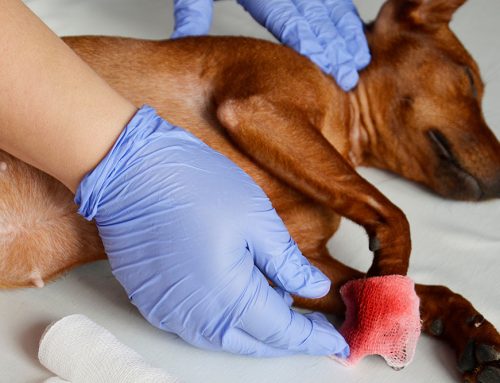
If your pet suddenly refuses contact or shows new avoidance behaviors, reach out right away. Our emergency team evaluates for trauma, pain, or neurological injury and offers immediate stabilization when needed.
A Simple At-Home Health Check
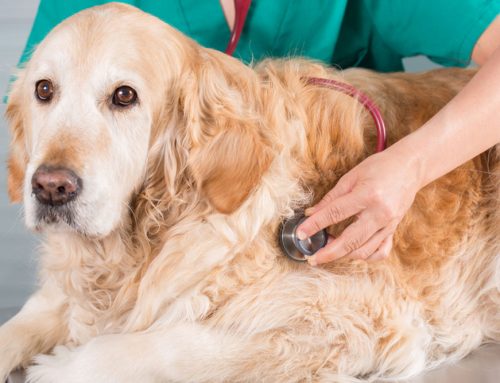
Owners can perform a gentle dog checkup at home between visits to track early changes. Observe your pet’s appetite, energy, breathing, mobility, and elimination habits. Check for swelling, limping, or signs of stress.
Consistent observation and prompt reporting help veterinarians identify issues before they escalate. Regular preventative care also plays a crucial role in maintaining overall wellness and preventing emergencies.
Keep notes or short videos of new behaviors to share during your visit- these details can dramatically improve diagnostic accuracy.

How Diagnostics Reveal the Underlying Cause
Behavioral changes can mask medical crises like pain, endocrine disorders, or infections. Blood work, urinalysis, and imaging help our doctors evaluate your pet’s internal systems and rule out serious disease.
VESCONA’s advanced diagnostics include X-rays, ultrasound, and CT imaging for complex internal medicine cases. Our team uses these tools to guide targeted treatment and relieve distress quickly, minimizing hospitalization time and supporting faster recovery.
Treatment and Management Strategies
Once the underlying cause is identified, treatment may include medication for pain or inflammation, antibiotics, hormone regulation, or behavioral therapy. In cases involving neurological conditions, our emergency and internal medicine teams coordinate ongoing management plans that balance comfort and safety.
When It’s Time to Seek Help
If your pet’s behavior shifts suddenly or dramatically, don’t wait for it to pass. Behavior is communication, and early veterinary evaluation can prevent emergencies. Whether it’s a change in appetite, withdrawal, or unexplained aggression, our emergency team is ready to help.
Visit our contact page or come right in if your pet needs immediate attention. At the Veterinary Emergency and Specialty Center of Northern Arizona, we believe the best medicine starts with compassion, expertise, and the understanding that your pet is family. When it comes to their health, nothing less will do.


Leave A Comment