

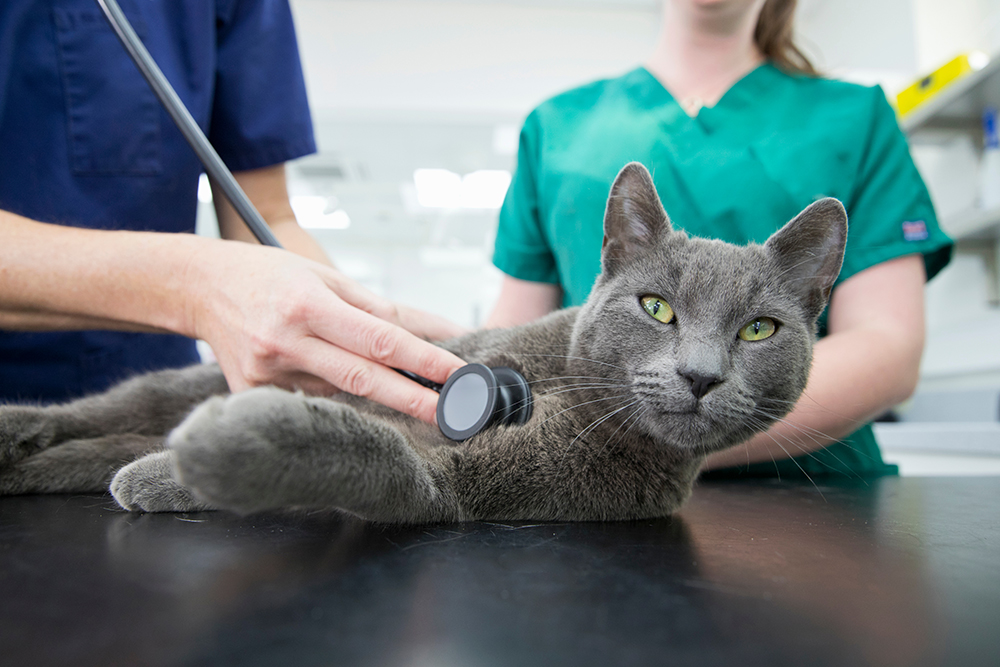
Feline Pancreatitis: Recognizing and Responding to a Silent Emergency
What do you do when your cat suddenly stops eating or starts vomiting? It’s terrifying to watch your pet go from playful to withdrawn, hiding away because they don’t feel well. These subtle changes can be signs that your cat’s pancreas is inflamed- a serious condition that requires immediate veterinary attention. Pancreatitis is a medical emergency where quick action and supportive care are essential for preventing severe dehydration and potential organ damage, giving your pet the best chance at a full recovery.
At the Veterinary Emergency and Specialty Center of Northern Arizona (VESCONA), we provide world-class emergency and internal medicine care for cats experiencing sudden illness. With intensive monitoring, advanced diagnostics, and compassionate inpatient treatment, we’re equipped to help cats recover safely from life-threatening conditions like pancreatitis.
Why Subtle Signs of Feline Pancreatitis Matter
Cats are masters at hiding discomfort. Subtle signs- like skipping meals, seeming tired, or vomiting once or twice- often mask more serious illness. Because cats with pancreatitis may only show vague symptoms, the condition can easily be overlooked until it becomes critical. Pancreatitis may progress silently for days before showing outward symptoms, which is why small changes in appetite or behavior deserve attention.
At VESCONA, our experienced team encourages owners to trust their instincts when something feels off. Early diagnostics, including blood tests and imaging, can detect inflammation before it leads to severe complications. In many cases, mild pancreatitis that’s caught early can be treated before it develops into a full-blown crisis. If your cat suddenly stops eating, vomits repeatedly, or hides for long periods, it’s time to contact our emergency team.
Understanding What Pancreatitis Means for Cats
The pancreas produces enzymes for digestion and regulates insulin. When inflammation strikes, these enzymes can leak into surrounding tissues, causing pain and systemic illness known as feline pancreatitis. Because the signs- such as lethargy, vomiting, or loss of appetite- are nonspecific, diagnosis requires careful evaluation and advanced testing.
Chronic forms of the disease can cause long-term digestive issues, leading to malnutrition and weight loss. In some cats, repeated episodes of pancreatitis can impair insulin regulation and trigger diabetes mellitus. Understanding the pancreas’s dual role in digestion and hormone balance is key to managing both short-term and lifelong complications.
Our internal medicine specialists are skilled in managing complex pancreatic and metabolic conditions, combining advanced imaging with lab work to identify subtle abnormalities. Regular wellness checkups help detect early metabolic changes before symptoms appear, allowing us to intervene sooner and more effectively.
Common Causes and Risk Factors
Pancreatitis can develop spontaneously or result from other medical issues. Cats with inflammatory bowel disease are at higher risk due to overlapping inflammation in the digestive tract. Endocrine disorders like diabetes can also disrupt normal metabolism, stressing the pancreas further.
Additionally, triaditis– a combination of pancreatitis, liver inflammation, and intestinal disease- is a common finding in feline medicine. Trauma, infections, and fatty diets can also contribute. Certain medications and toxins, including insecticides or inappropriate human foods, may also play a role.
Because these conditions often overlap, accurate diagnosis depends on comprehensive imaging and lab analysis. Our hospital’s diagnostic technology helps identify concurrent disease processes and guide individualized treatment plans for every patient. If you believe your pet has eaten something toxic, contact us immediately- you may be able to prevent serious complications by acting fast.
Warning Signs Cat Owners Should Never Ignore
Pancreatitis doesn’t always appear dramatic. Common signs include:
- Decreased appetite or refusal to eat
- Lethargy and weakness
- Vomiting or diarrhea
- Hiding, especially in dark or quiet places
- Sensitivity when picked up
- A tense or painful abdomen
Other subtle indicators include drooling, dehydration, and a hunched posture caused by abdominal pain. In severe cases, cats may develop fever, labored breathing, or jaundice. Because dehydration and organ stress can progress quickly, any combination of these symptoms should be treated as an emergency. If your cat displays vomiting or diarrhea, call immediately for guidance.
Why Prompt Care Saves Lives
When pancreatitis goes untreated, inflammation can lead to hepatic lipidosis, sepsis, or even organ failure. Overweight cats that stop eating for more than 24 hours are particularly at risk for hepatic lipidosis because their liver struggles to metabolize fat effectively. The earlier treatment begins, the better the prognosis.
Timely hospitalization with IV fluids, anti-nausea support, and nutritional management can turn a dangerous situation into a recoverable one. At VESCONA, our emergency and internal medicine teams work side by side to stabilize patients with pancreatitis using continuous fluid therapy, oxygen support when needed, and advanced pain management. For severe cases, our critical care monitoring ensures that blood pressure, electrolytes, and organ function remain stable throughout recovery.
If you suspect your cat may be ill, call us immediately at 928-779-5522– our emergency team is here to guide you through next steps.
How Pancreatitis Is Diagnosed
Diagnosing pancreatitis requires multiple tests since no single result is definitive. Veterinarians often use a combination of blood panels, enzyme-specific assays, and imaging like ultrasound or CT scans to visualize inflammation. The “fPLI” test (feline pancreatic lipase immunoreactivity) is a valuable marker for identifying pancreatic inflammation.
At our hospital, advanced diagnostic imaging, including CT scanning, allows us to evaluate the pancreas and surrounding organs with precision, distinguishing pancreatitis from other abdominal diseases such as intestinal blockage, liver disease, or gallbladder inflammation.
If your cat’s appetite has declined or their vomiting persists, schedule a diagnostic consultation so our specialists can develop a tailored plan for early detection and treatment. Quick testing means faster relief and a stronger chance at full recovery.
Treatment and Recovery for Cats with Pancreatitis
In-hospital treatment focuses on stabilizing your cat’s condition and managing pain, nausea, and dehydration. Most cats require IV fluids, electrolyte replacement, and supportive medications. If the cat refuses food, our team may recommend feeding tubes to maintain nutrition safely. Controlling nausea and providing appetite stimulants can also encourage earlier voluntary eating, which is key to recovery.
As your cat recovers, our veterinarians will monitor bloodwork, appetite, and hydration, adjusting medications as needed. Once stable, we design individualized at-home recovery plans- including follow-up visits and diet recommendations- to support long-term pancreatic health. For chronic cases, we collaborate with primary veterinarians to establish ongoing management, including prescription diets and regular rechecks to monitor enzyme levels.
Preventing Pancreatitis and Supporting Long-Term Health
Prevention starts with nutrition and consistency. Feed a balanced diet made specifically for cats, avoiding fatty table scraps and sudden dietary changes. Choose pet-safe treats instead of human snacks, and aim to maintain a healthy weight through regular play and portion control.
Avoid high-fat foods, monitor for vomiting or appetite changes, and discuss any medication adjustments with your veterinarian to prevent recurrence. For cats with a history of pancreatitis, routine bloodwork and ultrasound imaging help detect inflammation early and prevent future flare-ups.
Frequently Asked Questions About Feline Pancreatitis
Can pancreatitis come back?
Yes. Cats who recover from pancreatitis may experience flare-ups, especially if they have underlying liver or intestinal issues. Ongoing monitoring and diet management reduce recurrence risk.
Is it contagious?
No, pancreatitis isn’t contagious, but underlying infections or metabolic disorders should be evaluated.
How long does recovery take?
Most cats improve within several days of treatment, but full recovery can take weeks depending on severity and overall health. Cats with chronic conditions may require ongoing dietary and medical support.
What should I feed my cat after pancreatitis?
Veterinarians usually recommend bland, easily digestible diets. Avoid high-fat foods and make any dietary transitions gradually. Hydration and consistency are key during recovery.
At the Veterinary Emergency and Specialty Center of Northern Arizona, every case is personal. We believe in the love you share with your pet- and we take that bond seriously. Our dedicated team works tirelessly, delivering care that’s both advanced and compassionate. Because when your pet is family, nothing less will do. If your cat is showing signs of illness, or if you have concerns about recurring digestive issues, please contact us to learn how we can help.


Leave A Comment