

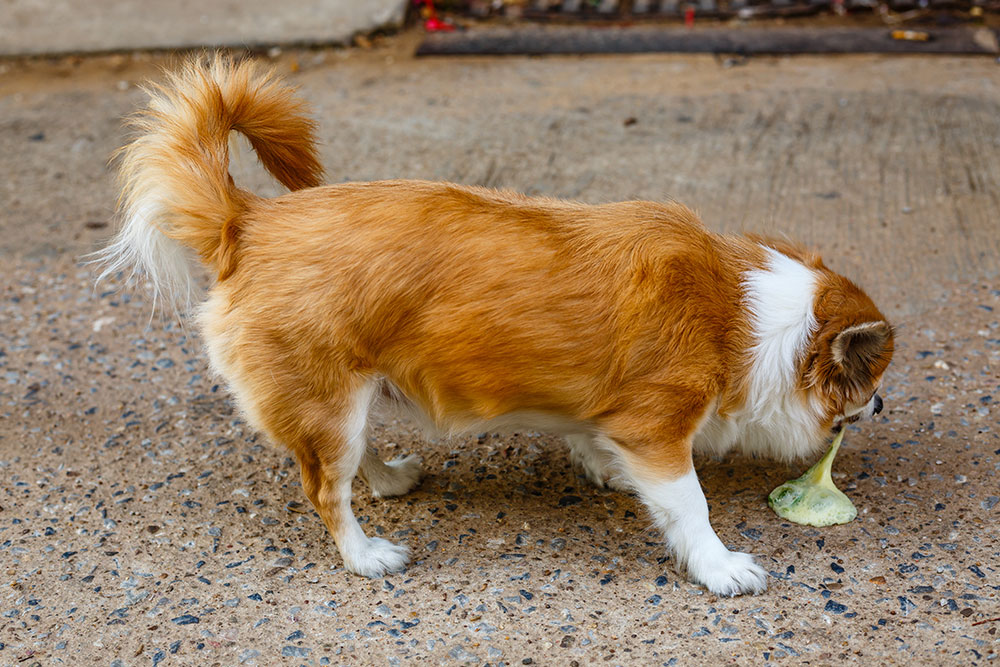
Chronic Vomiting Decoded: Why Diagnosis Takes Time and Multiple Steps
Vomiting that won’t stop demands immediate clarity. When a pet can’t keep anything down, when there’s blood present, or when weakness accompanies the episodes, the question isn’t whether to seek help but where to find the expertise and equipment needed to diagnose what’s happening fast.
At the Veterinary Emergency and Specialty Center of Northern Arizona, we handle both the urgent presentations and the complex diagnostic workups that chronic vomiting often requires. Our emergency team uses Northern Arizona’s only CT scanner alongside advanced bloodwork and imaging to identify everything from obstructions to organ failure to inflammatory diseases. For cases involving vomiting and diarrhea that need internal medicine consultation, our services provide the depth of investigation that goes beyond initial stabilization. Whether your primary veterinarian has referred you for advanced diagnostics or you’re facing an acute crisis, our experts are here to find answers. Contact our team whether this is an emergency situation or a chronic problem that needs answers.
When Does Occasional Vomiting Become a Chronic Problem?
Finding vomit every few days for weeks usually isn’t “just a hairball.” Occasional episodes happen, especially with hairballs in cats or grass-eating dogs. Chronic vomiting means a pattern over weeks or months that points to a deeper issue.
Watch for warning signs that vomiting is chronic:
- Weight loss or reduced appetite
- Increased thirst or urination
- Lethargy or behavior changes
- Blood in vomit (red or coffee-ground appearance)
- Diarrhea with vomiting
- Vomiting after meals or hours later
These signs often show up in senior pet health problems and deserve a full evaluation. Chronic vomiting rarely exists alone- it’s a body-wide signal to investigate. Many cases that seem straightforward at first require the advanced imaging and internal medicine expertise our center provides. Our team collaborates to piece together symptoms, lab results, and imaging findings to identify causes that may not be obvious on initial examination.
What Causes Persistent Vomiting in Dogs and Cats?
Diet Triggers and Food Sensitivities
Food sensitivities can appear after years on the same protein. A dog that always handled chicken or beef may suddenly react. Dietary indiscretion- trash raids, table scraps, or frequent treat changes- also upsets the GI tract. Choosing the right food matters, but finding the culprit takes a careful process.
Common questions:
- Can treats cause chronic vomiting? Yes, even small amounts can keep symptoms going.
- Do “sensitive stomach” foods fix it? Sometimes, but they aren’t diagnostic.
When Organs Outside the GI Tract Are Involved
Vomiting isn’t always a “stomach issue.” Kidney disease, liver disease, and hormonal conditions can all lead to chronic vomiting because the body can’t filter or balance properly. We regularly diagnose these systemic causes using comprehensive bloodwork panels, advanced imaging, and specialized testing not available at most general practice clinics.
Chronic kidney disease is one of the most common causes of chronic vomiting, especially in older cats. As kidney function declines, waste products like urea and creatinine build up in the bloodstream, triggering nausea and vomiting. Pets with kidney disease often show increased thirst and urination alongside vomiting, and they may lose weight gradually over months.
Hepatic lipidosis, also called fatty liver disease, is a serious condition in cats where fat accumulates in liver cells and impairs function. It often develops when a cat stops eating for several days, causing the body to mobilize fat stores that overwhelm the liver. Affected cats become jaundiced (yellowing of the skin and eyes), lethargic, and persistently nauseous with frequent vomiting.
Hyperthyroidism affects older cats when the thyroid gland produces excessive hormone, speeding up metabolism dramatically. While many owners first notice weight loss despite increased appetite, chronic vomiting and diarrhea are also common. The excess thyroid hormone affects the entire GI tract, increasing motility and causing food to move through too quickly.
Pancreatitis occurs when digestive enzymes activate prematurely and begin digesting the pancreas itself, causing severe inflammation and pain. Dogs and cats with pancreatitis typically show repeated vomiting, abdominal pain, loss of appetite, and lethargy. The condition ranges from mild to life-threatening. Severe cases may require hospitalization in our intensive care unit with round-the-clock monitoring.
Primary GI Diseases
Some problems start in the digestive tract itself.
Inflammatory bowel disease (IBD) develops when inflammatory cells infiltrate the intestinal lining, disrupting normal digestion and absorption. Pets with IBD typically show chronic vomiting, diarrhea, weight loss, and poor appetite over weeks to months. The inflammation prevents proper nutrient absorption and causes persistent nausea. Diagnosis often requires endoscopy with intestinal biopsies to examine tissue under a microscope and rule out other causes like lymphoma.
Gastric dilatation-volvulus (GDV), commonly called bloat, is a surgical emergency where the stomach fills with gas and twists on itself, cutting off blood flow. Large, deep-chested dogs are at highest risk. Early signs may include unsuccessful attempts to vomit (retching with nothing coming up), restlessness, drooling, and a distended abdomen. Without immediate surgical intervention to untwist the stomach and secure it in place, GDV is fatal within hours. Our emergency team is equipped to stabilize these patients quickly and our surgical suite is ready for immediate life-saving surgery. If you see your dog attempting to vomit or retching, act fast- it could be GDV, which requires emergency surgery to survive.
Megaesophagus is a condition where the esophagus loses its ability to move food from the mouth to the stomach through normal muscular contractions. Food and water accumulate in the dilated esophagus and are eventually regurgitated, often looking like vomiting to owners. The key difference is that regurgitated material is undigested and comes up passively without abdominal effort.
Lymphoma is a common cancer affecting the lymphatic system, and gastrointestinal lymphoma specifically targets the intestines. Cats with GI lymphoma often present with chronic vomiting, diarrhea, weight loss, and poor appetite. Dogs can also develop intestinal lymphoma. The cancerous cells infiltrate the intestinal wall, disrupting normal function and causing thickening that’s visible on ultrasound. Definitive diagnosis requires biopsy, either through endoscopy or surgery.
Bilious vomiting syndrome occurs when bile from the small intestine backs up into an empty stomach, irritating the stomach lining and causing vomiting of yellow or greenish-yellow foam. Dogs with this condition typically vomit in the early morning or after long periods without food. The solution is often simple: feeding smaller, more frequent meals or giving a small bedtime snack to prevent the stomach from being empty for extended periods. While this condition is usually manageable, we ensure through thorough diagnostics that more serious causes aren’t being overlooked.
Toxins, Allergic Reactions, and Foreign Objects
Not all poisons act fast. Exposure to toxic plants like lilies, sago palms, or azaleas may cause ongoing vomiting. If you suspect poisoning, call poison control while heading to our ER. Toxin exposure should always be assessed and treated promptly to avoid serious injury to internal organs. Our emergency team can provide immediate decontamination, supportive care, and specific antidotes when available.
Anaphylactic allergic reactions- like to bee stings or vaccines- can sometimes appear with vomiting as the first symptom. If you notice several episodes of vomiting combined with collapse or difficulty breathing, come in immediately for life-saving allergic reaction treatment. Our emergency doctors are trained in rapid stabilization of anaphylaxis.
Foreign objects can partially block the GI tract, leading to off-and-on vomiting. Common culprits include string, toys, and fabric. Foreign body blockages typically require surgery to fix the problem. Our CT scanner provides detailed 3D imaging that helps identify foreign objects that might be missed on standard X-rays, and our surgical team is experienced in performing emergency exploratory surgery to remove obstructions and repair any damaged intestine.
How We Investigate Chronic Vomiting
Step One: A Thorough Workup
We start with history, exam, and baseline testing. Details about diet, environment, and timing are key. Exams look for dehydration, pain, weight loss, or enlarged organs. Our team takes the time to understand the full picture before recommending the diagnostic path most likely to provide answers.
Initial diagnostics typically include:
- Complete blood count, chemistry panel, urinalysis
- Fecal testing for parasites
- Abdominal ultrasound
- CT imaging for complex cases or 3D views
Our in-house laboratory provides rapid results, often within hours, allowing us to move quickly from diagnosis to treatment. Advanced imaging can identify subtle changes in organ architecture, wall thickness, masses, or fluid accumulation that explain vomiting. These tests often point us to either systemic causes or GI disease, helping us choose next steps. When findings suggest surgical intervention or advanced medical management, our team coordinates care seamlessly.
When Biopsy Is Helpful
Small tissue samples collected during an abdominal exploratory help confirm if the problem is inflammatory, infectious, or cancerous. Clear diagnosis leads to targeted treatment- diet and medications for IBD, chemotherapy for lymphoma, or other specific plans based on findings. Having both internal medicine and surgical capabilities under one roof means we can choose the best diagnostic approach for each case and move quickly when surgical intervention is needed.
Treatment Approaches Based on Diagnosis
Food-Responsive Vomiting
If food is the trigger, management focuses on strict diet control:
- Stay on the therapeutic diet that worked during the trial
- Choose treats carefully
- Educate the household so everyone stays consistent
Some pets can slowly expand food options later; others need lifelong limited or hydrolyzed diets. We help you build a sustainable plan and provide ongoing nutritional counseling to ensure your pet receives complete, balanced nutrition while avoiding triggers.
Inflammatory Bowel Disease and Similar Conditions
IBD management typically combines:
- Diet changes
- Immunosuppressive medications (e.g., prednisone or chlorambucil)
- Sometimes antibiotics and probiotics for gut support
Response varies by pet. We adjust medications and monitor regularly to keep symptoms controlled and side effects minimal. Our internal medicine team has extensive experience managing complex IBD cases and can modify treatment protocols based on how your pet responds.
Systemic Causes
Treatments depend on the underlying issue:
- Kidney disease: fluids, binders, specialized diets
- Hyperthyroidism: medication, radioactive iodine therapy, or surgery
- Pancreatitis: pain control, anti-nausea support, nutrition during flare-ups
When the primary condition is managed, vomiting often resolves and pets regain weight and energy. Our team develops comprehensive management plans for chronic conditions, adjusting treatment as disease progresses and coordinating with your primary veterinarian for ongoing care.

FAQs: Quick Answers for Worried Pet Parents
- How long should I wait before seeing a vet? If vomiting is frequent, there’s blood, or your pet is weak, seek care immediately. If episodes repeat over weeks, schedule an evaluation soon.
- Can hairballs cause chronic vomiting? Hairballs can be occasional. Frequent episodes need checking, especially if other symptoms are present.
- Will diet changes alone fix it? Sometimes. That’s why elimination diet trials are crucial.
- What if my pet ate a toxic plant? Call poison control and head to our ER. Check the toxic plant list.
Finding Answers and Restoring Your Pet’s Comfort
Chronic vomiting is stressful, but a step-by-step plan leads to answers. From initial labs and imaging to food trials and, when needed, endoscopy and biopsy, each step narrows the cause and brings relief closer.
We’re here to partner with you- diagnose thoughtfully, treat precisely, and support your pet’s recovery. Whether it’s an acute crisis or a long-standing problem, our emergency and internal medicine teams provide comprehensive care with advanced tools and compassionate guidance. We have the expertise, equipment, and experience to handle cases that require more than routine veterinary care. Our team of skilled emergency doctors and surgical experts to provide the depth of investigation your pet deserves. Schedule a consultation to start the path toward clarity and comfort for your pet.


Leave A Comment