

The Financial Reality of Pet Emergencies: Cost Breakdowns and Payment Options
Facing an emergency veterinary bill while a pet’s life hangs in balance creates intense pressure. Estimates climb fast when diagnostics point to surgery, intensive care, or specialist input. Families who never imagined spending thousands suddenly must decide how far to go financially when treatment could save or extend life. Emergency facilities cost more than regular clinics because they offer what others can’t: overnight care, immediate specialist access, and critical care capabilities.
The Veterinary Emergency and Specialty Center of Northern Arizona provides world-class veterinary medicine with honest cost communication. We share clear estimates before treatment, explain what each service does, and help families prioritize when budgets are tight. We accept CareCredit and pet insurance, and we’ll discuss essential versus ideal steps. Our goal is transparent financial conversations at every stage. Contact our emergency team with questions about specific emergencies or what an emergency visit typically includes.
What Makes Emergency Veterinary Care Different from Regular Visits?
Your cat hides and won’t eat at 2 a.m. Your dog collapses on a Sunday. When regular clinics are closed, emergency hospitals are your pet’s best option.
Here’s why emergency care costs more:
- Staffing with veterinarians, nurses, and support trained in emergency and critical care
- Advanced equipment ready at all times, including a CT scanner, on-site lab, oxygen therapy, and surgery suites
- Advanced pharmaceutical availability, like antivenin and other anti-toxins
- After-hours staffing and on-call expertise, which carry higher operational costs
This infrastructure is available whether one patient arrives or 20. Those readiness costs are built into emergency pricing so help is there when you need it most.
When Should You Actually Rush to an Emergency Vet?
Not every symptom is an emergency, but certain signs need urgent care. If you’re unsure, call ahead and our triage team will guide you.
Seek emergency care now if your pet has:
- Trouble breathing, severe bleeding, seizures, or collapse
- Bloated abdomen with unproductive retching, or sudden paralysis
- Inability to urinate or defecate despite straining
- Suspected toxin ingestion, pale gums, or extreme lethargy
- Trauma from accidents or falls
We treat the above issues regularly, as well as respiratory distress, bleeding, shock, bloat, allergic reactions, and trauma. Knowing a true pet emergency helps you act fast and avoid added risk and cost.
Breaking Down Emergency Visit Expenses
Emergency costs vary based on your pet’s condition and the level of care needed. The equipment and medications we use are essentially the same as what’s used in a human emergency room- coming at a huge expense to our own hospital. We do our very best to keep prices as low as possible to make our high-quality care as accessible as possible to pet owners. Here’s a practical overview:
Exam and triage:
- $150 to $250 dollars for the initial assessment and vitals from emergency-trained staff
Diagnostics:
- Blood work: $150 to $500 dollars depending on depth
- X-rays: $200 to $400 dollars, more depending on if full anesthesia is needed to obtain clear images
- Ultrasound: $300 to $600 dollars
- CT scan: $800 to $1,500 dollars
Treatments and care:
- IV fluids: $200 to $400 dollars per day
- Medications and pain control: $50 to $200 dollars
Overnight hospitalization and monitoring:
- $500 to $1,500 dollars per night, depending on how critical your pet is
Emergency surgery:
- $2,000 to $5,000 dollars or more depending on complexity
Total visit costs can range from about $500 for straightforward cases to $10,000 or more for critical care and surgery. We’ll provide written estimates and explain what’s essential versus ideal so you can make confident decisions.
Why Diagnostic Tests Matter
Diagnostic tests add cost, but they guide treatment and can be the difference between guessing and knowing.
- Blood tests check organ function, hydration, and infection. Results shape fluid plans, medications, and whether surgery is safe.
- X-rays show broken bones, swallowed objects, lung or abdominal fluid, and enlarged organs. They help distinguish simple stomach upset from a blockage.
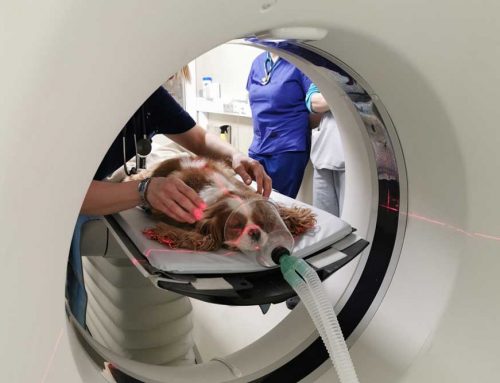
- CT scans provide detailed 3D images for complex injuries, suspected brain issues, small foreign objects, or tumor assessment. This can prevent transfers and speed up care locally.
- Ultrasound shows soft tissues in real time. It helps evaluate the heart, abdomen, fluid, masses, and pregnancy concerns.
- Urinalysis costs $50 to $100 and can reveal urinary infections, crystals, or early kidney issues.
Bottom line: the right tests help your pet get the right care sooner, often saving money and time overall.
Managing Costs: Payment Options That Help
Money should never be the reason a pet goes without urgent care. There are several ways to manage unexpected bills:
- CareCredit: A healthcare credit card with promotional financing options. Applications are fast, and we accept it.
- Scratch Pay: Flexible payment plans with approvals that consider more than just credit scores.
- Pet insurance: Typically reimburses 70% to 90% of eligible costs after your deductible. You pay at the visit and get reimbursed later. We provide itemized invoices and records for claims.
- Assistance programs: Some nonprofits offer financial assistance for veterinary care and pet financial assistance resources. Funding isn’t guaranteed, but it’s worth exploring.
We’ll discuss options before treatment begins, respect your budget, and prioritize care that moves the needle for your pet.
The Real Cost of Pet Ownership Beyond Emergencies
Emergency care is only part of the picture. Planning ahead reduces surprises.
- Dogs: The average cost of dog ownership is roughly $1,500 to $2,500 per year for routine care, preventives, dental care, and food. Large dogs often cost more.
- Cats: The cost of cat ownership averages $1,000 to $2,000 per year, including litter and enrichment.
These numbers don’t include emergencies. A single emergency visit of $1,500 to $3,000 can exceed a full year’s worth of routine care. Consider setting aside $50 to $100 monthly as a pet emergency fund, and combine it with insurance for better protection.
How Pet Insurance and Emergency Funds Work Together
Insurance and savings are a strong one-two punch for financial peace of mind.
How Insurance Works
Plans reimburse a percentage after your deductible. For a $3,000 bill with an 80% plan and a $250 deductible, your likely out-of-pocket is around $800, with the rest reimbursed after you submit the claim.
- Coverage details vary: Some plans have annual limits; others offer unlimited coverage. Pre-existing conditions are typically not covered, so enrolling puppies and kittens early is smart.
- Savings fill the gaps: Emergency funds help with deductibles, non-covered items, and immediate costs. Learn about pet insurance and pet savings accounts and try simple tactics for saving for pet emergencies, like automatic monthly transfers.
Have questions about coverage or typical out-of-pocket costs? Our team can share what we commonly see and how families plan ahead.

Preventing Emergencies With Proactive Care
Not all emergencies are preventable, but many risks can be lowered with routine care and smart home habits.
- Wellness visits: Annual or twice-yearly checkups catch small issues before they escalate. Baseline blood work helps spot changes early.
- Vaccinations: Prevent severe illnesses like parvo, rabies, and leptospirosis that can lead to intensive, costly care.
- Parasite prevention: Monthly preventives protect against heartworm, ticks, and intestinal parasites that can cause serious illness.
- Dental care: Professional cleanings and at-home routines reduce infections that can spread and become painful emergencies.
- Home safety: Keep medications, chocolate, and xylitol away; use pet-safe antifreeze; remove toxic plants; and pet-proof chewable hazards that can cause blockages.
- Healthy weight: Proper diet and exercise help prevent diabetes, breathing issues, and heat-related emergencies.
- Watch for changes: Reduced appetite, thirst changes, lethargy, or unusual behavior can signal early illness. Early visits often mean simpler, less expensive care.
FAQs: Quick Answers to Common Money and Emergency Questions
Is every after-hours visit an emergency?
Not always. If you’re unsure, call us. We’ll help you decide if it’s urgent or if it can wait until morning.
Can I get an estimate before treatment?
Yes. We provide detailed written estimates and explain essential vs. optional items before moving forward.
What if I can’t afford everything recommended?
Tell us your budget. We’ll prioritize the most important tests and treatments first and discuss payment options like CareCredit or Scratch Pay.
Does pet insurance pay the hospital directly?
Most plans reimburse you after the visit. You pay upfront, submit the claim, and receive payment from the insurer.
How can I avoid a surprise bill?
Ask for updates as we learn more. Costs can change with new information, and we’ll review options at each step.
Your Partner in Emergency Preparedness and Pet Health
Emergency costs are stressful, but planning and clear communication help. Knowing typical expenses, exploring payment options early, and keeping up with preventive care can reduce both emergencies and costs. We believe every pet deserves world-class emergency medicine, and we’re committed to transparent estimates and honest guidance about essential care.
Have questions about costs, coverage, or what to do right now? Contact us to talk through your situation. We’re here to help you navigate decisions, support your budget, and be a partner in your pet’s care. If you’re worried about a symptom or need an estimate, reach out so we can help you plan next steps and ease your worries.




Leave A Comment