

Eyelid Abnormalities in Dogs and Cats: When Eye Discomfort Becomes an Emergency
Does your dog or cat squint constantly, paw at their face, or have eyes that never seem to stop watering? These signs might seem minor at first, but eyelid abnormalities like entropion and ectropion can quickly progress from mild irritation to genuine emergencies. When fur and lashes rub against the cornea with every blink, or when drooping lids leave the eye exposed to debris and bacteria, painful corneal ulcers, serious infections, and even permanent vision loss can develop faster than many pet owners realize.
The good news is that both conditions are highly treatable when caught early. The concerning reality is that delayed care can turn a manageable problem into an urgent situation requiring emergency intervention.
At the Veterinary Emergency and Specialty Center of Northern Arizona, our team provides around-the-clock emergency care and advanced surgical correction for eyelid conditions. If your pet is showing signs of eye discomfort, don’t wait to see if it gets worse. Eye injuries require urgent attention- contact us right away if you’re concerned.
What Are Entropion and Ectropion?
Understanding these conditions helps explain why they can become emergencies so quickly.
Entropion occurs when the eyelid edge rolls inward, causing fur and lashes to rub directly against the cornea with every single blink. Imagine having a piece of grit in your eye that you can never remove. That constant friction causes pain, excessive tearing, redness, and over time, serious damage to the eye’s surface. Entropion in dogs can be inherited or develop later in life, and without treatment, it leads to ulcers and scarring that threaten vision.
Ectropion is the opposite problem. The eyelid sags or droops outward, exposing the delicate inner lid tissue to air, dust, debris, and bacteria. While it may seem less immediately painful, the eye loses its natural protection. Chronic irritation, recurring infections, and tissue damage follow.
Both conditions can occur alongside other common eye conditions like abnormal eyelash growth or dry eye, which is why accurate diagnosis matters so much. Multiple overlapping problems require a thorough evaluation to address everything affecting your pet’s comfort and vision.
Which Pets Are at Higher Risk?
Genetics and facial structure play significant roles in eyelid abnormalities, though any dog or cat can be affected. Hereditary eyelid conditions often appear in puppies or young adults, but problems can emerge at any age.
Breeds prone to entropion (inward rolling):
- Shar Peis, Chow Chows, English Bulldogs, and Mastiffs
- Rottweilers, Great Danes, and Saint Bernards
- Spaniels and Retrievers with heavy facial skin
- In cats, flat-faced breeds like Persians and Himalayans
Breeds prone to ectropion (outward drooping):
- Bloodhounds, Basset Hounds, and Saint Bernards
- Cocker Spaniels, Great Danes, and Newfoundlands
- Any breed with naturally loose, droopy lower lids
Some breeds can develop both conditions simultaneously, creating a “diamond eye” appearance where parts of the lid roll in while others droop out. Beyond breed predisposition, eyelid disorders can develop from age-related tissue loosening, chronic eye inflammation, previous injuries, or pain-induced squinting.
If your pet’s breed puts them at higher risk, watching for early warning signs helps catch problems before they become emergencies.
What Symptoms Require Veterinary Attention?
Eye discomfort can escalate quickly from mild irritation to serious damage. Recognizing the signs of eye pain helps you act before complications develop.
Warning signs that need evaluation:
- Excessive tearing or mucus discharge
- Squinting, keeping one eye partly closed, or light sensitivity
- Pawing at the face, rubbing against furniture, or head shyness
- Red, swollen, or irritated inner eyelid tissue
- Visible inward or outward rolling of the eyelid edge
- Cloudy, hazy, or discolored spots on the cornea
- Crusting around the eyes or recurrent discharge
Cats often hide discomfort and may show only subtle changes like slight drooping, dark tear staining, or reluctance to be touched near the face.
These signs indicate active eye pain and should never be dismissed as cosmetic issues. If your pet is showing any of these symptoms, please contact us promptly for an eye assessment.
What Happens When Eyelid Problems Go Untreated?
This is where eyelid abnormalities become genuinely dangerous. The complications that develop from untreated entropion and ectropion can turn a manageable condition into an emergency.
Corneal Ulcers: A Painful Emergency
When lashes and fur rub against the cornea repeatedly, they create microscopic scratches that can develop into corneal ulcers. These are open sores on the eye’s surface that cause intense pain and can progress rapidly.
Why corneal ulcers are emergencies:
- They can deepen within hours, potentially perforating the eye
- Bacteria can invade the damaged tissue, causing serious infection
- Without treatment, vision loss or even loss of the eye is possible
- Pain is severe, often causing pets to stop eating or become withdrawn
A pet with a deep or infected corneal ulcer may need emergency surgery to save the eye. What started as eyelid irritation has now become a crisis requiring immediate intervention.
Chronic Infection and Tissue Damage
Ectropion leaves the eye’s protective structures exposed to the environment. Dust, pollen, debris, and bacteria have direct access to delicate tissue that should be protected.
Consequences of untreated ectropion:
- Chronic conjunctivitis (inflammation of the inner lid) that never fully resolves
- Recurring bacterial infections requiring repeated antibiotic courses
- Persistent eye discharge that indicates ongoing inflammation
- Dry, damaged tissue from constant exposure to air
- Secondary corneal problems from inadequate tear distribution
Permanent Vision Changes
The longer these conditions go unaddressed, the more complicated treatment becomes and the greater the risk of lasting damage.
Long-term consequences can include:
- Corneal scarring that permanently affects vision clarity
- Pigmentation changes where the eye tries to protect itself by laying down dark pigment
- Chronic pain that affects quality of life even after correction
- Structural changes that make surgical repair more complex
- Complete vision loss in severe, neglected cases
The message is clear: early intervention prevents emergencies. A pet with mild entropion today could be facing emergency surgery for a ruptured corneal ulcer next month if the underlying problem isn’t addressed.
How Do Veterinarians Diagnose Eyelid Abnormalities?
A thorough eye examination distinguishes between different problems and identifies any complications that have already developed.
The diagnostic process includes:
- Visual inspection of eyelid position while your pet blinks naturally
- Topical anesthetic application to ease any pain-related squinting and see the true eyelid position
- Ocular tests including tear production measurement and corneal staining to reveal ulcers
- Magnified examination to check for eyelash problems like extra or misdirected lashes that may contribute to irritation
- Assessment of both eyes since subtle changes on one side can affect the other
- Evaluation of facial structure to understand breed-related factors
We can perform comprehensive eye evaluations any time your pet needs us, day or night.
What Are the Treatment Options for Entropion and Ectropion?
Are Temporary Measures Appropriate?
Not every case requires immediate permanent surgery. Temporary eyelid tacking uses small sutures to hold the eyelid in a more normal position while we address other factors.
Temporary tacking works well for:
- Growing puppies whose facial structure is still developing
- Pets with pain-induced squinting (spastic entropion) that may resolve once the underlying pain is treated
- Situations where we need to stabilize the eye while treating concurrent problems like ulcers
- Cases where repeated minor procedures allow us to assess the final anatomy before permanent correction
Tacking can be repeated if needed, and permanent surgery can be planned once we have a clearer picture of your pet’s long-term needs.
When Is Permanent Surgery Needed?
Definitive eyelid surgery offers lasting correction when the eyelid abnormality is clearly structural and your pet has reached facial maturity.
For entropion: A precise strip of skin is removed below the lid margin to roll the eyelid outward, preventing fur and lashes from contacting the cornea.
For ectropion: Procedures tighten or shorten the lid through techniques like wedge resection, helping the lid seal properly and protect the eye.
Our surgical approach is deliberately conservative. It’s better to slightly undercorrect and make minor adjustments later than to overcorrect and create new problems. Some pets benefit from staged procedures, especially if inflammation needs to settle first or both upper and lower lids are involved.
Special Considerations for Cats
Entropion in cats often presents differently than in dogs. Feline entropion frequently appears in adults or seniors rather than as a puppy condition, and it may occur alongside other eye surface problems that need simultaneous management.
Cats often need a combination of surgical techniques tailored to their specific anatomy. Our team builds individualized plans that account for your cat’s age, facial structure, and any concurrent eye conditions.
What Happens on Surgery Day?
Understanding the process helps ease anxiety about your pet’s procedure.
Before surgery:
- Preoperative examination confirms the surgical plan
- Bloodwork ensures safe anesthesia when appropriate
- Pain management begins before the first incision, not after
During surgery:
- Customized anesthesia protocols matched to your individual pet
- Continuous monitoring of heart rate, breathing, blood pressure, and oxygen levels
- Careful preparation of the surgical area
- Precise measurements guide suture placement for optimal results
- Minor adjustments made based on how tissue responds
After surgery:
- Supervised recovery from anesthesia
- Most pets go home the same day, though some benefit from overnight observation
- Clear instructions for home care
What Does Recovery Look Like?
The First Few Days
The surgical area can look dramatic initially, but most pets feel better quickly.
Normal post-operative signs:
- Mild swelling peaking around 24 to 48 hours
- Temporary bruising around the eye
- Prominent-looking sutures that soften as swelling resolves
- Mild clear discharge
Concerning signs that warrant immediate contact:
- Rapidly worsening swelling
- Thick yellow or green discharge
- Bleeding from the incision
- Loose or missing sutures
- Your pet managing to rub despite the cone
Critical home care requirements:
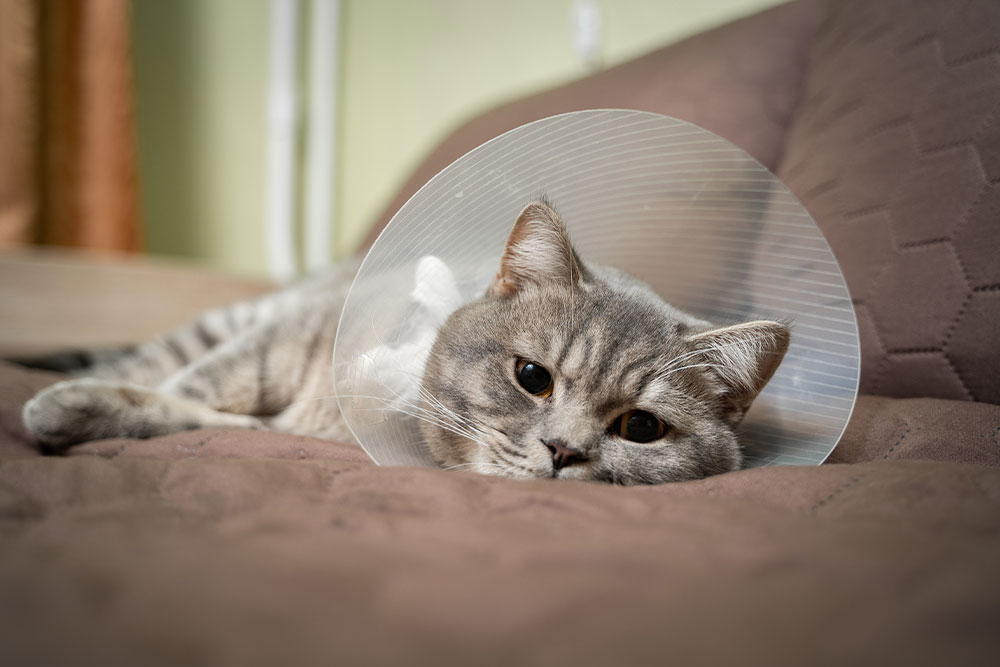
- Keep the Elizabethan collar on at all times. We know pets hate them, but one good rub can undo the entire surgery.
- Give pain medications exactly as prescribed.
- Follow instructions for administering eye medications carefully.
- Keep activity calm to avoid bumps or rough play.
- Watch the incision site daily for changes.
If anything concerns you during recovery, contact us immediately. We’re available from Friday at 5pm til Monday at 8am while your regular vet is closed.
Healing Timeline
- 10 to 14 days: Sutures are typically removed
- Several weeks: Final eyelid position settles as all swelling resolves
- Recheck appointments: Confirm proper healing and lid position
- Occasional revisions: Some pets benefit from minor adjustments once we see the final result
What Outcomes Can You Expect?
Eyelid surgery is highly successful when performed by an experienced team and followed by good home care.
Most pets experience:
- Immediate relief from the constant irritation of rubbing
- Rapid improvement in squinting, tearing, and discharge
- Protection from further corneal damage
- Restored comfort that improves their entire quality of life
Factors affecting outcomes:
- How severe the condition was before surgery
- Whether complications like ulcers or scarring had already developed
- Your pet’s age and facial maturity
- Cone compliance and medication administration during recovery
Pre-existing corneal scarring or pigmentation may not completely disappear, but pain relief and protection from additional damage are achieved. Stopping the chronic friction prevents progressive deterioration.
Frequently Asked Questions
What’s the difference between entropion and ectropion?
Entropion rolls the eyelid inward so fur and lashes rub the cornea. Ectropion rolls the lid outward, exposing delicate tissue to debris and bacteria. Both cause irritation, but entropion typically causes more direct corneal damage.
How quickly can these conditions become emergencies?
A corneal ulcer can develop and deepen within days. Once infection sets in, the situation can become critical within hours. Early evaluation prevents these emergencies.
Can puppies grow out of entropion?
Some young dogs improve as their facial structure matures. Temporary tacking protects the eye during this time, and permanent surgery can be planned once growth stabilizes.
Is recovery painful?
Most pets are comfortable with prescribed pain control and rest well with their cone on. Swelling and bruising improve noticeably within a few days, and many pets seem relieved that the constant irritation has stopped.
What if I notice problems after hours?
As a 24-hour emergency center, we’re here whenever you need us. Post-operative concerns don’t wait for business hours, and neither do we.
Don’t Wait Until Discomfort Becomes an Emergency
Entropion and ectropion are highly manageable when addressed early, but they can progress to genuine emergencies when left untreated. Corneal ulcers, serious infections, and permanent vision loss are preventable with timely care.
If your pet is squinting, tearing excessively, pawing at their face, or showing any signs of eye discomfort, trust your instincts and seek evaluation. What looks minor today could be causing real damage with every blink. For more information about urgent eye concerns, visit our eye injuries page.
Ready to get your pet the help they need? Please contact us to schedule an evaluation or bring your pet in for emergency care. We’re here to protect your pet’s comfort and vision.

Leave A Comment