

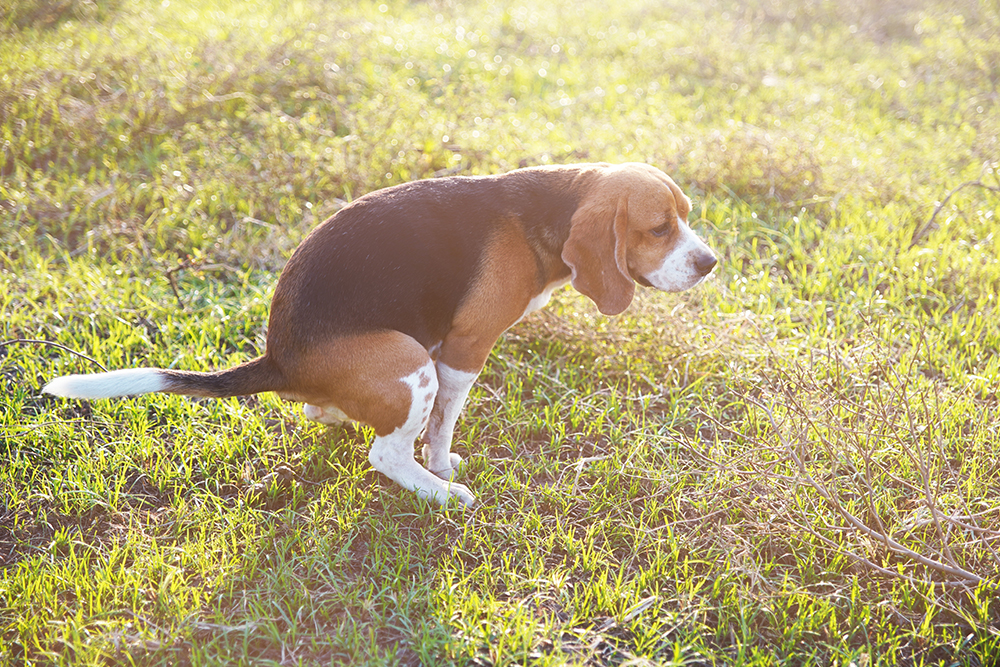
There is perhaps no more alarming thing to witness than your dog passing large volumes of bloody diarrhea. Acute hemorrhagic diarrhea syndrome (AHDS), also known as hemorrhagic gastroenteritis (HGE), can develop so rapidly that your dog who was completely normal at breakfast can be in life-threatening shock by early afternoon. The severity and speed of this condition make it one of the clearest examples of why time to treatment matters enormously in emergency veterinary medicine.
The Veterinary Emergency and Specialty Center of Northern Arizona handles critical presentations like HGE with full 24/7 emergency coverage on weekends. Distinguishing HGE from other causes of hemorrhagic diarrhea, including toxin ingestion and parvovirus, changes the treatment approach. If your dog has bloody diarrhea and seems unwell, this is not a wait-and-see situation. Contact us or come directly to our Flagstaff facility.
The Bottom Line
- HGE (acute hemorrhagic diarrhea syndrome) produces sudden, severe, raspberry-jam-like bloody diarrhea and can progress from normal to circulatory shock within hours, making it a true emergency rather than a wait-and-see situation.
- Small and toy breeds are at significantly higher risk, with Miniature Schnauzers, Yorkshire Terriers, Maltese, Miniature Poodles, and Pomeranians making up a disproportionate share of cases.
- Aggressive IV fluid therapy is the cornerstone of treatment, with antibiotics reserved for cases showing specific evidence of bacterial involvement or sepsis rather than used routinely.
- With prompt treatment, outcomes are typically excellent; without treatment, severe HGE can be fatal due to circulatory collapse from rapid fluid loss.
What Is HGE and What Causes It?
Hemorrhagic gastroenteritis (HGE) or acute hemorrhagic diarrhea syndrome (AHDS) is a sudden, severe condition characterized by profuse bloody diarrhea in an otherwise previously healthy dog. The exact cause is not fully understood, but research increasingly points to overgrowth of Clostridium perfringens bacteria as a key driver. The bacteria produce toxins that rapidly damage the intestinal lining, allowing massive fluid and protein loss into the bowel. Within hours, your dog who was healthy can lose enough fluid to develop circulatory collapse.
HGE is not contagious to other dogs or to humans. The bacteria involved are normal residents of the canine GI tract; the disease appears to result from an abnormal overgrowth response rather than transmission of an infectious agent. The combination of severe diarrhea, vomiting, and rapid fluid loss can drive dogs into shock within hours, which is why HGE is treated as an emergency rather than something to monitor at home.
Which Dogs Are Most at Risk for HGE?
Small and toy breeds develop HGE at significantly higher rates than large breeds. Miniature Schnauzers, Yorkshire Terriers, Maltese, Miniature Poodles, Pomeranians, and other small breeds make up a disproportionate share of the cases we see. The reasons are not entirely clear, but theories include differences in the gut microbiome, faster GI transit time, and possibly genetic susceptibility.
Other risk factors:
- Middle-aged dogs (typically 2 to 7 years old) seem most vulnerable, though dogs of any age can develop HGE
- History of dietary indiscretion including garbage ingestion, table scrap consumption, or sudden food changes
- Stress or anxiety including travel, boarding, schedule changes, new family members, or any major disruption
- History of GI sensitivity or previous episodes
- Recent antibiotic use that may have disrupted normal gut bacteria
The connection between stress and HGE is well-documented, even if the specific mechanism is not fully understood.
What Are the Signs of HGE in Dogs?
The clinical presentation of HGE is typically dramatic and unmistakable once it begins, with the classic combination of large-volume bloody diarrhea, vomiting, and rapidly developing weakness. The speed of progression is what sets HGE apart from typical GI upset: a dog who was acting completely normal in the morning may be visibly ill by lunchtime, and extremely sick by evening. Recognizing the pattern early is what gets your dog to treatment before circulatory collapse sets in.
Signs That Mean Go to the Vet Now
Any of the signs together qualify as a veterinary emergency requiring immediate care:
- Sudden onset of large-volume, bloody diarrhea: the classic appearance is described as raspberry jam, bright red, semi-liquid, and abundant. The volume can be striking; dogs lose significant amounts of fluid quickly.
- Vomiting: often accompanies the diarrhea, sometimes preceding it by a few hours. The vomit may also contain blood or have a coffee-ground appearance from partially digested blood.
- Profound lethargy: develops rapidly. Your dog who was normal hours ago may become weak, depressed, and reluctant to move.
- Loss of appetite: essentially universal in HGE cases.
- Abdominal discomfort: may show as a hunched posture, restlessness, or unwillingness to be touched on the belly.
- Rapid deterioration: a defining feature. The progression from normal to very ill can occur within hours.
Move especially fast if you notice:
- Pale, white, or tacky gums
- Rapid breathing or rapid heart rate
- Cold extremities
Calling ahead to the emergency hospital allows the team to prepare for arrival and have IV catheters, fluids, and lab work ready when you walk in. The faster fluid resuscitation begins, the better the outcomes. We provide weekend emergency care for dogs and cats in Flagstaff from Friday night through Monday morning, so your pet has care available when your regular veterinarian is closed.
How Is HGE Diagnosed?
There is no specific test to diagnose HGE. Instead, the testing focuses on ruling out other conditions causing similar signs and finding the severity of dehydration and electrolyte imbalances so we know what supportive care your pet needs. On bloodwork, we normally see a markedly elevated packed cell volume (PCV) caused by dehydration, and low protein levels due to the loss of protein through the intestinal walls. The full workup also screens for parvovirus, obstruction, and parasitic causes that could mimic HGE.
The key components:
- Thorough physical examination and patient history: identifies the rapid onset, fluid loss signs (tacky gums, sunken eyes, prolonged capillary refill time), and any indications of systemic illness. The history about recent dietary changes, stress events, or potential toxin exposure shapes the workup.
- Bloodwork: essential for understanding the severity of dehydration, protein loss, kidney function, electrolyte and glucose levels, pancreatic function, and more that guide our treatment decisions.
- Fecal testing: rules out parasitic causes (whipworms, hookworms in young or unprotected dogs, Giardia) and screens for bacterial pathogens (Salmonella, Campylobacter, Clostridium difficile).
- Imaging: radiographs and ultrasound when a foreign body, intestinal obstruction, or intussusception (the bowel telescoping into itself) needs to be excluded. These conditions can present similarly but require entirely different treatment.
- Other disease testing: depending on your pet’s history, we will also recommend testing for various other diseases that cause similar symptoms.
How Is HGE Different From Other Causes of Bloody Diarrhea?
A veterinary workup matters even when HGE seems like the obvious explanation, because more than a dozen conditions can produce bloody diarrhea in dogs, and many of them require entirely different treatment. From parvovirus and intestinal obstruction to pancreatitis, clotting disorders, gastric cancer, and toxin exposure, the underlying cause shapes whether your dog needs fluid therapy, surgery, antibiotics, immunosuppressives, antitoxin, or oncologic care. The chart below highlights the conditions we work hardest to distinguish from HGE.
| Condition | Hallmark Signs | Key Differentiator |
| Parvovirus | Severe bloody diarrhea and vomiting in unvaccinated dogs, especially puppies | In-house snap test; antiviral support and strict infection control |
| Severe parasitic infections | Bloody diarrhea with hookworm anemia in puppies or severe whipworm in older dogs | Fecal testing identifies the parasite; targeted antiparasitic medication |
| Intestinal intussusception | Bloody diarrhea with severe abdominal pain and rapid decline | Imaging confirms the telescoped bowel; surgical emergency |
| GI obstructions | Bloody stools, severe vomiting, history of swallowed objects | Radiographs identify the obstruction; surgical removal |
| GI ulcers | Black tarry stool or bloody vomit, often in dogs on NSAIDs | Endoscopy or imaging confirms; acid suppressants and GI protectants |
| Acute pancreatitis | Severe vomiting, abdominal pain, sometimes bloody stool, often after a fatty meal | Bloodwork shows elevated pancreatic enzymes; IV fluids and pain control |
| Hemorrhagic colitis from toxin ingestion | Bloody stool with recent exposure to a known toxin | History plus targeted testing; toxin-specific treatment |
| Rodenticide toxicity | Bloody stool or urine and lethargy, sometimes days to weeks after exposure | Coagulation testing; vitamin K1 antidote for anticoagulant types |
| Heatstroke | Bloody diarrhea after heat exposure with elevated body temperature | History plus temperature plus bloodwork; emergency cooling and support |
| DIC and thrombosis | Bleeding from multiple sites including bloody stool | Coagulation panel confirms; treat the underlying cause |
| Immune-mediated thrombocytopenia | Bruising, petechiae, and bloody stool or urine | CBC shows severely low platelets; immunosuppressive therapy |
Attempting to manage bloody diarrhea at home without a diagnosis carries real risk; the rapid deterioration possible with HGE, parvo, obstruction, rodenticide exposure, or DIC can quickly move from manageable to fatal.
How Is HGE Treated?
The cornerstone of HGE treatment is aggressive intravenous fluid therapy to rapidly replace the fluid and electrolytes lost. This is non-negotiable, and oral rehydration is not sufficient for an HGE-affected dog. The fluid losses are too rapid and too severe for the GI tract to absorb adequate replacement, even when vomiting has slowed. IV access also allows precise control of fluid rates, electrolyte adjustment, and medication delivery.
The treatment components:
- IV fluid therapy with appropriate crystalloid solutions to correct dehydration, restore circulation, and replace ongoing losses. Fluid rates are calculated based on the degree of dehydration, ongoing losses, and the dog’s size, with frequent reassessment.
- Anti-nausea medications to control vomiting and improve comfort. Maropitant, ondansetron, and metoclopramide are commonly used. Effective vomiting control is important because continued vomiting compounds fluid losses and prevents the dog from keeping anything down.
- GI protectants to support recovery of the damaged intestinal lining. Sucralfate coats and protects the gut lining, while acid-reducing medications can help when there is evidence of stomach involvement.
- Probiotics to support recovery of healthy gut microbiome balance, often started during hospitalization and continued at home.
- Pain management as needed for abdominal discomfort.
- Antibiotics are not given routinely. HGE is not a primary bacterial infection in the way that pneumonia or a UTI is, and routine antibiotic use does not change outcomes for the typical HGE case. Antibiotics may be added when there is specific evidence of bacterial involvement, sepsis, or severe disease that is not responding to supportive care alone.
- Nutritional management with gradual reintroduction of food once vomiting has resolved, typically starting with small amounts of bland diet and progressing as tolerated.
What Does Hospitalization and Recovery Look Like?
Hospitalization for HGE follows a predictable pattern: intensive supportive care in the first 24 hours, meaningful improvement within 24 to 48 hours for most dogs, and discharge within 1 to 3 days for uncomplicated cases. The timeline shifts longer for severe or complicated cases, but the general arc is encouraging for families when treatment starts promptly. Knowing what to expect at home after discharge helps prevent setbacks during the recovery period.
What hospitalization typically looks like:
- The first 12 to 24 hours are the most intensive. IV fluids run continuously, monitoring is frequent, and stool output is tracked carefully. Clinical signs (heart rate, blood pressure, hydration status) and lab values (PCV, total protein, electrolytes) are reassessed regularly to adjust fluid rates and detect complications early.
- By 24 to 48 hours, most dogs receiving prompt treatment show meaningful improvement. The diarrhea typically becomes less frequent and less bloody, energy starts returning, and tolerance for oral fluids and small amounts of food develops.
- Most uncomplicated cases are ready for discharge within 1 to 3 days. Discharge criteria include normalized PCV, controlled vomiting, willingness to eat, and stable hydration without IV support.
- Home recovery after discharge involves a gradual return to a bland diet over several days before transitioning back to regular food. Bland diet options include prescription GI diets, boiled chicken with rice, or other easily digestible options. Small, frequent meals work better than larger portions during the recovery phase. Probiotics are often continued for 2 to 4 weeks.
- Monitoring at home for recurrence of symptoms is important. Most dogs continue improving steadily, but some have setbacks during the recovery period that warrant a return for evaluation.
- Recurrence is possible, particularly in small breeds with a history of GI sensitivity. Some dogs have a single HGE episode and never another; others develop a pattern of recurring episodes that benefit from longer-term management strategies.
Follow-up communication with the team during recovery helps catch any concerning signs early.
How Can I Prevent HGE From Coming Back?
Prevention is not always straightforward when the cause is not identifiable, but several practical strategies reduce risk, particularly for small breeds with a history of GI sensitivity. Most prevention strategies focus on minimizing the triggers we can control (dietary indiscretion, stress, sudden food changes) and supporting overall GI health through probiotics and consistent feeding routines.
- Maintain consistent food choices and avoid sudden food changes. When dietary changes are needed, transition gradually over 7 to 10 days, mixing increasing proportions of new food with decreasing proportions of old.
- Minimize access to garbage and table scraps. Dietary indiscretion is one of the most common preceding factors. Securing trash, training “leave it,” and avoiding feeding human food (particularly fatty or rich foods) reduce exposure.
- Manage stress and anxiety in dogs prone to it. Recognizing fear, anxiety, and stress early and addressing them through training, environmental management, or anti-anxiety medications when appropriate can reduce HGE triggers.
- Use a probiotic to support GI microbiome health in predisposed dogs. Probiotics are not a guarantee of prevention, but they support overall gut health and may reduce recurrence frequency.
- Discuss prevention with your primary veterinarian if your dog has had multiple HGE episodes. Some dogs benefit from prescription diets formulated for GI sensitivity, longer-term probiotic support, or specific management strategies tailored to their pattern.
- Save emergency hospital information before you need it. Knowing where to go, having directions, and having the phone number saved means decisions can happen fast when symptoms appear.
Frequently Asked Questions About HGE in Dogs
Is HGE contagious to my other dogs?
No. HGE is not contagious. The bacteria implicated are normal gut residents that overgrow abnormally rather than spreading between dogs. Other household pets are not at risk from contact.
Will my dog’s HGE definitely come back?
Recurrence is possible, particularly in small breeds with a history of GI sensitivity. Some dogs have a single episode and never another; others develop a pattern. Identifying triggers and managing them reduces recurrence risk.
Could I have caused this by feeding the wrong food?
Probably not directly. Dietary changes can be a trigger, but HGE develops because of an abnormal response in the dog’s GI tract rather than because of low-quality food. Most dogs who have food changes do not develop HGE; the predisposition matters as much as the trigger.
How much does HGE treatment cost?
Costs vary based on severity, length of hospitalization, and what testing is needed. We provide estimates after the initial evaluation and discuss treatment options based on what is appropriate and what is affordable for the family.
Can HGE be fatal?
With prompt treatment, outcomes are typically excellent. Without treatment, severe HGE can be fatal due to circulatory collapse from fluid loss. The speed of veterinary intervention is the major factor in outcome.
Acting Fast When Bloody Diarrhea Appears
HGE is one of the conditions where the speed of your response genuinely changes the outcome. Your dog treated promptly has an excellent chance of full recovery; one left to deteriorate at home faces a much harder road back. Sudden bloody diarrhea in volume is never something to manage at home.
If your dog shows signs of HGE, contact us at the Veterinary Emergency and Specialty Center of Northern Arizona or come directly to our Flagstaff facility. Our team is ready to evaluate, stabilize, and treat. The right call is the one made early.



Leave A Comment