

Your dog comes in from the yard limping and drooling, or your cat starts crying and pawing at its face after investigating a corner of the garage, and there is no obvious injury to explain what happened. Venomous spider bites and scorpion stings are more common than many families realize, and in northern Arizona, where bark scorpions and black widows share the landscape with our pets, these encounters can range from a painful local reaction to a life-threatening emergency depending on the species involved and the size of the animal.
At the Veterinary Emergency and Specialty Center of Northern Arizona, we see bite and sting emergencies regularly and have the diagnostic and critical care capabilities to stabilize pets quickly when envenomation is severe. If your pet is showing any unusual signs after spending time outdoors or in areas where spiders and scorpions tend to hide, do not wait to see if it gets better. Call us at 928-779-5522 or contact us immediately.
Which Spiders Actually Pose a Risk to Pets
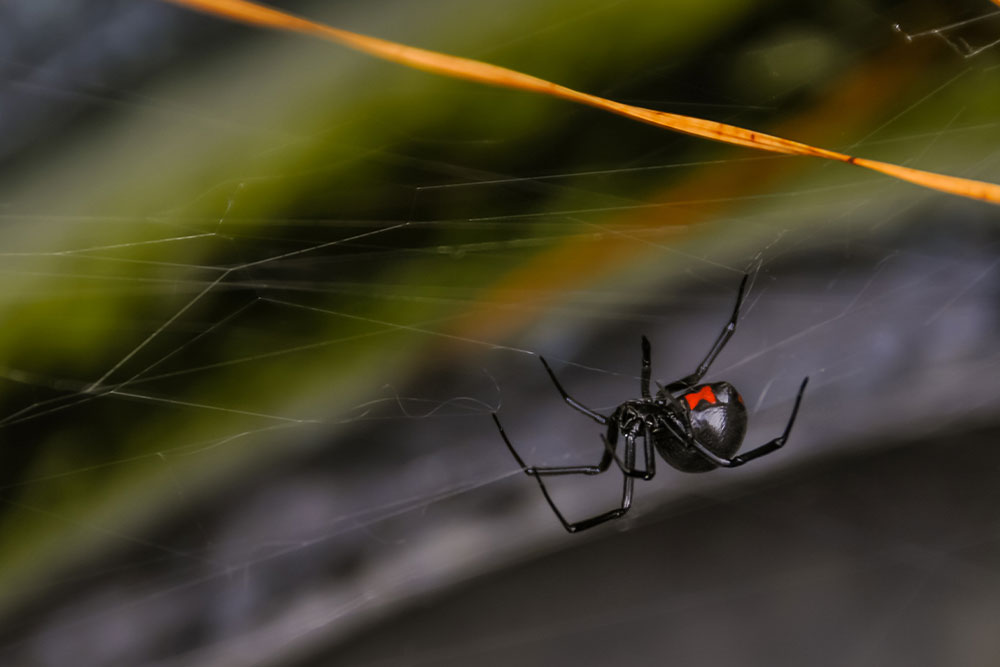
Most spider species found in the Southwest are harmless to pets. Two species carry venom capable of causing serious injury: black widows and brown recluses. They work very differently, which is why the emergencies they cause look very different.
Black Widow Spider Bites
Black widow venom is a neurotoxin called alpha-latrotoxin that triggers a massive release of neurotransmitters at nerve-muscle junctions, causing uncontrolled muscle activity, severe pain, and systemic neurological effects. Cats are significantly more sensitive to black widow venom than dogs; even a single bite can be fatal in a cat without treatment.
Black widow spider bite poisoning in cats produces a recognizable clinical picture. Signs typically develop within one to three hours:
- Severe muscle pain and rigidity, often affecting the entire body
- Tremors and visible muscle fasciculations
- Excessive drooling and salivation
- Elevated heart rate
- Difficulty breathing
- Paralysis, collapse
Spider envenomation in cats and small dogs should always be treated as a potential emergency. Black widows are common across northern Arizona, found in woodpiles, outbuildings, under rocks, and in cluttered garage corners.
Brown Recluse Spider Bites
Brown recluse venom is cytotoxic rather than neurotoxic: it destroys tissue at and around the bite site. Initial signs are often subtle, which is what makes brown recluse bites particularly deceptive. A small red mark or mild swelling at the bite site progresses over 24 to 72 hours into a necrotic wound with a darkened, dying center that can be slow to heal and may require surgical debridement.
Spider bites from brown recluse may also produce systemic effects in severe cases: fever, lethargy, vomiting, and in some patients hemolysis (destruction of red blood cells), particularly in smaller animals. Brown recluse bites frequently go unwitnessed. Any wound that is not healing normally over several days, particularly one with tissue darkening or progressive breakdown, warrants veterinary evaluation regardless of whether a bite was observed.
Recognizing Spider Bite Symptoms
Handling spider bites in pets starts with recognizing the signs, many of which point toward a bite even when no one in the household saw it happen.
Local signs:
- Swelling, redness, or warmth at the bite site
- A small puncture wound or developing blister
- Progressive tissue discoloration over 24 to 72 hours
- Excessive licking or attention to one area
Systemic signs requiring immediate emergency evaluation:
- Sudden severe pain or vocalizing with no obvious injury
- Muscle rigidity or tremors
- Excessive salivation
- Lethargy in dogs or cats that has come on suddenly
- Vomiting and diarrhea alongside neurological signs
- Difficulty breathing, collapse
Any systemic sign after suspected envenomation means call us at 928-779-5522 immediately rather than waiting.
The Arizona Bark Scorpion: The Species That Changes Everything
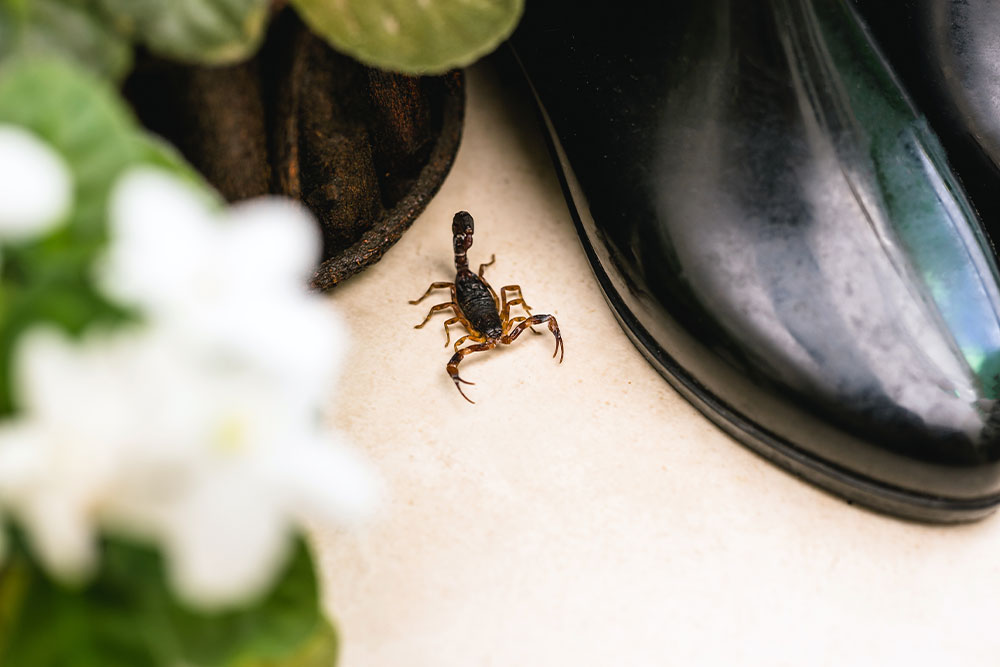
Most scorpions found in Arizona produce venom that causes significant localized pain but limited systemic effects. The Arizona bark scorpion is the exception. It is the most venomous scorpion in North America, and it is also the most common scorpion in Flagstaff and the surrounding region.
Scorpion season pet safety requires understanding that bark scorpions are nocturnal, small, capable of climbing walls and squeezing under doors, and difficult to see in low light. Pets are typically stung on the paws or face while investigating. Bark scorpions shelter under rocks, in crevices, under bark, and in clutter inside and outside the home.
Signs of a Scorpion Sting
Mild to Moderate Envenomation
- Sudden pain and limping if stung on a paw
- Pawing at the face, excessive rubbing
- Localized swelling at the sting site
- Restlessness, distress
Severe Envenomation (Bark Scorpion)
Keeping pets safe from scorpion stings requires knowing that bark scorpion envenomation can escalate rapidly in cats and small dogs:
- Muscle tremors and uncontrolled movement
- Hypersalivation and drooling
- Rapid, irregular eye movements (nystagmus)
- Difficulty swallowing
- Respiratory distress
- Loss of coordination or paralysis
- Collapse
A scorpion sting in cats is an emergency. Cats develop more severe neurological signs from bark scorpion venom than dogs and have higher mortality without prompt treatment. If your cat was stung and is showing any of the severe signs above, call 928-779-5522 immediately while heading in.
What to Do in the First Minutes
- Remove your pet from the area to prevent additional stings or bites
- Note the time and which body part was affected
- Do not squeeze, cut, or try to suction the bite or sting site
- Do not apply ice directly to the skin or use any home remedy without guidance
- Photograph the spider or scorpion from a safe distance if possible; species identification aids treatment
- Contact us or poison control immediately; do not wait for symptoms to worsen
- Keep your pet calm and still during transport
Save 928-779-5522 in your phone before you ever need it.
How We Evaluate and Treat Envenomation
Physical examination on arrival focuses on the wound site, neurological status, pain level, heart rate, and respiratory effort. Baseline diagnostics including bloodwork assess organ function and red blood cell integrity, which is particularly relevant for brown recluse bites that can cause hemolysis.
Treatment approaches by envenomation type:
- Black widow or bark scorpion (neurotoxic): IV fluids, pain management, muscle relaxants, respiratory support if breathing is affected, close monitoring through the acute phase
- Brown recluse (cytotoxic wound): wound cleaning, antimicrobials, pain management, debridement as tissue damage declares itself, and monitoring for systemic effects
- Anaphylactic reaction to any sting: emergency treatment for allergic reactions and shock
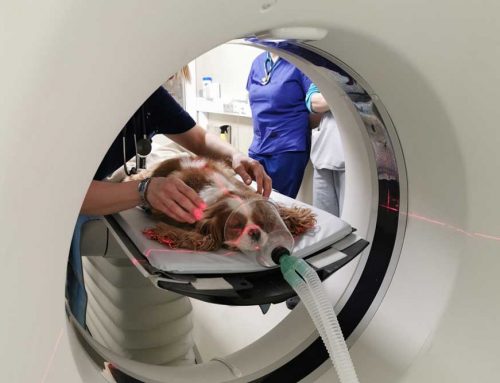
For severe cases requiring advanced imaging or intensive monitoring, our CT scanner and critical care capabilities are available on site. Our team is experienced with the specific envenomation patterns of northern Arizona species.
Wound Care After a Spider Bite
Brown recluse wounds require ongoing monitoring because tissue damage can continue progressing for days to weeks after the initial bite. Follow-up includes assessment of wound edges and depth, debridement of necrotic tissue as needed, antibiotic therapy when secondary infection develops, and in some cases reconstructive management for deep or slow-healing wounds. Managing these wounds at home without guidance risks missing infection or further tissue loss until it requires more significant intervention.
Prevention at Home and Outdoors
Reducing envenomation risk in northern Arizona:
- Shake out shoes, boots, and gear left in the garage before wearing them
- Keep woodpiles and rock piles away from the home’s perimeter
- Seal gaps under doors and around pipes
- Clear clutter from garages, basements, and storage areas where spiders and scorpions shelter
- Inspect outdoor furniture and pet bedding regularly, or keep them off the ground
- Consider pet-safe pest management in high-risk areas, particularly around the foundation
These steps reduce risk meaningfully but do not eliminate it entirely. Knowing the signs of envenomation is as important as prevention.
Frequently Asked Questions
How do I know if my pet has a spider bite or just a regular wound?
A bite that is not healing, is growing darker at the center, or has a progressing zone of discoloration over 24 to 72 hours should be evaluated. Wounds that remain static or improve with basic cleaning are less concerning, but any uncertainty warrants a call.
Are cats or dogs more sensitive to these venoms?
Cats are significantly more sensitive to both black widow and bark scorpion venom than dogs. Small dogs are also at higher risk than large dogs due to the higher venom-to-body-weight ratio.
My pet was stung and seems fine now. Do I still need to come in?
For bark scorpion stings, yes. Neurological signs can develop over the first few hours after a sting that initially appeared minor. A pet who was stung and seems okay is worth at minimum a phone call to assess.
Is there antivenom for spider bites or scorpion stings?
There is no commercially available antivenom for black widow or brown recluse bites in veterinary medicine in the US. Treatment is supportive. Bark scorpion antivenom exists for people; its use in pets involves risk-benefit considerations discussed case by case.
Can I give Benadryl at home after a sting?
Do not give any medication without calling us first for guidance specific to your pet’s weight and situation.
When in Doubt, Call
Most pets who receive prompt veterinary care after a venomous spider bite or scorpion sting recover fully. The outcomes families fear most are most often associated with delayed treatment. When something looks wrong after an outdoor exposure or suspected encounter, calling 928-779-5522 immediately is always the right move. Our team would far rather assess a pet who turns out to be fine than learn a family waited too long.
Contact us or come directly to our facility when your pet cannot wait.




Leave A Comment