

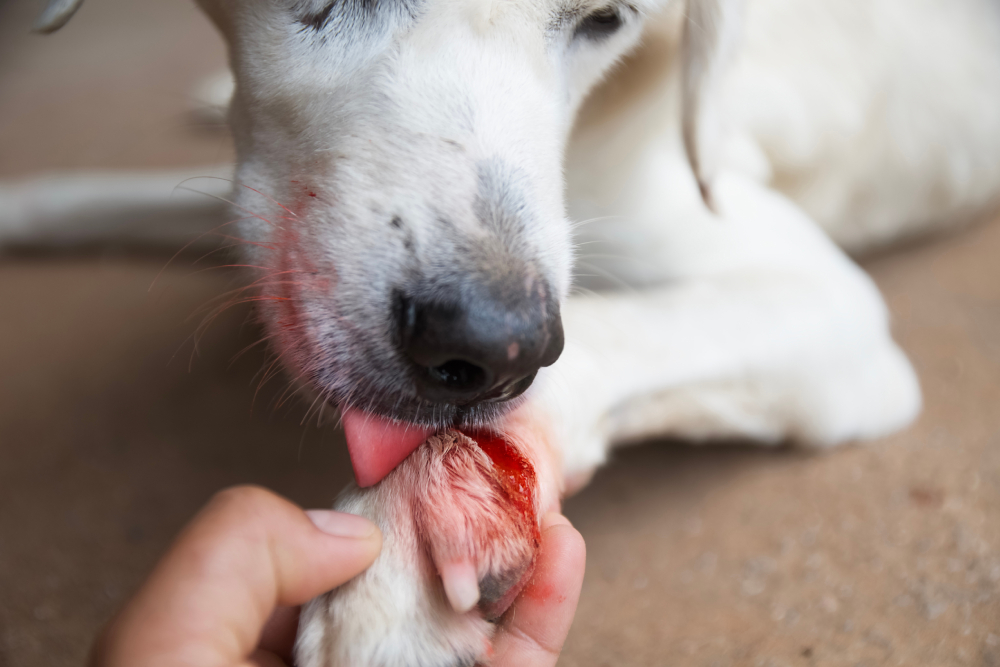
The minutes between the injury and the exam table belong to you, and what you do with them genuinely changes outcomes. Control obvious bleeding with steady pressure. Keep the airway clear and let a struggling pet choose their own position. Do not straighten a broken limb or pull out anything lodged in a wound. Cool a heat-stroke patient on the drive rather than waiting until you arrive. Move a badly hurt pet on something flat and rigid instead of carrying them in your arms. What you skip matters as much as what you do, because internet home remedies, forced water, and a poorly tied splint all cost time our team could put toward real care.
Veterinary Emergency and Specialty Center of Northern Arizona in Flagstaff sees pets after car accidents, rattlesnake bites, heat stroke on the trails, and household trauma, and the families who handled the first ten minutes well are the ones whose pets walk in with the best runway. We are open around the clock on weekends, Friday evening through Monday morning, with a CT scanner, in-house lab, ultrasound, and digital X-ray ready for trauma and critical care the moment your pet arrives. If your pet is bleeding heavily, struggling to breathe, seizing, or unresponsive, call our emergency team on your way in so we are ready at the door.
Start Here: The Rules That Apply to Every Emergency
- Assume a hurt pet will bite, even a gentle one, and handle them accordingly before you start any first aid.
- Pressure stops bleeding, stillness protects fractures, and position protects breathing, and all three are things you can do without equipment.
- Cooling a heat-stroke patient and immobilizing a snakebite patient both need to happen on the drive in, not after you arrive.
- Move a seriously injured pet on a flat, rigid surface rather than in your arms, and call ahead so we can meet you at the door.
What Can First Aid Actually Do at Home?
First aid stabilizes your pet for the trip in. It slows blood loss, protects an airway, keeps an injury from getting worse, and buys the minutes that matter. What it cannot do is replace imaging, medication, or surgery, and no amount of good home care substitutes for getting on the road.
Think of it as a bridge. A folded towel pressed hard on a wound slows bleeding, but only an exam and imaging tell us whether the femur is broken or the spleen is bleeding into the abdomen. The goal at home is never to fix the problem. It is to hand us a pet in the best possible condition to be fixed.
How Do You Handle a Pet Who Is Hurting and Might Bite?
Assume any pet in serious pain will bite, including the one who has never so much as growled at you. This is not a behavior problem, it is a reflex, and it fires before your dog recognizes your hands. Getting bitten during a rescue turns one emergency into two, so how you approach a hurt pet comes before any first aid you plan to do.
Move slowly and talk low. Approach from the side rather than head-on, and touch a shoulder or hip first so your pet knows where you are before you get near the injury.
For dogs, a soft muzzle or an improvised one buys real safety: a loop of gauze roll, a leash, or a long stocking laid over the bridge of the nose, crossed under the chin, and tied behind the ears. A cone (Elizabethan collar) or towel draped loosely over the head can also work to prevent a bite. The rules on when not to muzzle matter enormously:
- Never muzzle a pet who is struggling to breathe. Panting is how they cool and move air, and closing the mouth on a pet in respiratory distress can be fatal.
- Check gum color. Gums should be bright pink. Any switch to blue, purple, or pale should trigger removing the muzzle.
- Never muzzle a pet who is vomiting or one who may vomit, because of the choking risk.
- Skip it on flat-faced breeds, since there is not enough muzzle to secure and they depend on open-mouth breathing.
- Take it off the moment your pet’s breathing changes, and never leave a muzzled pet unattended.
Cats are a different problem. A frightened, hurting cat is faster than you are, so reach for a thick towel instead of your bare hands. Drape it over the whole cat including the head, then scoop and wrap so the legs are contained. A laundry basket or a carrier with a removable top works better than trying to push a resisting cat through a small door.
Should You Put a Cone on Before You Leave?
If your pet is licking, chewing, or rubbing at an injury, yes, and it is one of the most underrated moves in home first aid. A pet who works at a wound on the drive over can reopen it, drive bacteria deeper, or destroy the tissue we were planning to close. A dog who rubs an injured eye against the seat can turn a treatable corneal scratch into a ruptured globe in the space of a twenty-minute drive. If you have an Elizabethan collar in the closet, put it on before you load up.
How Do You Stop Serious Bleeding?
Direct, firm, uninterrupted pressure. That is the whole technique, and it works far better than most people expect, but it fails for one predictable reason: checking too soon. Every time you lift the cloth to look, you tear away the clot that was forming and start the clock over.
Press a clean cloth, gauze, or even a folded shirt directly onto the wound and hold it for a full ten minutes without peeking. If blood soaks through, add another layer on top rather than removing the first. Elevating a bleeding leg above the level of the heart helps if your pet tolerates it without a fight. Do not apply a tourniquet unless we have specifically walked you through it, since a badly placed one can cost the limb.
Wounds worth coming in for even when the bleeding stops:
- Bite wounds: The skin puncture is the smallest part of the injury. Bites from another animal crush and tear the tissue underneath and inject bacteria deep, so they almost always need care even when they look minor.
- Deep or gaping cuts: Lacerations that expose tissue or keep reopening need cleaning and closure, and they close best within the first several hours.
- Burns: With burns, the damage runs deeper than the surface suggests. Run cool water over the area, cover loosely, and skip any ointment.
- Anything to the chest or belly: A puncture to the chest or abdomen can involve organs and internal bleeding you cannot see, and a sucking chest wound needs to be covered with something airtight on the way in.
Bleeding that pulses with the heartbeat, will not slow after fifteen minutes of hard pressure, or comes with pale gums and weakness means severe blood loss, and controlling serious bleeding at that point needs fluids, transfusion capability, and hospital-level care rather than another towel.
What Do You Do for a Broken Bone?
Support it, do not straighten it, and absolutely do not splint it. This is the single most common place good intentions cause harm. A splint applied over a fractured limb by someone without training can push bone ends through muscle, cut off circulation, or convert a closed fracture into an open one, and we regularly see more damage from the splint than from the original injury.
Instead, immobilize the whole pet rather than the limb. Slide your pet onto something flat and rigid, cushion the broken leg with a rolled towel in whatever position it is already lying, and keep them still for the drive.
A few specifics on broken bones worth knowing before you need them:
- Leave the limb where it lies. The position it settled into is the one that hurts least.
- Cover an open fracture with a clean, lightly dampened cloth. Never push exposed bone back under the skin.
- Do not give human pain medication. Ibuprofen, naproxen, and acetaminophen are toxic to pets, and acetaminophen can kill a cat with a single tablet.
- Skip food and water. A fracture likely means anesthesia, and an empty stomach makes that safer.
A dog who has been hit by a car needs to be seen even if the leg looks like the only problem, because the chest and abdominal injuries that come with that kind of impact are frequently silent for the first hours.
How Should You Position a Pet Who Cannot Breathe?
Let them choose, and then leave them alone. A pet in respiratory distress has already found the position that moves the most air, usually sitting or lying on the chest with the elbows pushed out and the neck stretched forward. Forcing them onto their side, into your lap, or flat inside a carrier can collapse the only arrangement that is working.
Stress alone kills pets in respiratory distress, so the goal during transport is the least handling possible. Carry rather than let them walk. Skip the muzzle entirely. Turn the AC up and keep the car cool, since heat makes breathing worse. Keep them calm and quiet, and resist the urge to hold, examine, or comfort a struggling pet with a lot of touching.
Signs that put a pet in this category: open-mouth breathing in a cat, which is always an emergency and never normal; gums that look blue, gray, or muddy; a stretched-out neck with elbows held away from the body; belly heaving with each breath; or noisy, honking, high-pitched breathing. Get moving and call from the road, because our team can start oxygen and rapid stabilization the moment you pull in rather than during a triage conversation at the counter.
How Do You Cool a Pet With Heat Stroke on the Way In?
Start cooling immediately and keep it going for the entire drive. Heat stroke damages organs by the minute, and cooling that begins at home and continues in the car buys far more than cooling that starts when you arrive. A summer hike, a dog running hard at altitude, or a pet left in a car can all produce a genuine emergency in well under an hour.
Get your pet out of the heat, then get water onto the places where blood runs closest to the surface: the belly, the armpits, the groin, and the paw pads. Cool tap water is the goal, not ice and not an ice bath, since ice-cold water clamps down the surface vessels and traps heat in the core. Then add moving air, because evaporation is what actually pulls heat away. In the car, that means AC on full with the vents aimed at the wet fur.
Two mistakes to avoid: do not drape a wet towel over your pet, since fabric sitting on the body holds heat against the skin rather than releasing it, and do not force water into a pet who is wobbly, vomiting, or barely conscious. Small sips are fine if they want them.
Keep in mind that a pet who cools down and perks up is not out of the woods. Heat injury keeps declaring itself for one to three days afterward through the kidneys, liver, gut, and clotting system, which is why these patients get bloodwork and monitoring rather than a quick check and a trip home.
What Should You Do for a Rattlesnake Bite?
Keep your pet as still as possible and drive. Movement pumps venom through the body faster, so the most useful thing you can do is carry your dog rather than let them walk, keep them calm, and get to us quickly. Antivenom works best early, and in rattlesnake country that timeline is the whole game.
If the bite is on the face or neck, take the collar off right away, because the swelling that follows can compress the airway. Keep the bitten area at or below heart level if you can do it without a struggle. Then leave the wound alone.
Everything in the old first-aid folklore makes it worse:
- No tourniquet. It concentrates venom in the tissue and costs limbs.
- No ice. Cold worsens tissue damage at the bite.
- No cutting or suction. Cutting the wound adds trauma and infection, and suction devices remove essentially no venom.
- No Benadryl as treatment. It does nothing to venom. Give it only if we tell you to.
A snakebitten pet who seems fine on arrival can still deteriorate over the following hours, since swelling, clotting failure, and blood pressure changes build gradually. Any known or suspected bite gets evaluated, even a dry-looking one.
What If Your Pet Swallowed Something Toxic?
Call before you do anything, and do not induce vomiting on your own. For caustic cleaners, batteries, and petroleum products, bringing it back up burns the esophagus a second time, and a pet who is groggy or seizing can aspirate what comes up. Reaching pet poison control or calling us takes ninety seconds and tells you whether vomiting helps or harms.
The Pet Poison Helpline (855-764-7661) and the ASPCA Animal Poison Control Center (888-426-4435) are both worth saving in your phone right now. Common culprits include chocolate, xylitol in sugar-free gum, grapes and raisins, lilies for cats, rodent bait, antifreeze, marijuana, and human medications.
Bring the packaging, and note the time and the rough amount if you can. That information shapes everything, and it lets our team start toxin assessment and decontamination immediately rather than working backward from symptoms.
When Do You Step In for Choking or CPR?
Choking looks frantic: pawing at the mouth, gagging, blue-tinged gums, and obvious panic. If you can clearly see an object, sweep it out with a finger, but never reach blindly into the throat, since a hooked finger can push an object deeper. The Heimlich instructions for a choking dog cover safe abdominal thrusts, and for cats and small dogs the same technique needs much gentler pressure. Even when the object comes out, come in, because the throat trauma and aspiration that follow can show up hours later. Our team handles airway emergencies and lodged objects frequently.
CPR is only for a pet who is unresponsive, not breathing, and has no heartbeat. Check before you start, because compressions on a pet with a pulse can cause real injury. You can usually feel a heartbeat through the chest on the left side, right behind the elbow. If there is truly nothing, lay your pet on their side, deliver firm chest compressions, and give rescue breaths through the nose with the mouth held closed. Knowing the rate and rhythm for pet CPR before you need it is what lets you act in the seconds that count, and any pet who needs CPR needs to be in the car the moment they come back.
How Do You Build a Stretcher and Move a Pet Safely?
For any pet who cannot walk, has been hit by a car, or might have a spinal injury, get them onto something flat and rigid rather than lifting them in your arms. Carrying a dog against your chest lets the spine sag and twist with every step, and that motion is what turns a stable spinal injury into a permanent one.
Look around for something rigid and flat: a shelf board, a cookie sheet, an ironing board, a piece of plywood, or a sturdy box lid. Slide your pet onto it rather than lifting, ideally with one person supporting the head and neck while another guides the hips, keeping the whole spine in a straight line. If nothing rigid is available, a blanket or towel held taut at all four corners by two people works, though it flexes and is second choice for a suspected back injury.
For everything else, size guides the method:
- Cats and small dogs: A carrier is safest, and a towel-lined box with high sides works if you do not have one. Load through the top rather than pushing a hurting cat through the door.
- Medium dogs: A blanket used as a sling, or one person supporting the chest and another the hindquarters.
- Large dogs: Two people and a rigid surface. Do not attempt this alone if you can avoid it, and call us, because our team can meet you at the vehicle and help lift.
Once your pet is loaded, keep the car quiet and cool, drive steadily rather than fast, and have someone else call ahead if you can. That call lets us prepare a room and meet the most critical patients curbside.
How Do You Prepare Before Anything Goes Wrong?
The families who handle emergencies best prepared when nothing was wrong. Four things make the difference, and none of them take long.
Take a hands-on class. Reading about compressions is not the same as feeling the rhythm under your palms. A pet first aid class turns advice into muscle memory, which is what you actually draw on when adrenaline takes over.
Memorize the red flags. Knowing the signs that mean an emergency ahead of time saves the minutes usually lost to second-guessing: trouble breathing, uncontrolled bleeding, collapse, seizures, a bloated belly, pale gums, repeated unproductive retching, and any major trauma.
Practice being handled. Cooperative care, meaning a few minutes a week getting your pet comfortable with paws, ears, and mouth being touched, pays off enormously when you have to press on something sore.
Stock a kit and plan the money. Keep one at home and a duplicate in the car.
| Category | What to include |
| Wound care | Gauze pads, self-adhesive wrap, clean cloth, saline, blunt scissors |
| Bleeding control | Styptic powder for nails, extra gauze for firm pressure |
| Handling | Soft muzzle, spare leash, thick towel, an E-collar |
| Transport | A carrier for small pets, and a known flat rigid surface for large ones |
| Information | Our address, poison hotline numbers, your pet’s records and medication list |
| Extras | Digital thermometer, tweezers, disposable gloves |
Cost should not be the thing standing between your pet and care, so setting aside emergency savings or looking into pet insurance before you need it is worth an afternoon.
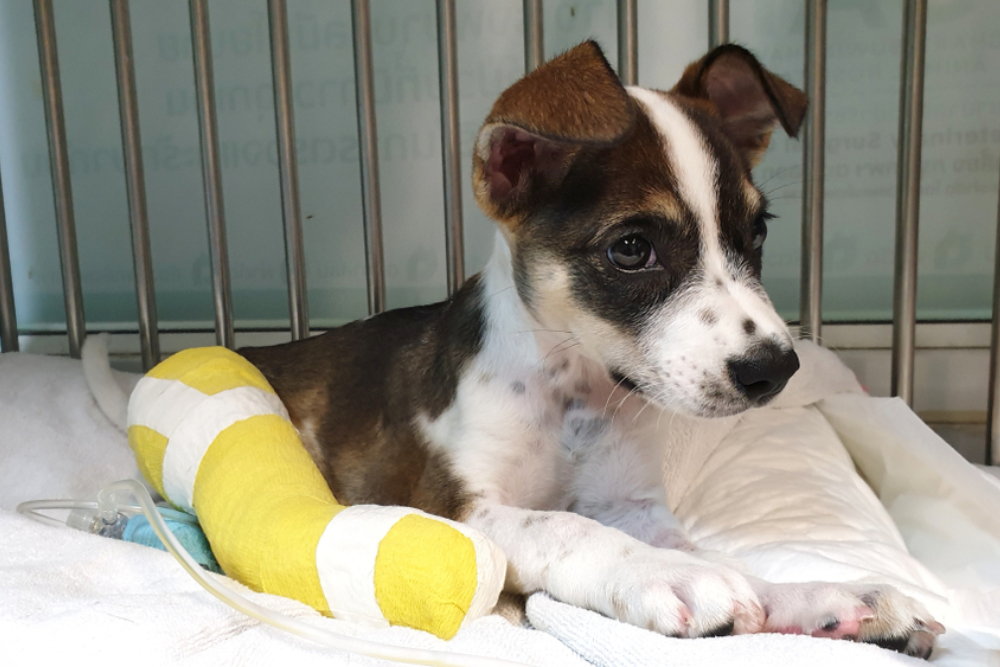
Frequently Asked Questions About Pet First Aid and Transport
Should I try to make my pet vomit if they ate something toxic?
Not on your own. Caustic cleaners, batteries, and petroleum products cause more damage coming back up, and a groggy or seizing pet can choke on what comes out. Call poison control or call us first. If vomiting is the right move, we will walk you through it, or we will handle decontamination here with the packaging you bring.
My pet is limping badly. Should I splint the leg before we drive over?
Please do not. Splints applied without training frequently cause more harm than the fracture did, including cutting off circulation or pushing bone through skin. Cushion the leg where it lies with a rolled towel, keep your pet still on a flat surface, and let us image it and stabilize it properly.
My pet seems fine after choking, a fall, or a scare. Do I still need to come in?
Usually yes. Choking can leave throat trauma or aspiration pneumonia that surfaces hours later. Falls and vehicle impacts produce chest and abdominal injuries that stay quiet at first. Pets are experts at masking how they feel, so a normal-looking pet in the first hour can still be hiding something that matters.
Can I give my dog Benadryl or aspirin before we come in?
Ask us before giving anything. Aspirin and other human anti-inflammatories cause stomach ulceration and kidney injury in pets and complicate the medications we would otherwise use, and acetaminophen can be fatal to cats. Benadryl has real uses, but it does nothing for snake venom or pain, and it can mask signs we need to see.
We Are Here When the Weekend Turns Into an Emergency
First aid is the bridge, not the destination. Pressure on a wound, stillness for a fracture, cool water on the drive, a position left alone so a pet can breathe, and a flat board under a dog who cannot stand are all things that cost you nothing and genuinely change what we are working with when you arrive.
Build the kit, learn the moves, save the numbers, and know the route now, so a frightening night runs on a plan instead of a search bar. When trauma, poisoning, a snakebite, or a breathing crisis hits, our team is ready with the imaging, surgery, and critical care your pet needs. If something feels wrong, do not wait it out. Call us and come in, and let us take it from there.




Leave A Comment