

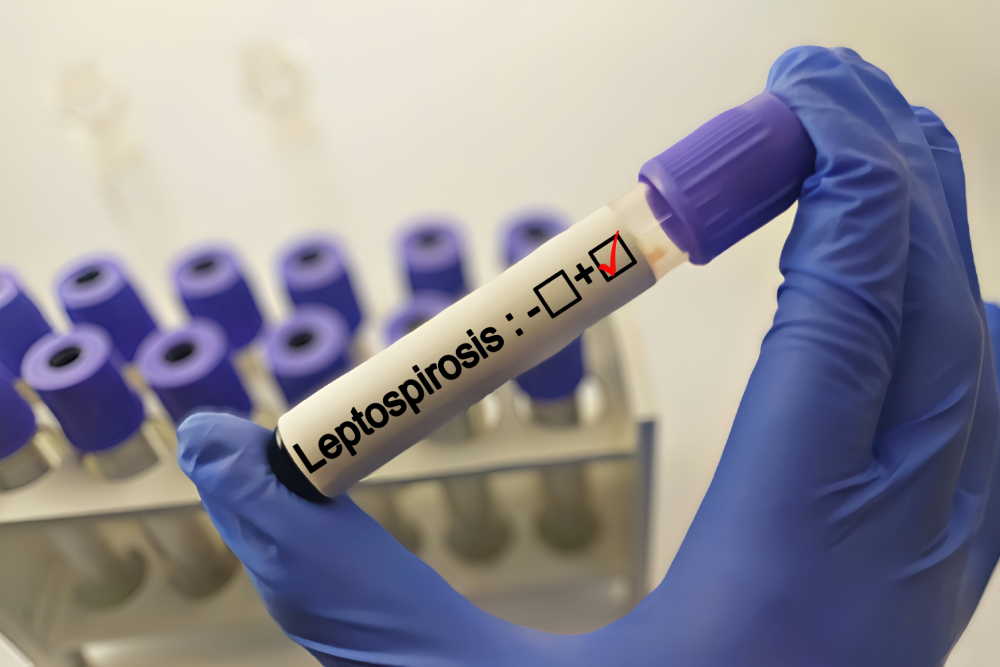
Leptospirosis is a bacterial infection dogs contract through contact with contaminated water, soil, or the urine of infected wildlife, and it is one of the most widespread zoonotic diseases in the world, meaning it can also pass to people. The bacteria attack the kidneys and liver and can progress quickly from early flu-like symptoms to organ failure. The range of severity is wide, which is part of what makes it easy to miss at first: your dog might just seem a little off before things take a sharp turn.
The window between “a little off” and acute kidney injury can be as short as 24 to 48 hours, which is why leptospirosis is worth taking seriously before it turns into an after-hours scramble. Veterinary Emergency and Specialty Center of Northern Arizona has the advanced diagnostics to assess organ involvement quickly when a dog comes in showing concerning signs, and our weekend emergency hours run Friday at 5pm through Monday at 8am. If you have questions about leptospirosis risk in northern Arizona or want to think through whether your dog’s history puts them in a higher-risk category, reach out to us.
What Every Northern Arizona Dog Family Should Know
- It is a bacterial infection that spreads through contaminated water, soil, and the urine of infected animals like rodents, wildlife, and livestock.
- It is zoonotic, so infected dogs can transmit it to people, particularly through urine contact.
- Severity varies widely, from mild illness to acute kidney and liver failure, and rapid treatment substantially improves outcomes.
- The vaccine is risk-based, and many “low-risk” dogs actually have meaningful exposure potential worth discussing.
What Is Leptospirosis and How Does It Spread?
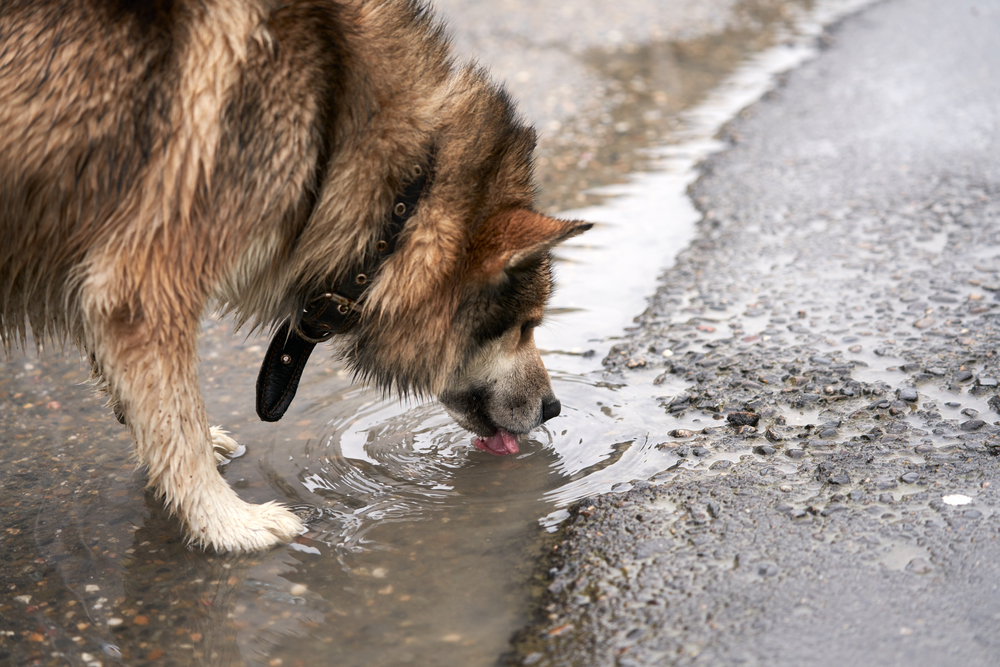
Leptospirosis is caused by spirochete bacteria (Leptospira species) that survive in warm, moist environments and are shed in the urine of infected animals. The main routes of leptospirosis transmission are direct contact with infected urine (even small amounts on shared surfaces), contaminated water like puddles, ponds, streams, and standing water, and contaminated soil where the bacteria persist for weeks in damp conditions. Less common routes include bites from infected animals and ingestion of infected tissue.
Wildlife keep the bacteria circulating year-round. Rats, mice, raccoons, skunks, opossums, deer, and livestock all maintain Leptospira in spaces they share with dogs. Urban and suburban dogs face real exposure because rodent populations live right alongside our homes and yards, and while the bacteria thrive in warmer, wetter conditions, they survive in colder climates too.
Globally, leptospirosis is one of the most widespread zoonotic diseases affecting people, dogs, and many other species, and leptospirosis in urban rats has made it a One Health concern even in neighborhoods most families would not think of as high risk.
Which Dogs Are Most at Risk for Leptospirosis?
Several factors increase your dog’s exposure:
- Outdoor access near water: dogs that swim, drink from puddles, or hike near streams.
- Wooded or rural areas: denser wildlife reservoirs mean higher exposure.
- Urban and suburban rats: significant rat populations create real risk even for indoor-mostly dogs with brief yard access.
- Wet, warm conditions: standing water and seasonal flooding amplify exposure.
- Hunting and farm dogs: both have higher exposure rates.
- Travel to high-risk areas: dogs that travel with you to regions with active outbreaks.
Northern Arizona dogs face meaningful exposure during monsoon season when standing water becomes common, around stock tanks and ponds, and where rodent populations are dense. The mix of altitude and intermittent moisture lets Leptospira persist longer than you might expect for a high-desert climate.
The old assumption that only rural or certain-breed dogs need protection no longer holds. Current understanding of canine leptospirosis risk puts small breeds, urban dogs, and mainly-indoor dogs all in the at-risk category. Cats can be infected but develop clinical disease far less often, though leptospirosis in cats is an emerging concern in feline medicine.
Have There Been Leptospirosis Outbreaks in Arizona?
Yes. Leptospirosis is uncommon in Arizona, but it is far from unheard of, and clusters can appear suddenly. Right in our region, Yavapai County confirmed two canine cases in the Verde Valley in 2025, and the Phoenix metro saw a documented run of cases a few years before that. Rare does not mean it cannot reach your dog.
Those two Verde Valley cases confirmed by Yavapai County in 2025 are a reminder that the bacteria are active close to home. Farther south, roughly 60+ dogs were diagnosed across Maricopa County between January 2016 and June 2017, proof that even a dry, urban metro is not exempt. And outbreaks can scale fast: in 2021, about 200 dogs in the Los Angeles area were swept up in an outbreak traced largely to doggy daycares, where unvaccinated dogs mixing in one place let it spread quickly. The pattern is consistent: leptospirosis is sporadic but real, it shows up in urban and suburban settings people assume are safe, and a cluster can emerge with little warning, which is exactly why risk-based vaccination and prompt evaluation matter.
What Are the Signs of Leptospirosis in Dogs?
Severity ranges widely from mild illness to acute organ failure, and the signs escalate as the infection progresses:
| Stage | Signs | Urgency |
| Early / mild | Fever, lethargy, decreased appetite, muscle pain or stiffness, mild vomiting or diarrhea | Monitor closely and call your vet |
| Moderate | Vomiting and diarrhea (sometimes bloody), increased thirst and urination, decreased urination, jaundice (yellow gums, eyes, skin), reluctance to move, continued fever | Urgent evaluation |
| Severe | Acute kidney failure signs (no urine, severe lethargy, collapse), bleeding (nosebleed, bloody stool, bruising), respiratory distress from pulmonary hemorrhage, severe weakness, coma | Emergency now |
Signs can escalate fast: a dog who seems a little off on Friday can be in organ failure by Sunday. Early evaluation significantly affects outcomes, so if your dog has been in high-risk environments and is showing any of these signs, do not wait. Any signs of respiratory distress, urinary tract symptoms, vomiting and diarrhea, or unexplained bleeding should trigger a trip to the ER.
How Does Leptospirosis Damage the Kidneys and Liver?
The bacteria enter the bloodstream and spread to the kidneys and liver, where they trigger inflammation that disrupts organ function. Direct damage to kidney tubular cells happens alongside an inflammatory response that worsens it. Acute kidney injury is the most common life-threatening complication, and some dogs progress to low or no urine production (oliguric or anuric failure), which carries high mortality even with aggressive treatment. Survivors may be left with lasting kidney damage requiring long-term management.
Liver involvement shows up as jaundice (yellow gums, eyes, skin), elevated liver enzymes, clotting abnormalities from reduced clotting-factor production, and, in severe cases, hepatic encephalopathy affecting behavior and neurologic function. The window matters: treatment started in the first 24 to 48 hours of clinical signs produces dramatically better outcomes than treatment started days later.
Why Is Leptospirosis Hard to Diagnose?
Leptospirosis is genuinely hard to confirm quickly, and a few realities make the diagnostic challenge stubborn: the signs (GI upset, fever, lethargy) overlap with dozens of other diseases, bloodwork changes like elevated kidney and liver values are not specific to it, and the confirmatory tests have real limitations. The microscopic agglutination test (MAT) is the gold standard but needs paired samples collected weeks apart, while PCR is faster but only works if the bacteria are actively shedding when sampled.
The practical upshot is that treatment often begins on clinical suspicion before confirmation, since waiting for a definitive answer is dangerous when a dog is already in early kidney failure. The standard workup for diagnosing and treating leptospirosis reflects that reality.
Our in-house bloodwork and urinalysis give same-day results on the baseline screening tests. Send-out confirmatory tests follow, but we start treatment empirically when clinical suspicion is high.
How Is Leptospirosis Treated in Dogs?
Treatment has two components: antibiotics and supportive care.
Antibiotic therapy:
- Doxycycline is the drug of choice. It clears the active infection and eliminates the carrier state in which recovered dogs keep shedding bacteria in urine.
- A typical course runs about two weeks at an appropriate dose.
- Penicillins are sometimes used early in dogs who cannot tolerate doxycycline at first.
Supportive care:
- IV fluids to support the kidneys and correct dehydration.
- Anti-nausea medication to control vomiting and allow nutrition.
- Nutritional support, including assisted feeding if needed.
- Frequent bloodwork to monitor organ values.
- Blood transfusion for severe clotting problems or pulmonary hemorrhage.
- Dialysis at specialty centers for severe oliguric or anuric kidney failure.
Severely affected dogs may need days to weeks of hospitalization, and some survive the acute episode but require long-term management of chronic kidney disease afterward. We can stabilize severe leptospirosis cases during our weekend emergency hours and coordinate transfer for specialty interventions like dialysis when a case calls for it.
Can Leptospirosis Spread to My Family?
Infected dogs shed bacteria in urine during active illness and during a recovery carrier phase, and people can be infected through direct contact with that urine, contact with broken skin, splashes to the eyes, nose, or mouth, or contaminated surfaces. The risk is real but manageable with sensible precautions.
Wear gloves when handling urine, bedding, or potentially contaminated areas, wash hands thoroughly afterward, and keep infected urine away from broken skin. Disinfect contaminated areas with a 10% bleach solution, bathe your dog to remove urine from the fur, and restrict access to soiled areas until they are cleaned. Immunocompromised people, young children, elderly household members, and pregnant family members should minimize direct contact during active treatment, and anyone concerned about their own exposure should consult their physician, since human leptospirosis is treatable with antibiotics when caught early.
Who Should Get the Leptospirosis Vaccine?
Vaccination is the most important prevention tool. The current AAHA vaccination guidelines classify leptospirosis as a core vaccine, meaning every dog should have it regardless of breed or lifestyle. Current vaccines cover four major serovars (Canicola, Icterohaemorrhagiae, Grippotyphosa, Pomona) that account for most clinically significant infections, matching the most common disease-causing strains even though they do not cover every serovar.
The standard schedule is an initial two-dose series given 2 to 4 weeks apart, starting at an appropriate puppy age, followed by annual boosters.
Here is the honest picture: many dogs once considered low-risk have meaningful exposure. A small dog who only goes in the backyard for bathroom breaks still encounters rodent urine and standing water, so “indoor-mostly” does not mean “no exposure.”
How Can I Reduce My Dog’s Leptospirosis Exposure?
Two fronts reduce exposure: the environment your dog lives in, and what they encounter when they leave it.
| Where | What helps |
| At home | Manage rodent populations through professional pest control or exclusion; remove standing water from yards; cover or empty bird baths and outdoor water sources regularly; secure trash to discourage wildlife; compost properly to avoid attracting rodents; keep livestock and wildlife exposure managed |
| Outdoors | Avoid letting your dog drink from puddles, streams, ponds, or stock tanks; bring fresh water on outings; limit access to areas with high rodent activity; after hikes, towel-dry feet and check for any wounds |
These steps reduce but cannot eliminate risk, which is why vaccination remains the most reliable layer. Combining environmental management with appropriate vaccination gives the most complete protection.
Frequently Asked Questions About Leptospirosis
My dog is vaccinated for leptospirosis. Are they fully protected?
The vaccine substantially reduces risk but does not provide complete protection. Vaccinated dogs that still contract leptospirosis usually have milder disease and better outcomes, so pair vaccination with environmental management.
How long does treatment take?
Most dogs are hospitalized 3 to 7 days for IV fluids and monitoring during the acute phase, then finish the roughly two-week antibiotic course at home. Severely affected dogs need longer, and some manage chronic kidney disease for life afterward.
Can my dog catch leptospirosis from another dog?
It can happen, through contact with an infected dog’s urine. Most cases come from wildlife exposure, but dog-to-dog transmission does occur in kennel, daycare, and household settings, which is how some urban outbreaks have spread.
What if I see symptoms and it is the weekend?
Do not wait until Monday. Leptospirosis can progress to kidney failure within 24 to 48 hours, so weekend evaluation gets treatment started in the critical window. Our weekend ER is open Friday at 5pm through Monday at 8am for Flagstaff-area dogs needing assessment.
Protecting Your Dog From Leptospirosis
Leptospirosis is serious, but with vaccination, thoughtful management of outdoor exposure, and prompt evaluation when symptoms appear, the outlook for most dogs is good. Our emergency team has the diagnostic tools and critical care experience to manage leptospirosis cases that arrive outside regular clinic hours during our weekend coverage. If you are worried about a possible exposure or you are seeing early signs on a weekend, reach out to us.




Leave A Comment