

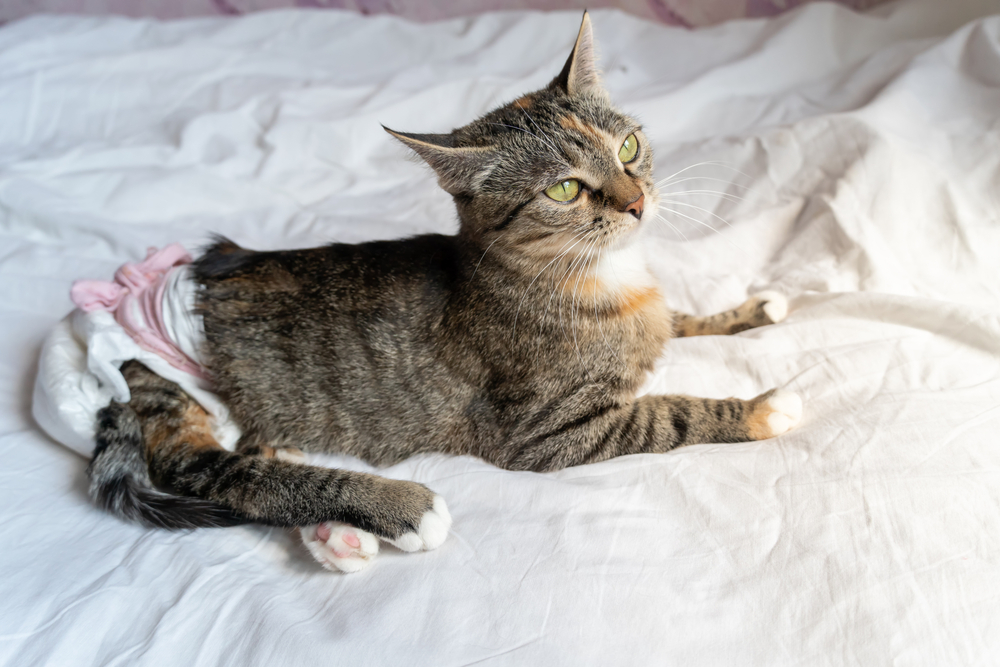
The line between a urinary problem that can wait for a regular appointment and one that belongs in an emergency hospital is drawn at one place: straining that produces little or no urine. A urinary tract infection typically produces frequent small urinations, extra licking, accidents from a house-trained dog, and pink-tinged urine: signs that deserve a prompt appointment but rarely a midnight drive. What pushes a pet up the spectrum is obstruction: crystals, stones, or swelling can seal off the urethra, most often in male cats, and kidney failure follows quickly once urine has nowhere to go. If the straining comes with vomiting, crying, hiding, or sudden weakness, stop weighing the decision and go.
Blocked cats and straining dogs are cases we take seriously at Veterinary Emergency and Specialty Center of Northern Arizona, where emergency care for urinary tract problems in Flagstaff ranges from treating painful infections to relieving complete obstructions. Our in-house lab runs the urinalysis that separates infection from crystals, and X-ray and ultrasound show us whether a stone is sitting in the bladder or blocking the path out. We can hospitalize a pet who needs relief and close monitoring until the crisis has passed. If your pet keeps straining with little to show for it, call us and start heading our way.
Urinary Trouble: The Short Version
- A pet who strains to urinate but produces little or nothing, especially a male cat, is a true emergency, since a blocked urethra can turn life-threatening within a day.
- Infection is only one cause of urinary signs, and bladder stones, crystals, and feline lower urinary tract disease can look nearly identical from across the room while needing completely different treatment.
- A urinalysis, bloodwork, and imaging are what tell those causes apart, which is why guessing at treatment at home so often misses the real problem.
- Water, the right diet, a healthy weight, and a clean litter box prevent many urinary problems and lower the odds of a repeat emergency.
Which Urinary Signs Are an Emergency, and Which Can Wait for an Appointment?
The dividing line is whether urine is coming out. A male cat straining in the litter box and producing nothing may have a urinary obstruction, a blockage that can turn fatal within 24 to 48 hours as toxins and potassium build up in the bloodstream. Frequent trips that still produce urine can usually wait for a visit in the next 24 hours.
Sudden straining and repeated unproductive trips to the box or the yard, crying out, pacing, or hiding are the cues that push a case into emergency territory, especially in a male cat who has always urinated normally.
| Can wait for a prompt appointment | Go now |
| Frequent small urinations that still produce urine | Straining with little or no urine, especially in a male cat |
| Pink or blood-tinged urine in a pet acting like themselves | Crying, hiding, or pacing from pain |
| Accidents from a house-trained pet | Vomiting, weakness, or a firm, painful belly |
| A little extra licking of the genital area | Collapse or refusing to stand |
When output drops off and the straining keeps going, reach out right away rather than waiting to see if the night improves things.
What Causes Urinary Problems in Dogs and Cats?
Urinary signs trace back to a short list of causes: bacterial infection, bladder stones and crystals, feline lower urinary tract disease, and conditions like diabetes or anatomy that make the others more likely. They look nearly identical from across the room, and sorting them out is what decides whether your pet needs an antibiotic, a diet change, or a catheter tonight.
What Does a Urinary Tract Infection Look Like?
Frequent trips outside, straining to produce only a few drops, and blood-tinged urine are the earliest hints of urinary tract infections, often appearing days before a pet seems truly sick. A dog who suddenly asks to go out every hour, or a house-trained pet leaving puddles indoors, is telling you something worth checking.
A urinary tract infection usually begins when bacteria travel up the urethra and take hold in the bladder, where warm, still urine gives them room to multiply. A few factors decide how easily that happens:
- Anatomy: Female pets face extra risk from how they’re built, and a recessed vulva that tucks skin folds around the opening traps moisture and bacteria right where an infection can start.
- Underlying disease: A pet with diabetes sheds sugar into the urine that feeds bacteria and makes repeat infections far more likely.
- Weight and hygiene: Extra pounds fold the skin into damp creases, and a pet who can’t groom well or spends time on a soiled bed hands bacteria an easy route in.
Worth knowing: infection is a common explanation in dogs, but an uncommon one in young, otherwise healthy cats. A cat under ten straining in the box is far more likely to have inflammation than bacteria, which is why an antibiotic prescribed on symptoms alone so often disappoints.
What About Bladder Stones and Crystals?
Crystals are microscopic mineral clumps floating in urine, and stones are what forms when those clumps stick together and grow. Struvite and calcium oxalate account for most of what we see, and the distinction matters enormously: struvite stones can often be dissolved, while calcium oxalate stones have to come out.
Urinary stones cause trouble in two ways. Sitting in the bladder, they grind against the lining and produce chronic straining, blood, and infections that keep coming back. Moving into the urethra, they become an obstruction, which is the reason a male dog with a stone lodged at the base of the penis is every bit as much an emergency as a blocked cat.
The dietary treatment of bladder stones can dissolve some stone types and hold new ones at bay by shifting the urine’s mineral balance and prompting pets to drink more, which makes a prescription diet a genuine treatment rather than a nutrition upgrade. Crystals on their own are a different story, since small numbers turn up in healthy pets and in samples that sat too long before testing. What they mean depends on the type, the amount, and what the rest of the workup shows.
What Is FLUTD, and Why Doesn’t It Respond to Antibiotics?
FLUTD is the umbrella term for the bladder and urethral problems that send cats to the litter box over and over, and in cats under ten the most common version is idiopathic cystitis: painful, sterile inflammation with no bacteria behind it. Antibiotics don’t touch it, which is why so many families feel like they treated the problem and watched it come right back.
Stress is woven through it. A move, a new pet, construction next door, a change in schedule, or a litter box that stopped feeling safe can all set off an episode. Signs include straining, frequent small urinations, blood in the urine, urinating just outside the box, and grooming the belly bare.
Most episodes settle within about a week, and the reason we still want to hear about them is what can happen in the meantime. Inflammatory debris, mucus, and crystals can clump into a plug that seals off a male cat’s narrow urethra, turning a painful week into an emergency overnight. Pain relief, water, and stress reduction do the real work here, and we can start that conversation the same night we see your cat.
Why Is a Blocked Male Cat the Most Urgent Urinary Emergency?
A male cat’s urethra narrows to roughly the width of pencil lead near its end, so a plug of crystals, mucus, or inflammatory debris can shut it completely. With nowhere to drain, pressure backs up into the kidneys, waste and potassium climb in the bloodstream, and the heart rhythm can destabilize within 24 to 48 hours.
Blocked cats often look like they’re constipated, straining and crying in or near the box, and that mix-up costs hours that matter. The belly feels firm and tender, and vomiting, hiding, or a wobbly, weak cat means the problem has already spread past the bladder.
Relief comes in a defined sequence, and most of it happens in the first hour:
- Stabilize first. IV fluids, bloodwork, and an ECG address dehydration and the potassium elevation that threatens the heart before anesthesia is safe.
- Pass a urinary catheter. Under sedation, we relieve the pressure, flush the bladder, and leave a catheter in place so urine keeps draining.
- Hospitalize and monitor. Kidney values, potassium, and urine output are tracked while the bladder recovers, since many cats produce enormous volumes of dilute urine for a day or two afterward.
- Plan for the next one. Diet, water intake, pain control, and stress reduction all shape whether a cat reblocks, which is a real risk in the weeks that follow.
Cats who continue to block, or have a blockage so severe that it cannot be relieved with a catheter, may need a surgery called a perineal urethrostomy. If your cat is straining and nothing is coming out, treat it as an emergency urinary problem and head our way rather than waiting for morning.
What Happens During a Urinary Workup?
Sorting infection from stones from inflammation takes a physical exam and a few targeted tests, most of which we can run while you wait. Feeling the bladder tells us immediately whether it’s tense and full, which changes the order of everything that follows.
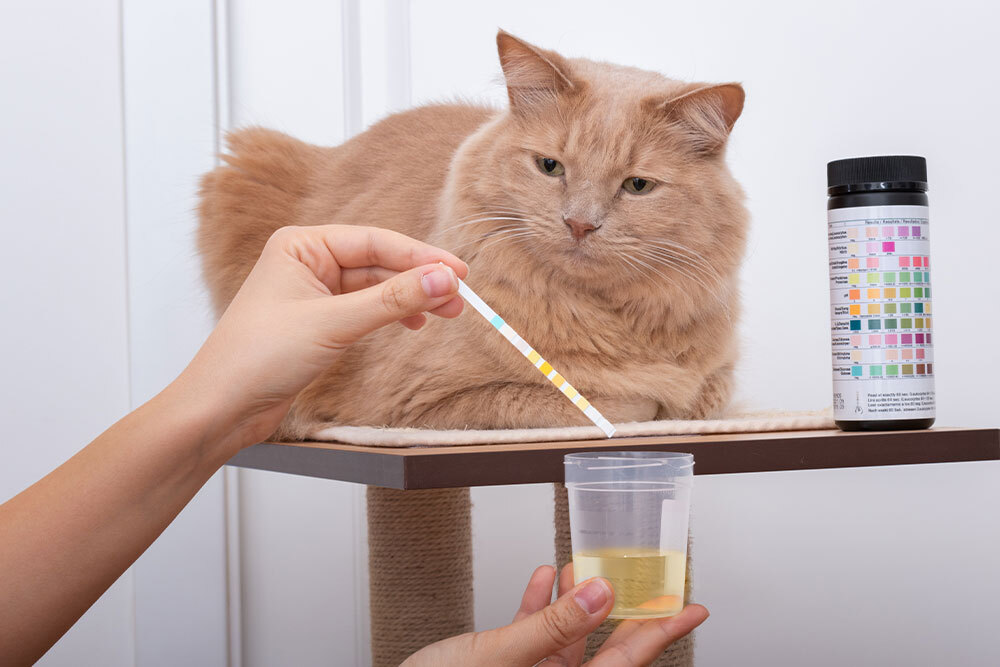
- Urinalysis: One small sample reveals infection, crystals, blood, and how concentrated the urine is.
- Urine culture: When bacteria are confirmed, a culture pinpoints the organism and the medication most likely to clear it, which spares a relapsing pet from rotating through drug after drug.
- Bloodwork: Kidney values, electrolytes, and blood sugar show whether an obstruction has begun affecting the whole body and whether diabetes or kidney disease is part of the picture.
- Imaging: X-rays catch most stones, ultrasound finds the ones that don’t show up on film and evaluates the bladder wall, and our CT scanner, the only one in Northern Arizona, adds detail when the anatomy is complicated or a mass is suspected.
How Are Urinary Problems Treated?
Treatment follows the diagnosis rather than the symptom. A straightforward infection clears with antibiotics matched to the culture plus pain relief, while a stone or a blockage calls for something more involved, and we map the plan out with you once results are back.
| Urinary problem | Typical treatment |
| Bacterial UTI | Antibiotics guided by a urine culture, plus pain relief |
| Dissolvable stones | A prescription diet that changes the urine chemistry |
| Non-dissolvable stones | Surgical removal once other options are ruled out |
| Feline idiopathic cystitis | Pain control, increased water intake, and stress reduction |
| Blocked cat or dog | Catheterization to relieve the blockage, then hospitalized monitoring |
When stones won’t dissolve, a cystotomy opens the bladder to remove them directly, and most pets recover comfortably within a couple of weeks with pain control and rest. Our veterinary team keeps a hospitalized pet under watch until the danger has passed and the bladder is working on its own again.
How Can You Lower the Odds of Another Urinary Emergency?
Water is the simplest urinary medicine there is, since dilute urine flushes bacteria and minerals through before they settle. Between Flagstaff’s dry air and the long winters that keep everyone indoors, it’s easy to lose track of how much your pet is drinking. A wet-food meal, a fountain that keeps the water moving, and an extra bowl or two around the house all nudge a picky cat or a busy dog toward better hydration.
Other important steps to take for pets with urinary issues:
- Keep your pet lean: Obesity and bladder stones travel together, and extra weight raises the odds that stones form in the first place.
- Make the box inviting: A cat who dislikes the box holds urine longer, so the types of litter you offer, a clean low-sided box in a quiet spot, and one box per cat plus one all shape how often they empty their bladder.
- Lower the stress load: Perches, hiding spots, food puzzles, and predictable routines do more for a cat with recurrent cystitis than most families expect.
- Stay with the prescribed diet: For a pet with a stone history, the therapeutic food is the treatment, and switching back to an old diet is one of the most common reasons stones return.
- Keep skin folds dry: A quick wipe around a recessed vulva or a deep fold after outings keeps moisture and bacteria from settling in.
Above all, pay attention to the pattern: noticing that your pet is squatting more often, straining, or leaving a spot of pink is how you catch a problem while it’s still a nuisance.
When Should You Call the Vet About Urinary Symptoms?
Call right away if your pet is straining with little to show for it, if there’s blood in the urine paired with pain or lethargy, or if things are getting worse by the hour rather than the day. Watchful waiting is reasonable for a pet who otherwise feels well, but not once distress or whole-body signs appear.
- Sudden weakness: Collapse or a pet who seems suddenly weak alongside urinary straining can mean a blockage is already affecting the whole body.
- Vomiting: Vomiting alongside urinary trouble often signals that toxins are backing up because urine has nowhere to go.
- Breathing changes: Labored breathing or other systemic signs mean your pet is sick beyond the bladder and needs to be seen now.
When your gut says something is wrong, trust it and pick up the phone.
Frequently Asked Questions About Urinary Problems in Pets
Can a UTI clear up without treatment?
A mild infection occasionally settles on its own, but that’s not something to count on. Left alone, bacteria can climb from the bladder toward the kidneys. Home remedies rarely reach the bacteria, and skipping a urinalysis leaves you guessing whether the real problem is infection, crystals, or a stone. A quick exam and a urine test are far cheaper than treating a kidney infection down the road.
Is a blocked cat really an emergency, even in the middle of the night?
A cat who can’t pass urine is one of the fastest-moving emergencies in veterinary medicine and should never wait until morning. Once the urethra seals off, the heart and kidneys can begin to fail within a day or two. If you see repeated trips to the box with nothing produced, crying, or a hard belly, treat it as the emergency it is and come in.
My cat’s urine has crystals. Does that mean stones are next?
Not necessarily. Small numbers of crystals turn up in healthy pets and in samples that sat too long before testing, so crystals alone don’t automatically mean a stone is forming. What matters is the type, how many, and whether your cat is showing signs. When crystals do warrant action, a diet change and better water intake usually handle it.
Why does my pet keep getting urinary problems?
Repeat episodes usually point to something underneath rather than bad luck. Bladder stones or crystals, an anatomical quirk like a recessed vulva, diabetes, kidney disease, stress-driven cystitis in cats, or dilute urine that never quite flushes bacteria out can all keep the cycle going. This is where a urine culture and imaging pay off, because clearing an infection without finding the cause buys only a few quiet weeks.
Keeping Your Pet’s Urinary System Healthy
Most urinary problems are manageable when we catch them in time, and the ones that aren’t tend to be the ones that waited. Keep fresh water within easy reach, feed for a healthy weight, and stay on top of routine urine screening. And if the trips to the litter box or the yard tell you something is wrong, especially straining with little to show for it, skip the wait-and-see and bring them straight to Veterinary Emergency and Specialty Center of Northern Arizona here in Flagstaff.



Leave A Comment