

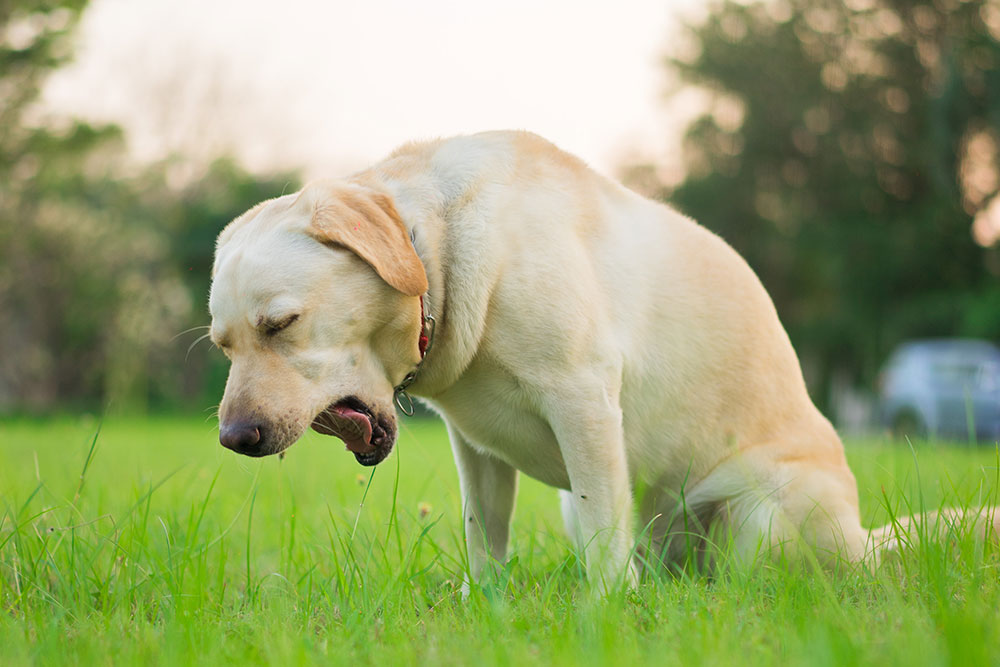
A dog or cat in Northern Arizona with a cough that will not quit, unexplained weight loss, or a limp that keeps shifting legs could very well have valley fever, a fungal infection caused by Coccidioides spores living in the soil across the arid Southwest. Every time a dog puts their nose to the ground and breathes in dust, they inhale spores; cats catch it too, though less often. The infection is treatable and most pets recover well on antifungal therapy, but the early signs mimic kennel cough, arthritis, or a picky eater phase, which is how weeks slip by before anyone thinks to test for it. The disease also spreads from the lungs into bone, skin, and the nervous system when it goes unchecked, so getting to the right diagnosis early is what separates a straightforward recovery from a long, complicated one.
Every monsoon season in Flagstaff kicks up the dust that carries valley fever spores, and Veterinary Emergency and Specialty Center of Northern Arizona sees the pets whose infections have gone beyond a simple cough. Our hospital runs in-house bloodwork, chest X-rays, ultrasound, and CT imaging around the clock every weekend, which is what a dog with valley fever pneumonia, bone involvement, or neurologic signs needs to be worked up quickly and stabilized. If your pet is struggling to breathe, limping, off their appetite, or just has symptoms that cannot be explained, our emergency team is here from Friday evening through Monday morning.
Valley Fever in a Nutshell
- Valley fever is a fungal infection dogs and cats catch by inhaling Coccidioides spores from disturbed desert soil, and it is treatable with antifungal medication in most cases.
- The early signs, a cough that will not clear, weight loss, low energy, or a shifting limp, look a lot like more ordinary problems, which is the main reason the disease gets caught late.
- Dogs are affected far more often than cats, but when cats do get it, they tend to show skin sores and swollen lymph nodes rather than the classic cough.
- Catching valley fever before it spreads from the lungs into bone, eyes, or the nervous system is what turns a long, complicated course into a straightforward recovery, and a simple blood test is where that starts.
What Exactly Is Valley Fever in Pets?
Valley fever, known medically as coccidioidomycosis, is a fungal infection caused by Coccidioides, a fungus that lives in the top layer of dry, dusty soil across the desert Southwest. It is not a virus and not a passing respiratory bug. When the soil gets disturbed and the spores go airborne, a dog or cat breathes them in, and the body’s defenses go to work.
In most pets, that immune response is enough to wall the fungus off, and the infection never turns into real illness. In some, that defense falls short, and the fungus starts to spread, most often settling in the lungs but sometimes reaching the bones, eyes, skin, nervous system, and internal organs. It will not clear on its own like a virus, and does not respond to the antibiotics a lingering cough is often treated with first.
Dogs are hit hardest because they live so much of their lives at ground level, digging, sniffing, and running through open desert in exactly the dry, dusty conditions that push spores into the air. For a dog, an ordinary day in the Southwest is a long string of small exposures.
Where Is Valley Fever Found, and Is It Spreading?
The classic endemic zone is the desert Southwest: Arizona, especially Phoenix and Tucson, plus southern California, Nevada, New Mexico, and parts of Texas. If you live near Flagstaff, your pet lives inside that map. But the map is changing, and cases are turning up in regions once considered safe.
Drought, changing weather patterns, and disturbed soil are pushing valley fever spreading across the arid West into places that were never endemic. That matters because a veterinarian in one of those regions may not put valley fever near the top of the list when a dog shows up coughing, and that delay costs time. So the practical rule is simple: if your pet has spent time in the arid West in the past several months and is now coughing, dropping weight, or limping without a clear reason, valley fever belongs on the list, even if it is not the first guess.
How Do Dogs Actually Get Valley Fever?
Dogs get valley fever by breathing it in, plain and simple. The fungus lives in the top few inches of soil, becomes airborne when that soil is disturbed, and a dog inhales it while walking, running, sniffing, or digging. There is no way to make a desert walk completely spore-free.
What happens after that inhaled dose depends on the dog. In most dogs the immune response to the fungus is strong enough to wall it off, and the infection never becomes disease, while in others age, overall health, and the size of the exposure let it spread. Very young and very old dogs, dogs with weaker defenses, dogs who took in a big lungful of spores, and possibly certain genetic lines are more likely to get sick. And here is the frustrating part for any pet family: there is no vaccine available, and no reliable way to keep a dog living or traveling in an endemic area from being exposed in the first place. Prevention, for now, is really about catching it early.
Can Cats and Other Animals Get Valley Fever Too?
Cats and other animals can get valley fever too. Dogs are by far the most commonly affected companion animal, but valley fever reaches humans, cats, horses, and wildlife as well, so the disease belongs on the list for any pet or human living in the desert Southwest, not just the family dog.
Cats deserve a special mention. Coccidioidomycosis in cats often looks different from the canine version, showing up as oozing skin wounds and enlarged lymph nodes more often than the cough and respiratory signs typical in dogs. So a cat in the Flagstaff area with a draining skin sore or facial swelling, a swollen lymph node, or a chronic breathing issue that is not budging on standard treatment deserves valley fever on the differential, even though the disease is less common in cats.
What Does Valley Fever Look Like in Dogs?
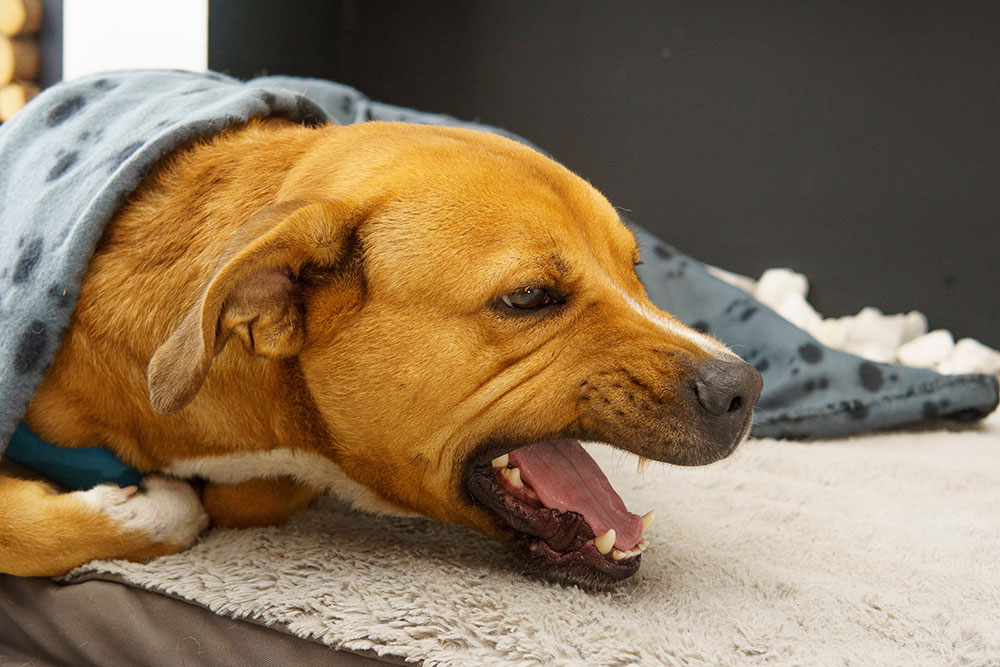
Valley fever is a master of disguise, which is why it gets missed. In the lungs it shows up as a dry or productive cough that antibiotics do not clear, along with fever, lethargy, less interest in exercise, and weight loss that just does not add up, often with a normal appetite.
When the infection stays in the chest, that is the picture most families see first. The bigger worry is disseminated disease, where the fungus has moved beyond the lungs. That form is more serious and needs more intensive treatment. Watch for these signs, and take them seriously if your pet has spent time in the desert Southwest.
| Where it has spread | What you might notice |
| Bone and joints | Lameness that shifts legs, swollen or painful joints |
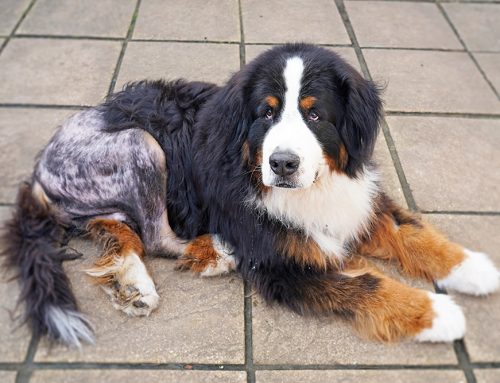
| Skin | Lumps, non-healing sores, or draining wounds |
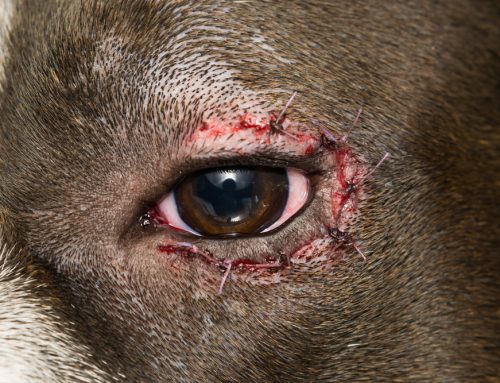
| Eyes | Cloudiness, redness, or sudden changes in vision |
| Nervous system | Seizures, wobbling, or trouble walking |
| Internal organs | Vague decline, poor appetite, unexplained illness |
A dog who has been in the Southwest and is coughing, losing weight, or limping for no clear reason is a dog who needs valley fever ruled out, not just treated symptomatically. Labored or changed breathing deserves fast action rather than a wait-and-see approach, because it means the infection has progressed past what the body can handle on its own.
How Is Valley Fever Diagnosed?
No single test confirms valley fever on its own, so diagnosis is a puzzle assembled from several pieces: your pet’s travel history, the exam findings, bloodwork, and imaging, considered together. A confident valley fever workup pulls all of those threads into one answer rather than leaning on any one result.
What Does the Valley Fever Titer Test Show?
The titer test, a form of serology, is the workhorse of valley fever diagnosis. It is a blood test that looks for antibodies the immune system has made in response to the fungus. A positive titer in a dog with a matching set of signs is strong evidence of infection, and how high that level climbs can hint at how active or severe the disease is. One important catch: a negative titer early on does not rule valley fever out, because the immune system needs time to build those antibodies. Routine bloodwork adds more context, flagging white blood cell counts, checking organ function, and pointing toward systemic illness even before the titer result is back.
What Do X-Rays and Imaging Add?
Radiographic imaging does not show the fungus itself, but it maps lung lesions, enlarged chest lymph nodes, and the overall extent of the infection, which is how the team gauges severity and later measures whether treatment is working. Chest films raise or lower our suspicion and give us a baseline to compare against down the road. When a pet is limping or has a swollen limb, bone radiographs come into the workup too, looking for the changes that signal the fungus has reached the skeleton. For complicated cases, CT imaging can map involvement that plain films cannot.
When Do We Sample Tissue or Fluid?
When there is an accessible lump or lymph node, fine needle aspiration collects a small sample that goes under the microscope, and finding the organism directly in it provides a definitive answer. Cytology of skin lesions, lymph nodes, or other reachable masses can occasionally catch the fungus in the act, which is about as conclusive as it gets. Culture is possible but rarely practical, because growing this particular fungus safely requires special biosafety handling. For families in the region, the Arizona State Veterinary Diagnostic Laboratory is a key resource for valley fever testing.
What Does Valley Fever Treatment Involve?
Valley fever treatment in dogs centers on a daily oral antifungal given for months and sometimes years. The goal is to suppress the fungus to a level the immune system can hold. Treatment controls the infection rather than curing it outright, at least at first, and stopping early is a leading cause of relapse.
The medications used most often are fluconazole and itraconazole, given by mouth every day. Here is the shape of a typical course and what to expect along the way.
| Piece of treatment | What it looks like |
| Medication | Daily oral antifungal, usually fluconazole or itraconazole |
| Duration | Often six months minimum for lung disease, sometimes lifelong for severe disseminated cases |
| Monitoring | Periodic titer testing to confirm the level is falling, plus bloodwork to watch for side effects |
| Biggest risk | Stopping too early, which is a leading cause of relapse |
Monitoring matters as much as the medication. Repeat titers tell us whether the antibody level is dropping, which is a good sign the treatment is working, and routine bloodwork keeps an eye out for drug side effects. As for the outlook: most dogs with lung-only valley fever respond well and go on to live normal lives. Disseminated disease, especially when the nervous system is involved, carries a more guarded prognosis, but it is still treatable in many cases.
Is There New Research and Hope on the Horizon?
There is, and it is genuinely encouraging. Scientists are working on a vaccine, better diagnostic tests, and a clearer understanding of why some dogs get sick while others shrug off the same exposure. The tools we use to diagnose and manage valley fever keep getting sharper.
The Canine Valley Fever Project is working toward a vaccine for dogs and better diagnostics, and because dogs and people share a similar immune response to the fungus, that work stands to benefit both species. Valley fever is an area of active scientific attention, which means the pets diagnosed a few years from now may have options today’s patients do not.
Frequently Asked Questions About Valley Fever in Pets
Is valley fever contagious to other pets or to my family?
Not in the usual sense. Valley fever does not spread pet-to-pet, pet-to-person, or person-to-pet through normal contact. Both your pet and your family catch it the same way, by breathing in spores from the same dusty environment. So if one dog in the household is diagnosed, the others are not at risk from that dog, though they share the same local exposure and could be tested if they show signs. A draining wound is a rare exception worth asking your veterinarian about.
How long does valley fever treatment last?
Plan for the long haul. Most dogs with lung-only disease stay on antifungal medication for at least six months, and often longer. Dogs with severe or disseminated disease may need treatment for a year or more, and some stay on it for life. The single most important thing you can do is not stop early, even when your pet looks completely normal. Your veterinarian uses repeat titer testing to decide when it is truly safe to taper off.
My dog only visited Arizona once. Could it still be valley fever?
One trip through an endemic area really can be enough exposure to cause infection, and signs can show up weeks to months after the visit. This is exactly why travel history matters so much. If your dog spent time in the arid Southwest in the past several months and is now coughing, limping, or losing weight, mention that trip to your veterinarian, even if you are back home somewhere valley fever is rarely seen.
Can I prevent my pet from getting valley fever?
Not completely, unfortunately. There is no vaccine yet, and spores are simply part of the desert environment. You can lower exposure a little by keeping your dog from digging in dusty soil and avoiding activities that kick up a lot of dust on windy days, but no measure is foolproof for a pet who lives in or travels through endemic areas. The most powerful tool you have is early recognition, knowing the signs and testing promptly.
Bringing Valley Fever Into the Conversation Early
Valley fever is treatable, and outcomes are so much better when the diagnosis comes early, before the infection travels from the lungs into bone, eyes, or the nervous system. If your pet is coughing, dropping weight, limping, or simply not bouncing back after time in the Southwest, bring valley fever into the conversation with your veterinarian.
A simple blood test is the starting point. If your pet is showing signs consistent with valley fever, or your pet needs a CT to evaluate how the fungus has spread, schedule an evaluation so the right workup can get underway. We are here to be your partner in getting your pet the answers, and the recovery, they deserve.




Leave A Comment