

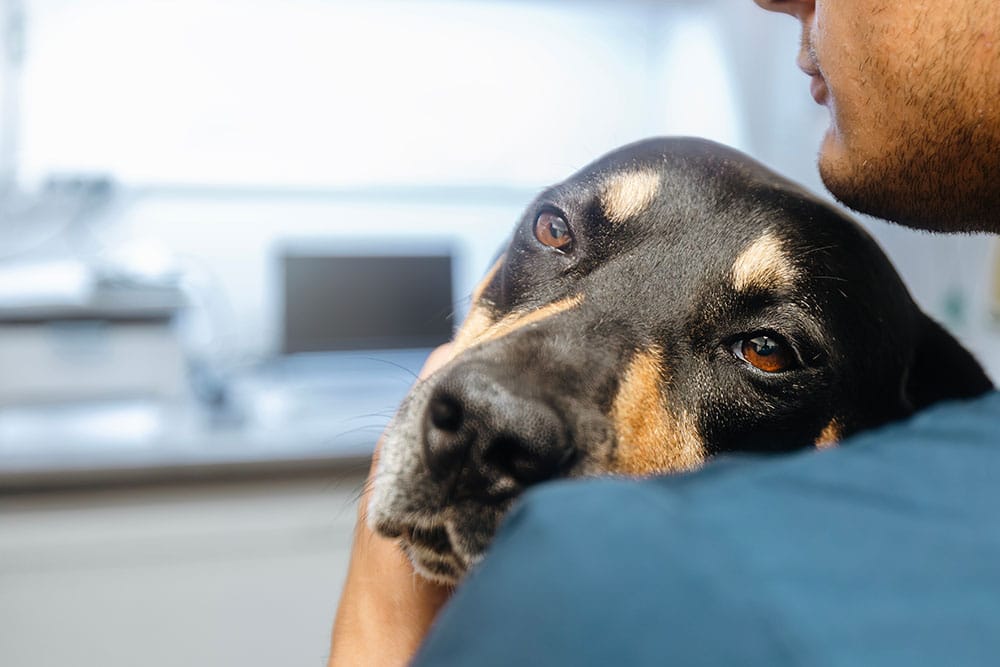
The drive home from an emergency veterinary hospital is its own particular kind of exhausted. The immediate crisis has been managed, your pet is either home with you or stable enough for you to leave, and the adrenaline that got you through the past several hours is just starting to release. Then the paperwork hits the passenger seat, and somewhere between instructions and medication names and follow-up dates, it all starts to blur. The discharge process at an emergency hospital is thorough, but it’s also happening at the exact moment when most people are least able to retain information.
The Veterinary Emergency and Specialty Center of Northern Arizona believes that care doesn’t end at the exit door. Our team sends every patient home with detailed instructions, and we’re available to answer the follow-up questions that come up once you’ve had a chance to breathe and actually read the paperwork. Whatever your pet was treated for, the transition from emergency to home care is a genuine clinical phase, and we want to support it. Contact us with questions any time after your visit.
At a Glance
- Reduced appetite, drowsiness, and low energy in the first 24 to 48 hours are normal; the rule of thumb is gradual improvement over that window, and any pet who is getting worse rather than better warrants contact.
- Resting respiratory rate above 40 breaths per minute, open-mouth breathing in cats, pale or blue gums, collapse, uncontrolled bleeding, seizures, or persistent vomiting all warrant immediate return to the emergency hospital.
- E-collar use, restricted activity, and clean dry incision sites prevent the majority of post-surgical complications; most setbacks come from skipped restriction rather than from anything intrinsic to the recovery.
- Bandages and casts need to stay clean and dry, with daily checks for slipping, swelling, or odor.
- Even pets who seem fully recovered need their scheduled recheck appointments; sutures need removal, medications may need adjustment, and some complications develop without obvious external signs.
What Is Normal in the First 24 to 48 Hours After an ER Visit?
The first day or two after an emergency visit typically involves drowsiness from sedation or anesthesia, reduced appetite, and lower energy as your pet processes residual medication effects and recovers from the underlying problem. Most pets are picky about food for the first 24 hours and gradually return to normal over 2 to 3 days. Cats often want to hide and shouldn’t be forced into social interaction; dogs may seem withdrawn or stuck to you depending on their personality. Both are appropriate during recovery.
The distinction that matters is lethargy versus decline. Your pet who is resting more but responding when you approach, drinking some water, accepting small amounts of food, and showing interest when offered a favorite treat is recovering normally. Your pet who becomes progressively less responsive, won’t lift their head, has labored breathing, or shows pale gums is declining and needs evaluation. The general rule: gradual improvement over 24 to 48 hours means your pet is on track. Getting worse rather than better means something has changed and warrants contact with the hospital.
How Do You Set Up a Safe Recovery Space at Home?
A calm, controlled recovery environment supports healing in ways that are easy to underestimate. Limiting activity, reducing stress, and providing a quiet space matter as much as any specific treatment, and most families are surprised at how much restriction is actually appropriate for the first few days.
For dogs, crate rest or pen confinement during the early recovery period prevents the jumping, running, and roughhousing that can disrupt healing. Even dogs without orthopedic injuries benefit from limited activity initially. Keep the crate or pen in a room where the household is active so your dog doesn’t feel isolated, but where they can rest without being approached constantly.
For cats, post-op care involves selecting a quiet, single-level space where they can recover without needing to jump or climb. A spare bedroom or bathroom with food, water, a litter box, and soft bedding works well. Cats often want to hide during recovery; provide a covered bed or box where they can feel safely tucked away.
What to prioritize across both species:
- A quiet zone away from household traffic and other pets during the first 1 to 2 days
- Easy access to water, food, and bathroom areas without stairs or jumping
- No jumping on or off furniture, climbing stairs, rough play, or sudden activity that elevates heart rate or stress
Defaulting toward more rest rather than less is the safer choice.
How Should You Monitor Your Pet at Home After an ER Visit?
A few minutes of structured observation each day creates the data points that help you catch changes early and give us useful information when you call. A daily home exam doesn’t require equipment, and establishing what’s normal for your individual pet (some have always-pale gums, some breathe faster at baseline) makes changes easier to spot when they happen.
The basic daily check covers:
- Pain level (behavior, posture, willingness to move)
- Breathing (rate, effort, pattern)
- Hydration (gum moisture, skin tent)
- Gum color (pink versus pale, blue, or other concerning shades)
- Appetite (interest in food, amount consumed)
- Energy (engagement with surroundings)
Each component is simple to assess once you know what to look for.
Recognizing Pain at Home
Pets show pain differently than people do, and many of the pain signs get attributed to other causes. Behavioral changes to watch for include:
- Hiding more than usual or seeking unusual locations
- Restlessness or inability to settle
- Panting at rest in dogs without temperature stress
- Reluctance to move or jump or postural changes (hunched back, tucked abdomen)
- Reduced interest in food
- Increased irritability, vocalizing, or out-of-character aggression when touched
- Reduced grooming in cats (or alternatively, excessive grooming of one area)
The Feline Grimace Scale is a useful tool specifically for cats. Cats mask discomfort more than dogs, and the subtle facial cues (ear position, eye narrowing, muzzle tension, whisker direction) can be more reliable indicators than behavior alone.
If pain medications were prescribed, give them on schedule rather than waiting for visible signs of pain. Pain is easier to prevent than to control once established.
Monitoring Breathing After an ER Visit
Resting respiratory rate is one of the most useful at-home metrics. Count breaths when your pet is calmly resting (not panting from heat or excitement). Each rise of the chest is one breath. Count for 30 seconds and double, or count for a full minute. Normal is under 30 breaths per minute.
Signs of concern:
- Rates above 40 breaths per minute while resting
- Increased effort to breathe
- Abdominal effort with each breath
- Open-mouth breathing in cats (always a red flag)
These indicate respiratory distress and warrant immediate evaluation. Breathing changes after an ER visit are never normal and should prompt immediate contact. Issues like fluid accumulation, allergic reactions, or complications can present this way.
Checking Hydration and Gum Color at Home
Healthy gums are pink (the same color as the inside of your lower lip in most pets) and moist to the touch. The capillary refill test: press a finger against the gum, lift it off, and watch how quickly the color returns. Normal refill is 1 to 2 seconds.
What different gum colors can indicate:
- Pale or white: anemia, shock, or significant blood loss
- Tacky or dry: dehydration
- Yellow: jaundice (often from liver disease or red blood cell destruction)
- Blue or gray: insufficient oxygen
- Bright red: heat stress, toxin exposure, or other concerns
Some pets have pigmented gums that are naturally black or dark, making this assessment difficult. In those cases, check the inside of the lip or the gums above the upper canine teeth where pigmentation may be lighter.
The skin tent test for hydration: gently pinch the skin between the shoulder blades, lift it slightly, and release. In a hydrated pet, the skin returns immediately. In a dehydrated pet, the skin remains tented for a few seconds before returning.
If you’re uncertain about what you’re observing during a home check, contacting us is always appropriate.
How Do You Care for Wounds and Incisions at Home?
The care principles for surgical sites, lacerations, and wounds being managed at home are consistent across most situations: keep the area clean and dry, watch for signs of infection, and prevent licking and chewing. Most surgical complications result from skipped e-collar use rather than from any inherent problem with the surgical site itself.
Most surgical sites should not be cleaned with anything beyond what your discharge instructions specify. Check the site at least once daily for signs of infection:
- Increasing redness, swelling or heat
- Discharge or foul odor of any kind
- Gaping of the wound edges
- Significant pain when touched
Preventing licking and chewing is critical and usually requires an e-collar (the cone). Your pet’s saliva contains bacteria that can infect a healing site, and the mechanical action of licking can disrupt sutures or pull wound edges apart. Adjustment to the e-collar usually takes 24 to 48 hours; patience, distraction with treats, and consistency matter. If the e-collar fits poorly or is preventing eating and drinking entirely, contact us or your regular vet for adjustment guidance.
For images of what different post-surgical complications look like, check out these resources- but be warned, some of the images are pretty gross.
- Seromas after amputation surgery
- Normal and abnormal incisions after knee surgery
- Dehiscence (wound opening)
Recheck appointments are typically scheduled to assess healing and remove sutures or staples when appropriate.
What If My Pet Has a Bandage, Splint, or Cast?
Pets sent home with a bandage, splint, or cast for a fractured limb or injury need it kept clean and dry, checked at least twice daily, and protected from licking or chewing. Bandages that get wet from outside (rain, snow, water bowls) or from inside (saliva, drainage) need replacement rather than being left to dry on. For outdoor bathroom breaks, cover the bandage with a plastic bag secured at the top and remove the bag the moment you come back inside.
- Swelling above or below the bandage (toes that look puffy, cool, or discolored compared to the other foot)
- Foul odor coming from the bandage area
- Slipping or rotating from its original position
- Wet, soiled, or contaminated material
- Chewing, licking, or pawing at the bandage area
- Increased pain or discomfort when the bandage is touched
Bandages that are slipping, soiled, or showing any concerning signs need attention promptly rather than at the next scheduled recheck. Contact us if you’re seeing any of the above.
How Do I Give My Pet Medications at Home?
Discharge instructions often include medications and home care procedures that can feel intimidating the first time you try them. The good news is that the basics get easier with practice, and there are clear walkthroughs available for the most common procedures. Rather than trying to describe every technique here, we point families to these resources:
- For oral medications in dogs, the technique combines positioning, placement at the back of the tongue, and a follow-up treat that makes pilling far smoother.
- For pilling a cat, the approach is different and takes practice. Pill pockets, pill poppers, and compounding pharmacies (who can turn pills into flavored liquids) all help when the standard approach isn’t working.
- For administering eye medications and applying ear medications, the technique focuses on calm restraint and accurate application without contaminating the bottle tip.
- For pets sent home with a feeding tube, esophagostomy tube care covers feeding schedules, flushing routines, and site care in detail.
If anything in your medication or home care plan is unclear, contact us before improvising. Skipped or doubled doses, missed feedings through a tube, or improper technique with eye and ear medications can each create real problems. We’d rather hear from you with a quick question than have a treatment plan go off the rails because something wasn’t clear at discharge.
What Appetite and Digestive Changes Should You Expect After an ER Visit?
Some digestive disruption is essentially universal after an emergency visit, and most of it resolves on its own within a few days. Knowing when to push through with home support versus when to call is what matters most.
What’s typically fine:
- Soft stool or mild diarrhea from stress, medications, antibiotics, or diet changes
- Mild constipation during the first day or two
- Increased water intake that doesn’t tip into excessive drinking and vomiting
- Mild nausea showing as drooling, lip-smacking, or repeated swallowing
When appetite changes cross into concerning:
- Dogs not eating beyond 24 to 48 hours warrant evaluation
- Cats not eating for more than 24 hours warrant evaluation regardless of cause. Cats are at risk for hepatic lipidosis (a serious liver complication) when they go without food, and this risk is higher in overweight cats.
- Vomiting beyond the first day, particularly more than once or twice
- Diarrhea persisting beyond a few days or containing blood
- Abdominal pain or distention
For reluctant eaters who are medically cleared to keep trying at home:
- Warm the food slightly to enhance smell
- Offer a bland diet like boiled chicken with rice or a prescription GI diet if your discharge instructions allow
- Hand-feed small amounts to spark interest
If your pet is struggling to return to normal eating, contact us. There are usually solutions, and waiting too long makes the problem harder.

What Warning Signs Mean It’s Time to Go Back to the ER?
Certain signs after discharge mean your pet needs immediate return to the emergency hospital rather than a wait-and-see approach. When in doubt, calling is always the right move; we can help triage what’s happening over the phone and advise on whether immediate evaluation is needed.
The following emergency warning signs require immediate return to a veterinary emergency hospital:
- Labored, rapid, or shallow breathing
- Pale, white, blue, or gray gums
- Collapse, severe weakness, or inability to stand
- Uncontrolled bleeding or wound reopening
- Persistent vomiting (more than 2 to 3 episodes or blood in vomit)
- Refusal to eat or drink for more than 24 hours (sooner for cats)
- Straining to urinate or producing no urine (particularly in male cats)
- Worsening pain that medications aren’t controlling
- Sudden behavior changes including disorientation, severe lethargy, or unresponsiveness
- Seizures or seizure-like activity
- Suspected exposure to a new toxin or medication overdose
Frequently Asked Questions About Caring for Your Pet After the ER
My pet was given medications. What if I miss a dose?
Generally, give the missed dose if you remember within a few hours. If it’s nearly time for the next dose, skip the missed dose rather than doubling up. Specific medications have specific instructions; if you’re unsure, call us.
Can I give my pet over-the-counter human medications during recovery?
Almost always no. Many human medications are toxic to pets, and even those that aren’t can interact with prescribed treatments. If you’re considering any OTC medication, including pain relievers, supplements, or vitamins, call first. The poison control hotline is also available for guidance on suspected exposures.
My pet seems fine. Do I really need the recheck appointment?
Yes. Many post-emergency conditions require recheck evaluation regardless of how your pet seems at home. Sutures need removal, healing needs to be assessed, medications may need adjustment, and some complications develop without obvious external signs.
You’ve Got This: Reassurance for the Road Ahead
The hardest part is behind you. Whatever brought your pet to the emergency hospital, the fact that you got them care quickly is what gives them the best chance at full recovery. Attentive home care over the days and weeks that follow makes a real difference in outcomes.
You don’t have to navigate this alone. Our team is a resource throughout the recovery process, and reaching out early when something feels off is always the right choice. Contact us at the Veterinary Emergency and Specialty Center of Northern Arizona with questions, concerns, or to schedule any follow-up care your pet needs.




Leave A Comment