


Many common yard and houseplants are genuinely toxic to dogs and cats, and some are dangerous enough that even a small exposure can cause serious organ damage. The challenge is that popular and pretty do not mean safe, and pets rarely give you warning before they investigate something they should not. Some plants cause immediate symptoms like vomiting or mouth irritation, while others, particularly those that affect the liver or kidneys, may not show clear signs until hours or days later when the damage is already significant.
If your dog or cat gets into something you are worried about, the Veterinary Emergency and Specialty Center of Northern Arizona in Flagstaff is equipped to handle pet toxin and poisoning emergencies, with in-house lab work to assess severity and guide treatment. Our team is open on weekends, from Friday at 5pm through Monday at 8am, for exactly these situations. If you think your pet has eaten something toxic, do not wait to see how they feel in the morning. Call us or bring them straight in.
Toxic Plant Quick Guide
- Lilies are a true emergency for cats: even pollen or vase water can cause acute kidney failure.
- Sago palms cause severe liver damage in both dogs and cats; every part of the plant is toxic.
- Wild mushrooms are unpredictable: some species cause delayed liver failure, so treat every ingestion as urgent.
- Save the numbers before you need them: Pet Poison Helpline (855-764-7661) and ASPCA Poison Control (888-426-4435) belong in your phone now, not during an emergency.
What Should I Do If My Pet Eats a Toxic Plant or Mushroom?
A clear, actionable response saves time when minutes matter:
- Safely remove any remaining material from the pet’s mouth (use a soft cloth, not your bare fingers).
- Identify the plant or mushroom. Take clear photos (top, underside, base, surrounding habitat). If you cannot ID the plant or mushroom easily, the mushroom and plant identification group on Facebook is a useful resource; they are run by experts and recommended by the poison control hotlines for obtaining IDs. Their posting guidelines explain how to capture useful photos and their requirements for posting. Bag a sample in paper if possible.
- Do not induce vomiting unless specifically instructed by a veterinarian. Some toxins cause more damage on the way back up.
- Call a 24/7 veterinary poison control hotline. ASPCA Poison Control and the Pet Poison Helpline both charge a per-call fee but provide expert dosing-by-weight calculations and treatment guidance, and can communicate directly with your veterinary team.
- Notify the veterinary team and head in. For Flagstaff-area pets on weekends, that means calling us and coming straight to the ER.
The expert guidance from poison control can be the difference between hours of guesswork and a targeted treatment plan that starts immediately.
Which Houseplants Are Dangerous for Dogs and Cats?
A few standout indoor offenders:
- Lilies: true lilies (Easter, tiger, Asiatic, daylilies) cause acute kidney failure in cats from any part of the plant, including pollen, leaves, flowers, and even the water in the vase. Lily toxicity is a true emergency. Cat households should not have lilies in any form.
- Sago palms: sago palm toxicity causes acute liver failure in dogs and cats and is highly fatal even with treatment. Every part is toxic; seeds are particularly concentrated.
- Pothos, philodendron, dieffenbachia, peace lilies: contain calcium oxalate crystals that cause oral irritation, drooling, and difficulty swallowing. Usually self-limiting but uncomfortable, and worth a veterinary evaluation if significant amounts were ingested.
- Aloe vera: mildly toxic; causes vomiting and diarrhea.
- Snake plant, ZZ plant: cause GI upset; usually self-limiting.
A searchable toxic and non-toxic plants database is worth bookmarking before bringing new plants into the house.
Which Outdoor and Garden Plants Are Toxic to Pets?
Yards present just as many risks as indoor spaces. Northern Arizona landscaping commonly includes some of these high-risk plants alongside many safe options. These are the outdoor plants to avoid when you have pets:
| Outdoor plant | Main toxic effect | Severity |
| Azaleas and rhododendrons | Vomiting, weakness, cardiac issues | High |
| Oleander | Highly cardiotoxic | Deadly in small amounts |
| Foxglove | Cardiac glycosides affecting heart function | High |
| Autumn crocus | Affects multiple organ systems | Severe |
| Tulip and daffodil bulbs | Worst from freshly planted or stored bulbs | Moderate to high |
| Yew | All parts toxic, including berries | Rapidly fatal |
| Sago palms | Acute liver failure | Often fatal |
| Lily of the valley | Cardiac toxicity similar to digitalis | High |
Pet-safe alternatives exist for almost every garden style. Roses, sunflowers, snapdragons, marigolds, zinnias, and many native Arizona plants are safe choices for pet-accessible areas.
Are Store-Bought Bouquets Safe for Pets?
Premade floral arrangements often mix pet-safe bouquets with toxic varieties, and ingredient labels are rarely included. Lilies in particular show up in mixed bouquets and present the same kidney failure risk to cats as garden lilies. Many bouquets are sprayed with pesticides and preservatives, so even if the flowers are a variety that is “safe”, they can still be toxic.
Flowers commonly found in arrangements that cause problems:
- Baby’s breath: mild GI irritation.
- Carnations: mild GI irritation.
- Chrysanthemums: more significant; can cause vomiting, drooling, incoordination.
- Tulips: bulbs especially.
- Lilies: any species in arrangements with cats present.
Vase water itself can be a hazard. Flower food preservatives and plant compounds leach into water and can cause GI upset or worse. A pet drinking from a vase containing lily water has had a meaningful lily exposure even if it did not chew the plant.
Why Are Grapes and Raisins Dangerous for Dogs?
Grape and raisin toxicity in dogs can cause acute kidney failure, and even small amounts can be dangerous. The toxic component in grapes and raisins has been identified as likely tartaric acid, which helps explain the wide variation in individual responses; some dogs eat several grapes without problem while others develop kidney failure from a single grape.
Individual sensitivity is unpredictable, so every exposure should be treated as an emergency. Backyard grapevines are a real risk in Northern Arizona homes that have them. Raisins are concentrated and pose higher risk per gram than fresh grapes. Trail mix, raisin bread, oatmeal raisin cookies, and granola bars are common accidental exposures.
If your dog ate grapes or raisins, call us immediately for decontamination guidance, even if your dog seems fine. The window for effective treatment is short.
What Are the Signs of Plant Poisoning in Pets?
Symptoms vary by what was eaten, how much, and the pet’s size and species. Common signs:
- Digestive upset: vomiting and diarrhea.
- Excessive drooling: often the first oral-irritant sign.
- Lethargy or weakness: a quiet, flat pet warrants attention.
- Neurologic signs: tremors or seizures.
- Breathing difficulty: any labored effort is urgent.
- Changes in urination: increased, decreased, or absent.
- Pale or yellow gums: a sign of organ involvement.
- Mouth or tongue irritation: common with oxalate plants.
- Loss of appetite: especially when it persists.
- Disorientation or unusual behavior: a change worth reporting.
Cats tend to be more vulnerable to certain plant toxins than dogs because their liver enzymes metabolize compounds differently. Delayed symptom onset (as with lily toxicity, where kidney signs may not appear for 24 to 72 hours) makes prompt action critical even before symptoms appear. Acting on suspected ingestion is consistently safer than waiting to see what happens.
How Dangerous Are Wild Mushrooms in the Yard?
Wild mushrooms appear unpredictably after rain, and Flagstaff’s monsoon season produces conditions that encourage growth. Identifying toxic species is extremely difficult, with some of the most dangerous looking nearly identical to harmless ones. Mushroom toxicity falls into several categories:
| Mushroom category | Effect | Symptom onset | Danger level |
| Gastrointestinal toxins | Vomiting and diarrhea | Soon after ingestion | Usually treatable with prompt care |
| Hepatotoxic (Amanita / death cap) | Severe liver damage | Delayed 6 to 24 hours | Most dangerous |
| Neurotoxic | Tremors, hallucinations, seizures | Variable | Serious |
| Nephrotoxic | Kidney damage | Often delayed | Serious |
The delay between ingestion and symptoms is what makes mushroom poisoning especially dangerous. A pet who ate a mushroom and seems fine three hours later may not be fine eighteen hours later. Prevention focuses on access:
- Walk your yard after rains and remove mushrooms before pets find them.
- Keep dogs on leash on trails where mushroom growth is dense.
- Discourage investigation of fungi during walks.
If ingestion is suspected, collect as much of the mushroom as possible (even small fragments help with identification) and treat it as an emergency.
Are Fertilizers and Pesticides Risky for Pets?
Garden care products can be as harmful as the plants themselves:
- Bone meal and blood meal: highly palatable to dogs; can cause severe GI obstruction or pancreatitis.
- Cocoa-based fertilizers: contain theobromine like chocolate; toxic to dogs.
- Standard fertilizers: generally low toxicity in small exposures but can cause GI upset.
- Pesticides and herbicides: range widely in toxicity. Read labels and let treated areas dry before pet access.
- Rodenticides: severe toxicity; anticoagulant rodenticides, bromethalin, and cholecalciferol all cause life-threatening problems through different mechanisms.
- Insecticides: cats are especially vulnerable to pyrethrin and permethrin-based products due to differences in liver enzyme function; even spot-on dog products applied to cats can be fatal.
If your pet has been exposed to garden chemicals and is showing any signs, call us immediately.
What Does Treatment for Plant or Mushroom Toxicity Look Like?
Treatment depends on the type of toxin, how much was consumed, and how quickly care begins. Main components:
- Decontamination: induced vomiting (if appropriate for the toxin and the patient), and gastric lavage in some cases.
- Activated charcoal: reduces toxin absorption from the GI tract.
- IV fluids: support kidney function and accelerate elimination of some toxins.
- Targeted medications: manage specific symptoms (anti-nausea, anticonvulsants, cardiac support as needed).
- Monitoring with bloodwork: tracks kidney, liver, and clotting function over the critical 24 to 72 hour window.
- Hospitalization: for cases needing IV support, continuous monitoring, or management of severe systemic effects.
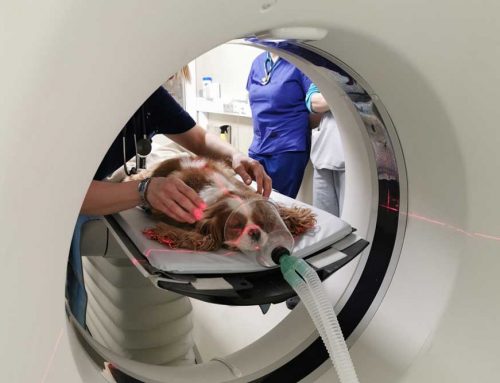
Our team’s training in emergency and critical care means we move quickly through assessment and treatment, with CT and in-house lab work to assess severity and guide decisions.
How Do I Create a Pet-Safe Home and Garden?
Practical prevention falls into three areas.
Indoors:
- Audit houseplants against the ASPCA toxic plant list.
- Keep no lilies in homes with cats.
- Keep all plants out of reach of cats (counter-surfers will reach almost anywhere).
- Avoid essential oil diffusers in homes with cats (many oils are toxic).
- Wipe vases and clean dropped petals immediately.
Outdoors:
- Audit landscaping against toxic plant lists before adding new plants.
- Remove mushrooms after rains.
- Store garden chemicals out of pet-accessible areas.
- Use pet-safe fertilizer alternatives where possible.
- Choose pet-safe plants when planning gardens.
Visitor awareness:
- Watch floral gifts and arrangements, which may contain hidden toxins.
- Mind visitors’ purses, which often contain medications, gum (xylitol), or other risks.
- Brief house guests about pet-safe and pet-unsafe items.
A seasonal walk-through every spring and fall catches most new risks before they cause problems.

Frequently Asked Questions About Toxic Plants and Pets
My cat ate a leaf from a houseplant. Should I worry?
It depends on the plant. Identify it first (the ASPCA database is helpful), then call us or poison control to determine whether the exposure rises to emergency. Lily exposures are emergencies regardless of amount; some other plants cause only mild GI upset.
My dog grabbed a mushroom on a walk. Is this an emergency?
Treat it as one. The most dangerous mushrooms have delayed symptoms; by the time your dog looks sick, significant damage may have occurred. Call us immediately for decontamination guidance, and bring any mushroom fragments you can collect.
What’s the difference between toxic to dogs and toxic to cats?
Many toxins affect both species but to different degrees. Cats are especially vulnerable to lilies (kidney failure), certain essential oils, acetaminophen, and pyrethroid insecticides because of differences in liver enzyme function. Dogs are uniquely vulnerable to grapes and raisins, macadamia nuts, and chocolate. Some toxins affect both species similarly.
When should I induce vomiting at home?
Generally do not, without veterinary guidance. Some toxins (caustics, hydrocarbons, sharp objects) cause more damage on the way back up. Some pets are not safe to vomit (those already showing neurologic signs, or brachycephalic breeds at higher aspiration risk). Call first.
Keeping Pets Safe From Toxic Plants
Protecting pets from toxic plants starts with awareness and small changes at home. The list can feel overwhelming, but most exposures are preventable with a little planning, and when accidents happen, quick action and expert veterinary care make a meaningful difference.
If you suspect your dog or cat has been exposed to a toxic plant, mushroom, or other dangerous substance, contact us immediately. We are open weekends from Friday at 5pm through Monday at 8am.
For Flagstaff-area pets needing weekend emergency care after a possible toxin exposure, we handle the full range of toxin and poison exposures. Our team is ready to help when the situation needs same-weekend care.




Leave A Comment